

Your digestive system is the foundation of your overall well-being, affecting everything from energy levels to immune function. Yet, keeping it healthy doesn’t have to be a complex task. Small changes in your daily habits can significantly improve digestion and, ultimately, your quality of life. In this blog, we’ll explore how minor tweaks in your diet, lifestyle, and habits can lead to a healthier digestive system and better overall health. Understanding the Digestive System Your digestive system is like a well-oiled machine, with several organs working together to break down food, absorb nutrients, and eliminate waste. It includes the mouth, esophagus, stomach, small intestine, large intestine, and rectum. When one part of this system is out of balance, it can cause discomfort and health issues. By understanding the basics of how your digestive system works, you’ll be better equipped to take steps that improve its function. Common Digestive Issues Many of us experience digestive discomfort from time to time. Some of the most common issues include: Indigestion: Often caused by eating too quickly or consuming irritating foods. Bloating: A result of excess gas in the stomach or intestines. Constipation: Difficulty in passing stools, often due to dehydration or a lack of fiber. Diarrhea: Loose stools that may be caused by food intolerances, infections, or poor gut health. These problems can often be managed or even prevented with simple lifestyle and dietary changes. The Role of Diet in Digestive Health What you eat has a direct impact on how well your digestive system functions. Incorporating a balanced, nutrient-rich diet is one of the most effective ways to improve digestion. Fiber-rich Foods Fiber is your digestive system’s best friend. It adds bulk to your stool, helping to regulate bowel movements and prevent constipation. Foods high in fiber include fruits, vegetables, whole grains, and legumes. Aim to consume at least 25-30 grams of fiber daily for optimal digestive health. Importance of Hydration Drinking enough water is crucial for good digestion. Water helps break down food and allows your body to absorb nutrients more efficiently. It also softens stools, making them easier to pass. Aim to drink at least 8 glasses of water a day, more if you’re physically active. Probiotics and Prebiotics Probiotics are beneficial bacteria that promote a healthy gut, while prebiotics are fibers that feed these bacteria. Foods rich in probiotics include yogurt, kefir, and sauerkraut, while prebiotics can be found in foods like bananas, onions, and garlic. Lifestyle Habits for a Healthier Gut A healthy gut requires more than just good food. Your daily habits can also significantly affect your digestive health. Regular Physical Activity Exercise is one of the best things you can do for your digestion. It helps move food through your digestive system, reducing the likelihood of constipation. Even a 30-minute walk can help stimulate digestion and keep things moving smoothly. Reducing Stress Levels Chronic stress can wreak havoc on your digestive system, leading to problems like indigestion and irritable bowel syndrome (IBS). Incorporating stress-relief techniques such as meditation, yoga, or deep-breathing exercises can help manage stress and support your digestive health. Importance of Sleep for Digestion Quality sleep is essential for overall health, including digestion. Your body uses sleep to repair itself, and this includes the digestive tract. Aim for 7-9 hours of restful sleep each night to allow your digestive system the chance to recover and function optimally. How to Eat for Better Digestion Your eating habits matter as much as what you eat. Mindful eating practices can improve digestion and help you feel more satisfied after meals. Mindful Eating Mindful eating is all about paying attention to your food—chewing slowly, savoring flavors, and eating without distractions. This allows your digestive system the time it needs to break down food properly and absorb nutrients. Portion Control Overeating can overwhelm your digestive system, leading to discomfort and bloating. Try eating smaller, more frequent meals to give your digestive system time to process food efficiently. Chewing Thoroughly Digestion begins in the mouth. Chewing food thoroughly breaks it down into smaller particles, making it easier for your stomach and intestines to process. This can reduce the risk of indigestion and improve nutrient absorption. Foods to Avoid for Optimal Digestive Health While it’s important to know what to eat, it’s equally vital to understand which foods can hinder your digestion. Processed Foods Highly processed foods are often high in unhealthy fats, salt, and sugar, which can slow digestion and lead to bloating or constipation. Limiting processed foods can help your digestive system function more efficiently. Excessive Sugar Too much sugar can feed harmful bacteria in your gut, leading to an imbalance in your digestive flora. This can result in symptoms like gas, bloating, and even diarrhea. Artificial Sweeteners Although they are calorie-free, artificial sweeteners like aspartame and sucralose can cause digestive problems in some people, such as gas and bloating. It’s best to limit these or avoid them altogether. The Importance of Regular Check-ups Even if you’re taking steps to improve your digestive health, regular check-ups with your healthcare provider are essential. Persistent digestive issues could be a sign of more serious conditions, so don’t hesitate to seek professional advice if you notice recurring problems. Conclusion Improving your digestive health doesn’t require drastic measures. Small, manageable changes—like adding more fiber to your diet, drinking more water, and getting regular exercise—can have a profound effect on your digestive system. These small changes lead to big results, helping you feel better and improve your overall well-being. Remember, a healthy digestive system is the key to a healthier life! FAQs How can stress affect digestion? Chronic stress can disrupt the digestive system, causing symptoms such as indigestion, bloating, and even irritable bowel syndrome (IBS). What are some signs of poor digestive health? Common signs include bloating, constipation, diarrhea, indigestion, and frequent heartburn. How much water should I drink for optimal digestion? A general rule is to drink at least 8 glasses of water a day. However, you may need more depending
How to Prevent and Manage Gallbladder Disease
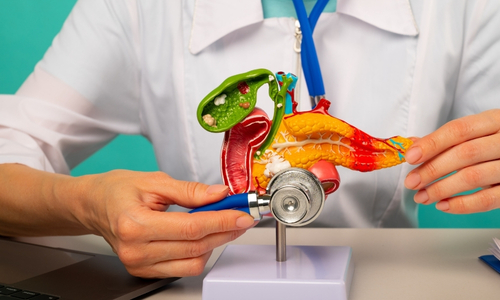
In the field of gastroenterology, the gallbladder plays an important role in digestion. The gallbladder is a small organ located beneath the liver, responsible for storing bile, a digestive fluid produced by the liver that helps break down fats. Gastroenterologists, specialists in digestive health, often deal with diseases affecting the gallbladder, as problems with this organ can lead to significant health issues. These include gallstones, inflammation, and, in severe cases, the need for surgical removal. Understanding how to prevent and manage gallbladder disease is crucial for maintaining overall digestive health, and it’s a key concern within gastroenterology. Common Types of Gallbladder Disease Gallstones (Cholelithiasis) Gallstones are the most common type of gallbladder disease. These are hard deposits, primarily made of cholesterol or bilirubin, that form in the gallbladder. They can block the bile ducts, leading to severe pain and complications. Cholecystitis (Inflammation of the Gallbladder) Cholecystitis occurs when the gallbladder becomes inflamed, often due to gallstones blocking the bile ducts. This can cause acute or chronic pain, and in severe cases, may require surgery. Gallbladder Cancer (Rare) Though rare, gallbladder cancer is a serious condition. Its symptoms often overlap with those of more common gallbladder diseases, making early detection difficult. Symptoms of Gallbladder Disease Gallbladder disease can present with a range of symptoms, which may vary depending on the type and severity of the condition. Common signs include: Abdominal pain: Often sharp and located in the upper right quadrant, especially after eating fatty meals. Nausea and vomiting: These symptoms frequently accompany the pain. Digestive issues: Bloating, indigestion, and heartburn are common in gallbladder disease sufferers. Causes and Risk Factors Diet and Lifestyle A diet high in fat and cholesterol is a primary risk factor for gallbladder disease. This can lead to the formation of gallstones and inflammation. Genetic Predisposition Family history plays a role in your likelihood of developing gallbladder problems. If close relatives have had gallbladder disease, your risk may be higher. Obesity and Metabolic Syndrome Obesity, diabetes, and metabolic syndrome are major contributors to gallbladder disease. These conditions often affect how bile is processed in the body. How Diet Affects the Gallbladder Foods to Avoid Fatty, fried, and processed foods can exacerbate gallbladder issues. Avoiding these can help reduce the risk of gallstone formation and inflammation. Foods That Promote Gallbladder Health Lean proteins, whole grains, and high-fiber foods are beneficial for the gallbladder. Fruits and vegetables rich in vitamins and antioxidants also support overall digestive health. The Role of Fiber and Hydration Fiber helps in the digestion of fats, reducing stress on the gallbladder. Hydration is equally important, as it ensures proper bile flow and prevents stone formation. Preventing Gallbladder Disease Preventing gallbladder disease often revolves around lifestyle choices. Here are some steps to take: Maintain a Healthy Weight: Obesity increases the risk of gallstones, so staying within a healthy weight range is crucial. Exercise Regularly: Physical activity helps improve bile circulation, reducing the chance of gallstone formation. Balanced Diet: A diet low in cholesterol and high in fiber can reduce the risk of gallbladder problems. Managing Gallbladder Disease Naturally Herbal Remedies and Supplements Some herbs like milk thistle, turmeric, and dandelion root may support gallbladder function. However, it’s important to consult a doctor before trying any herbal remedy. Detoxifying the Liver and Gallbladder Detoxes that focus on the liver and gallbladder can help flush out toxins and promote better digestion. Again, medical advice is essential before starting a detox regimen. Stress Management and Its Impact Chronic stress can impact digestion and gallbladder function. Incorporating relaxation techniques like yoga and meditation can improve overall health and reduce flare-ups. Medical Treatments for Gallbladder Disease Medication Options In some cases, medications can help dissolve gallstones or manage symptoms. Ursodiol is one such drug that helps break down cholesterol-based stones. Non-Surgical Procedures There are non-invasive techniques like shock wave lithotripsy, which breaks up gallstones, but these are only suitable for certain types of stones. Surgical Removal (Cholecystectomy) In severe cases, surgery may be the best option. A cholecystectomy is the removal of the gallbladder, and it’s a common procedure for those with recurrent or severe gallbladder disease. Gallbladder Surgery: What to Expect Types of Surgery Gallbladder removal can be done via traditional open surgery or laparoscopically, which is less invasive and has a quicker recovery time. Recovery Process Most people recover fully within a few weeks. After surgery, the body adapts to digesting without a gallbladder, though some dietary changes may be needed. Life After Gallbladder Removal Most people live a normal life without a gallbladder, though they may need to avoid certain fatty foods to prevent digestive discomfort. Complications of Untreated Gallbladder Disease Chronic Inflammation Ignoring gallbladder issues can lead to chronic inflammation, which can severely damage the organ over time. Infection and Sepsis Untreated gallstones can lead to infections, which, if left untreated, may spread into the bloodstream, causing life-threatening sepsis. Increased Risk of Cancer Though rare, chronic gallbladder issues can increase the risk of developing gallbladder cancer. Gallbladder Disease and Diet After Surgery Adjusting to Life Without a Gallbladder After surgery, the liver will still produce bile, but it will no longer be stored in the gallbladder. Adjustments to your diet will help your body adapt. Foods to Eat and Avoid Post-Surgery Stick to a low-fat diet after surgery to avoid discomfort. Focus on lean proteins, whole grains, and fresh fruits and vegetables. Lifestyle Changes to Support Gallbladder Health To maintain gallbladder health, even after surgery, consider these long-term changes: Long-Term Dietary Changes: Emphasize whole, unprocessed foods that are low in fat and high in fiber. Regular Health Check-ups: Regular medical check-ups ensure that any potential issues are caught early. Importance of Staying Active: Regular exercise can keep your digestive system running smoothly, reducing your risk of gallstones. The Role of Hydration in Gallbladder Health Why Water Is Crucial Proper hydration ensures the smooth flow of bile, reducing the risk of gallstone formation. How Dehydration Can Worsen Symptoms Dehydration can cause bile to become concentrated, leading to
The Role of Fiber in Gastrointestinal Health: What You Need to Know
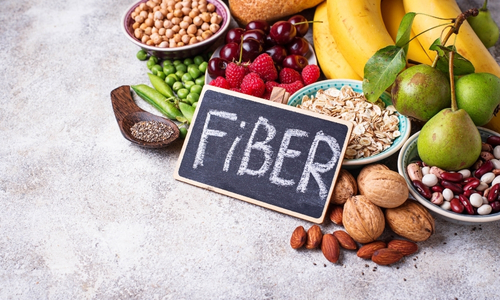
Fiber is often referred to as nature’s broom, sweeping through our digestive system to help everything run smoothly. But its role in gastrointestinal (GI) health goes far beyond just keeping us regular. From supporting our gut microbiome to preventing common digestive disorders, fiber is a vital component in maintaining optimal gastrointestinal health. But what exactly is fiber, and why is it so essential? Let’s dive into the world of fiber and explore how it influences our digestive well-being. What is Fiber? Dietary fiber is the part of plant-based foods that our bodies can’t digest or absorb. While it may sound like a negative thing, the fact that fiber passes through our system relatively intact is exactly what makes it so beneficial. Types of Fiber There are two main types of fiber: soluble and insoluble. Both play crucial roles in gastrointestinal health, but they work in slightly different ways. Soluble Fiber: This type of fiber dissolves in water to form a gel-like substance. It helps slow down digestion, which can be beneficial for blood sugar control and cholesterol levels. Common sources include oats, apples, and carrots. Insoluble Fiber: This fiber doesn’t dissolve in water and adds bulk to the stool, which helps food pass more quickly through the stomach and intestines. Foods like whole wheat, nuts, and cauliflower are rich in insoluble fiber. The Importance of Fiber for Digestive Health Fiber is essential for healthy digestion. It adds bulk to the stool, making it easier to pass and preventing constipation. Fiber also keeps the digestive system clean by promoting regular bowel movements. How Fiber Impacts the Gastrointestinal (GI) System Fiber and Gut Microbiome The gut microbiome, which consists of trillions of bacteria, plays a significant role in overall health. Fiber acts as food for the good bacteria in your gut, helping them thrive and maintain a healthy balance. A well-balanced microbiome contributes to improved digestion and reduced inflammation in the gut. Fiber and Regular Bowel Movements If you’ve ever been told to eat more fiber for better bowel movements, there’s a good reason. Fiber absorbs water, bulking up your stool, making it easier to pass, and promoting regularity. This helps prevent common digestive issues like constipation. Fiber’s Role in Preventing Constipation Constipation can cause discomfort and even lead to other health issues if not addressed. Because insoluble fiber helps to bulk up the stool, it reduces the time waste spends in your system, preventing constipation. Soluble vs Insoluble Fiber: What’s the Difference? While both types of fiber are beneficial, they serve slightly different purposes in the digestive system: Soluble Fiber slows digestion and helps absorb nutrients. It’s ideal for maintaining balanced blood sugar levels and cholesterol. Insoluble Fiber helps move food through the digestive system, preventing issues like constipation and promoting a healthy colon. Health Benefits of Fiber Beyond Digestion While fiber’s role in digestion is well-known, it offers many other health benefits. Lowering Cholesterol Soluble fiber binds to cholesterol in the digestive system, helping to eliminate it from the body. This can result in lower LDL cholesterol levels, which is beneficial for heart health. Stabilizing Blood Sugar Levels Soluble fiber slows the absorption of sugar into the bloodstream, which helps to prevent spikes in blood sugar. This is especially beneficial for individuals with diabetes or insulin resistance. Fiber and Weight Management Fiber-rich foods tend to be more filling, meaning you’re less likely to overeat. Because fiber takes longer to digest, it helps keep you feeling full longer, aiding in weight management. Foods Rich in Fiber Incorporating fiber into your diet doesn’t have to be difficult. Many common foods are excellent sources of fiber. Fruits and Vegetables Fresh fruits and vegetables are some of the best sources of both soluble and insoluble fiber. Apples, berries, and broccoli are particularly high in fiber. Whole Grains Brown rice, oats, and whole wheat bread are great ways to add insoluble fiber to your diet. Legumes and Nuts Beans, lentils, and almonds are also rich in fiber and provide a good balance of soluble and insoluble fiber. How Much Fiber Do You Need Daily? Most experts recommend that adults consume between 25 to 30 grams of fiber daily. However, the average person only eats about 15 grams per day. How to Incorporate More Fiber into Your Diet Adding more fiber to your diet can be as simple as choosing whole grains over refined grains or snacking on fresh fruits and vegetables. Start Slowly If you’re not used to eating a lot of fiber, it’s best to introduce it gradually to avoid gas or bloating. Drink Plenty of Water Fiber absorbs water, so it’s essential to stay hydrated to help fiber move through your digestive system effectively. Potential Issues of a High-Fiber Diet While fiber is beneficial, too much can lead to discomfort. Bloating, gas, and even diarrhea can occur if fiber intake is increased too quickly or without sufficient water intake. Fiber and Common GI Disorders Fiber and Irritable Bowel Syndrome (IBS) For individuals with IBS, fiber can be a double-edged sword. While it may help with bowel movements, too much insoluble fiber can aggravate symptoms like bloating and gas. Fiber and Diverticulitis A high-fiber diet is often recommended for preventing diverticulitis, a condition where small pouches form in the colon and become inflamed or infected. The Role of Fiber Supplements For those who struggle to get enough fiber through diet alone, supplements like psyllium husk can be a convenient option. However, it’s always best to aim for fiber through whole foods first. The Impact of a Low-Fiber Diet A diet low in fiber can lead to constipation, poor digestion, and even more serious gastrointestinal disorders. Over time, a lack of fiber can increase the risk of developing conditions like diverticulitis and colorectal cancer. Conclusion Fiber is a vital nutrient that plays a critical role in maintaining gastrointestinal health. Whether you’re looking to improve digestion, lower cholesterol, or manage weight, fiber should be a central part of your diet. By making small changes, like
Top Tips for Maintaining Digestive Health: A Gastroenterologist’s Guide
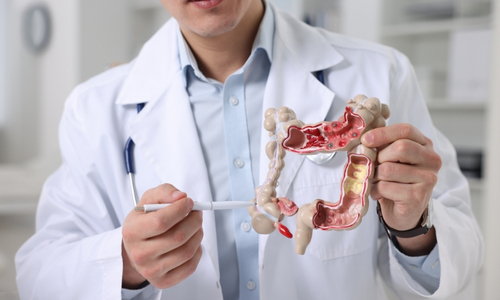
Your digestive system is more than just a place where food gets broken down; it’s essential for overall health and well-being. From nutrient absorption to energy production, a healthy gut keeps everything running smoothly. But what happens when things go wrong? That’s where a gastroenterologist steps in. In this guide, we’ll dive into expert tips for maintaining digestive health and when it’s time to seek professional help. Understanding Digestive Health What is Digestive Health? Digestive health refers to the proper functioning of your digestive system, which includes your stomach, intestines, liver, and pancreas. A healthy digestive system efficiently processes food, absorbs nutrients, and eliminates waste. Why Digestive Health Matters Poor digestive health can lead to various problems like bloating, indigestion, and even chronic conditions such as IBS or Crohn’s disease. Maintaining good digestive health ensures that your body gets the nutrients it needs and helps prevent discomfort and long-term issues. Common Digestive Problems Heartburn and Acid Reflux Heartburn and acid reflux are common complaints that occur when stomach acid moves back into the esophagus, causing discomfort and a burning sensation. Frequent acid reflux may lead to more severe issues like GERD (Gastroesophageal Reflux Disease). Irritable Bowel Syndrome (IBS) IBS is a chronic condition affecting the large intestine, causing symptoms like cramping, abdominal pain, bloating, and diarrhea or constipation. It’s often triggered by stress, certain foods, or changes in routine. Constipation and Diarrhea These two conditions are at opposite ends of the spectrum but both affect digestive health. Constipation can result from a lack of fiber or hydration, while diarrhea is often caused by infections, food intolerances, or gastrointestinal disorders. Top Tips for Digestive Health Stay Hydrated Water plays a key role in digestion by helping break down food and ensuring smooth bowel movements. Aim for at least 8 cups of water per day to keep your digestive system functioning well. Eat Fiber-Rich Foods Fiber is essential for a healthy gut. It helps to regulate bowel movements and prevent constipation. Incorporate plenty of fruits, vegetables, whole grains, and legumes into your diet to keep things moving smoothly. Practice Mindful Eating Mindful eating can help prevent overeating and improve digestion. Eating slowly and chewing your food properly allows your digestive system to process food more efficiently, reducing bloating and discomfort. The Role of Probiotics What Are Probiotics? Probiotics are beneficial bacteria that live in your gut and aid in digestion. They help maintain the balance of microorganisms in your intestines, which is essential for overall gut health. Probiotics and Gut Health Probiotic-rich foods like yogurt, kefir, sauerkraut, and kombucha can boost the levels of good bacteria in your gut, improving digestion and reducing the risk of issues like IBS. Exercise and Its Impact on Digestion How Physical Activity Affects Your Gut Regular physical activity can help keep your digestive system in shape. Exercise increases blood flow to the organs, stimulating digestion and reducing symptoms like bloating and constipation. Simple Exercises for Digestive Health Try incorporating activities like walking, yoga, or cycling into your daily routine. Even a brisk 30-minute walk can promote digestion and help prevent constipation. Stress and Digestive Health How Stress Affects the Gut Stress can have a significant impact on your digestive system, leading to issues like bloating, stomach pain, and IBS flare-ups. The gut and brain are closely linked through the “gut-brain axis,” which is why emotional stress often manifests in digestive problems. Stress Management Techniques Incorporating relaxation techniques like meditation, deep breathing, and mindfulness can help manage stress and improve gut health. Reducing stress levels may alleviate many digestive symptoms. Avoiding Harmful Habits Smoking and Digestive Issues Smoking negatively affects your digestive system by weakening the muscle that controls the lower esophagus, which can lead to acid reflux and GERD. Alcohol’s Impact on Digestion Alcohol can irritate your digestive tract and lead to problems such as acid reflux, gastritis, and even liver disease. Moderation is key when it comes to maintaining a healthy gut. When to See a Gastroenterologist Symptoms to Watch For If you’re experiencing chronic digestive symptoms like persistent bloating, pain, constipation, diarrhea, or blood in your stool, it’s time to consult a gastroenterologist. Early intervention can prevent more serious issues from developing. Preventative Screenings Routine screenings like colonoscopies are essential for detecting digestive diseases early. Speak with your gastroenterologist about when you should begin regular screenings based on your family history and risk factors. Conclusion Maintaining digestive health is about more than just avoiding discomfort—it’s key to your overall well-being. By following these tips, incorporating probiotics, staying hydrated, and managing stress, you can keep your digestive system in top shape. If you’re ever in doubt, don’t hesitate to reach out to a gastroenterologist for advice and regular check-ups. FAQs What foods should I avoid for better digestive health? You should limit foods high in fat, processed sugars, and spicy items, as they can irritate the digestive system and lead to issues like acid reflux and bloating. How does sleep affect digestion? Poor sleep can disrupt the digestive system, leading to problems like bloating, constipation, and increased acidity. Aim for 7-8 hours of quality sleep each night to keep your digestive system healthy. Can exercise really improve digestion? Yes! Regular physical activity stimulates digestion and can help prevent constipation. Even moderate exercise like walking can improve digestive health. What role does stress play in gut health? Stress can trigger or worsen digestive issues like IBS or acid reflux. Managing stress through relaxation techniques is essential for maintaining a healthy digestive system. How often should I see a gastroenterologist? If you’re experiencing persistent digestive issues or are over 50, it’s wise to schedule regular check-ups. Preventative screenings like colonoscopies are crucial for early detection of digestive diseases.
Caring for Your Gut: Simple Tips from a Gastroenterology Expert
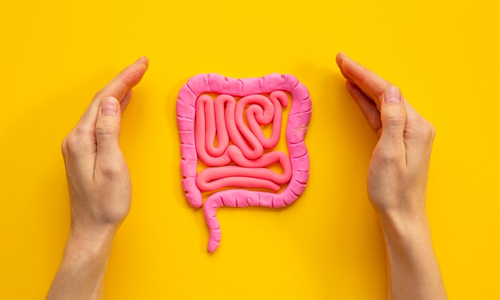
Gut health is the foundation of your overall well-being. Your digestive system isn’t just responsible for processing the food you eat; it’s also linked to your immune system, mood, and energy levels. A healthy gut means fewer illnesses, better energy, and a happier you! When it comes to caring for your gut, Gastroenterology experts are the professionals who understand the intricacies of how your digestive system works and how to keep it running smoothly. What is Gut Health? Gut health refers to the balance of microorganisms in your digestive tract, which includes your stomach, intestines, and colon. This balance is crucial because it affects how well your body absorbs nutrients, fights off infections, and even how you feel mentally. Did you know that about 70% of your immune system is housed in your gut? That’s why taking care of it is so important. Common Gut Issues Gut problems can be tricky to manage, but understanding the common issues is the first step. Here are a few common digestive disorders: IBS (Irritable Bowel Syndrome): Characterized by bloating, cramping, and changes in bowel movements. GERD (Gastroesophageal Reflux Disease): Causes acid reflux and heartburn, and can damage the esophagus over time. Leaky Gut Syndrome: A condition where the lining of the intestine becomes permeable, allowing toxins and undigested food particles into the bloodstream. How Diet Affects Gut Health You’ve probably heard the saying, “You are what you eat.” This couldn’t be truer when it comes to gut health. Processed foods, sugary snacks, and fatty meals can wreak havoc on your digestive system, leading to issues like bloating and indigestion. On the flip side, a diet rich in fiber can keep things moving smoothly. Foods That Support Gut Health To support your gut, focus on including these types of foods in your diet: Fermented Foods: Things like yogurt, kefir, sauerkraut, and kimchi are rich in probiotics, which are beneficial bacteria that help keep your gut balanced. High-Fiber Foods: Vegetables, whole grains, and legumes are excellent for your digestive health as they help to “sweep” your digestive tract clean and support bowel regularity. The Role of Probiotics and Prebiotics You’ve probably seen ads promoting probiotics, but what are they? Probiotics are live bacteria that are good for your gut, helping to maintain or restore its natural balance. Prebiotics, on the other hand, are fibers that feed the good bacteria in your gut. You can find prebiotics in foods like bananas, onions, and garlic. The Gut-Brain Connection Ever had “butterflies” in your stomach before a big event? That’s your gut and brain communicating. The gut-brain connection is real, and stress can throw off the balance in your gut, leading to digestive issues like IBS or indigestion. That’s why it’s essential to manage your stress for a healthier gut. Mindful Eating for Better Digestion Mindful eating is a practice where you focus on the act of eating itself. This means savoring each bite, chewing slowly, and paying attention to how your body feels. By practicing mindful eating, you can improve digestion and avoid overeating. Simple Lifestyle Changes to Improve Gut Health You don’t need to overhaul your entire life to see benefits in your gut health. Simple changes can make a huge difference: Exercise regularly: Physical activity helps stimulate digestion. Stay hydrated: Drinking enough water is essential for digestion. Get enough sleep: Poor sleep can negatively impact your gut, so aim for 7-8 hours per night. Signs You May Need to See a Gastroenterologist If you’re experiencing persistent digestive issues, it might be time to consult a gastroenterologist. Watch out for signs like: Chronic bloating or abdominal pain Frequent heartburn Changes in bowel movements If these symptoms persist, don’t ignore them—they could be signs of a more serious issue. Myths About Gut Health There are plenty of myths surrounding gut health. Let’s debunk a couple of the most common ones: Myth: You need to “detox” your gut regularly. Truth: Your body naturally detoxes through your liver and kidneys. Myth: All bacteria are bad for you. Truth: Your gut is full of good bacteria that help keep your digestive system running smoothly. Natural Remedies for Gut Issues If you’re looking for natural ways to soothe your gut, here are a few options: Herbal Teas: Peppermint and ginger teas are known to aid digestion and ease nausea. Ginger: This root has natural anti-inflammatory properties and can help with bloating and gas. How Gastroenterologists Can Help Gastroenterologists specialize in diagnosing and treating digestive issues. If you’ve been dealing with persistent gut problems, they can run tests such as endoscopies or colonoscopies to get a closer look at what’s going on and provide tailored treatments. Long-Term Benefits of a Healthy Gut Maintaining a healthy gut does more than just keep you regular. A well-functioning digestive system supports your immune system, helps with weight management, and even boosts your mood and mental well-being. Conclusion Caring for your gut doesn’t have to be complicated. By making small changes to your diet and lifestyle—like eating more fiber, reducing stress, and staying hydrated—you can improve your digestive health and overall well-being. If you ever feel unsure about what’s going on with your gut, don’t hesitate to consult a gastroenterologist for expert advice. FAQs What are the signs of poor gut health? Common signs include bloating, gas, diarrhea, constipation, and stomach pain. Can stress really affect my gut? Yes, stress can cause or worsen digestive issues like IBS and indigestion. What foods should I avoid for better gut health? Limit processed foods, sugary snacks, and fried foods for optimal gut health. How can probiotics help improve digestion? Probiotics introduce beneficial bacteria into your gut, helping to balance the microbiome and improve digestion. When should I see a gastroenterologist? If you experience persistent digestive problems, like chronic bloating or changes in bowel movements, it’s time to see a specialist.
How to Recognize and Treat Common Digestive Disorders
Digestive health is crucial for overall well-being, but many of us only think about it when something goes awry. Gastroenterology, the branch of medicine that focuses on the digestive system and its disorders, plays a key role in diagnosing and treating issues related to digestive health. Common digestive disorders can be uncomfortable and disruptive, but knowing how to identify and address them can make a significant difference in your quality of life. In this blog, we’ll explore common digestive disorders, their symptoms, and effective treatments to help you manage your digestive health. Understanding Digestive Disorders What is Digestive Health? Digestive health involves the efficient functioning of the digestive system, which includes organs such as the mouth, esophagus, stomach, intestines, liver, pancreas, and gallbladder. This system breaks down food, absorbs nutrients, and eliminates waste. When these organs are not working correctly, it can lead to various digestive disorders. How the Digestive System Works The digestive system processes food in several stages: breaking it down in the mouth, moving it through the esophagus to the stomach, where it is mixed with digestive juices, and then passing it into the intestines for nutrient absorption. Any disruption in this process can cause digestive issues. Common Digestive Disorders Gastroesophageal Reflux Disease (GERD) Symptoms: GERD is characterized by symptoms such as heartburn, regurgitation of acid into the throat, chest pain, and difficulty swallowing. You may also experience a chronic cough or sore throat. Causes: GERD is usually caused by a weak lower esophageal sphincter (LES), which allows stomach acid to back up into the esophagus. Diagnosis: To diagnose GERD, doctors may use endoscopy, pH monitoring, or esophageal manometry to assess the function of the esophagus. Treatment: Lifestyle changes, such as avoiding spicy or acidic foods, eating smaller meals, and not lying down after eating, can help. Medications like antacids, H2 blockers, or proton pump inhibitors are often prescribed. In severe cases, surgical options may be considered. Irritable Bowel Syndrome (IBS) Symptoms: IBS can cause a range of symptoms including abdominal pain, bloating, gas, and changes in bowel habits such as diarrhea, constipation, or alternating between both. Causes: The exact cause of IBS is unclear, but it may be related to stress, diet, or infections. It is often a diagnosis of exclusion. Diagnosis: IBS is typically diagnosed based on symptoms and by ruling out other conditions. Tests may include stool tests, blood tests, or a colonoscopy. Treatment: Management of IBS often includes dietary adjustments (like a low FODMAP diet), stress reduction techniques, and medications to manage symptoms. Peptic Ulcer Disease Symptoms: Peptic ulcers cause a burning sensation in the stomach, bloating, and nausea. In severe cases, ulcers can cause bleeding or perforation, leading to more serious symptoms like vomiting blood or passing black stools. Causes: The primary causes of peptic ulcers are infection with Helicobacter pylori and the long-term use of nonsteroidal anti-inflammatory drugs (NSAIDs). Excessive alcohol consumption and smoking can also contribute. Diagnosis: Diagnosis involves endoscopy to view the ulcer directly and tests for H. pylori infection. Treatment: Treatment typically includes antibiotics to eradicate H. pylori, acid-reducing medications, and lifestyle changes like avoiding NSAIDs, alcohol, and spicy foods. Celiac Disease Symptoms: Celiac disease causes symptoms such as chronic diarrhea, weight loss, abdominal pain, and fatigue. Some people may also experience skin rashes or joint pain. Causes: It is an autoimmune condition where ingestion of gluten triggers an immune response that damages the lining of the small intestine. Diagnosis: Diagnosis is made through blood tests for specific antibodies and a biopsy of the small intestine. Treatment: The primary treatment is a strict, lifelong gluten-free diet, which helps heal the intestinal lining and alleviate symptoms. Inflammatory Bowel Disease (IBD) Crohn’s Disease Symptoms: Crohn’s disease can affect any part of the digestive tract, causing symptoms such as abdominal pain, diarrhea, weight loss, and fatigue. Symptoms can vary depending on the affected area. Causes: The cause of Crohn’s disease is not fully understood, but it involves an abnormal immune response that attacks the digestive tract. Diagnosis: Diagnosis involves colonoscopy, imaging studies, and blood tests to confirm the presence and extent of inflammation. Treatment: Treatment options include anti-inflammatory medications, immunosuppressants, and sometimes surgery to remove affected sections of the digestive tract. Ulcerative Colitis Symptoms: Ulcerative colitis specifically affects the colon, leading to symptoms like persistent diarrhea, abdominal cramping, and rectal bleeding. Causes: Similar to Crohn’s, ulcerative colitis involves an autoimmune response, but it is confined to the colon and rectum. Diagnosis: Diagnosis is made through colonoscopy, biopsies, and imaging studies to assess the extent of inflammation and damage. Treatment: Treatment usually includes anti-inflammatory drugs, immunosuppressants, and sometimes surgery to remove the colon. When to See a Doctor Warning Signs If you experience persistent symptoms such as severe abdominal pain, significant changes in bowel habits, unexplained weight loss, or blood in your stool, it is essential to seek medical attention. These could be signs of a more serious condition. Importance of Early Diagnosis Early diagnosis can help manage and treat digestive disorders more effectively, preventing complications and improving your overall quality of life. Lifestyle and Dietary Changes Diet Recommendations Adopting a balanced diet rich in fiber and low in fat can support digestive health. Keeping a food diary can help identify personal triggers and tailor your diet accordingly. Lifestyle Modifications Incorporate regular physical activity, stay hydrated, and manage stress through techniques like yoga or meditation to support digestive health. Alternative and Complementary Therapies Herbal Remedies Herbs like peppermint, ginger, and chamomile may offer relief for some digestive issues. However, always consult with a healthcare provider before starting any new herbal treatments. Acupuncture and Acupressure These therapies might provide relief for certain digestive disorders by targeting specific points to balance the body’s energy and reduce symptoms. Conclusion Recognizing and treating common digestive disorders involves understanding your symptoms, seeking professional medical advice, and making necessary lifestyle and dietary changes. By being proactive and informed, you can manage these conditions effectively and maintain good digestive health.
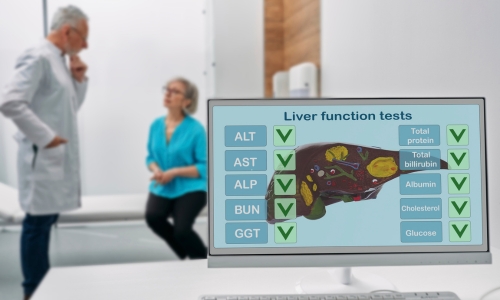
Understanding Liver Function and Liver Health: Insights from the Best Hepatologist
The liver is a vital organ that plays a crucial role in maintaining overall health and well-being. As one of the largest and most complex organs in the human body, it performs numerous functions essential for life. In this comprehensive guide, we delve into the intricacies of liver function and liver health, offering insights from the best hepatologist to help you understand how to maintain optimal liver function. The Role of the Liver in the Body Detoxification and Metabolism One of the primary functions of the liver is detoxification. It processes and removes toxins from the bloodstream, including drugs, alcohol, and metabolic waste products. The liver’s ability to metabolize these substances is vital for preventing toxic accumulation in the body. Additionally, the liver plays a key role in metabolism, converting nutrients from food into energy and storing glucose for later use. Synthesis of Important Proteins The liver is responsible for synthesizing several critical proteins, including albumin, which helps maintain blood volume and pressure, and clotting factors, essential for proper blood coagulation. These proteins are crucial for various bodily functions, including fluid balance and wound healing. Bile Production and Digestion The liver produces bile, a digestive fluid that helps break down fats in the small intestine. Bile production is essential for the absorption of fat-soluble vitamins (A, D, E, and K) and overall digestive health. Without adequate bile production, nutrient absorption can be compromised. Common Liver Conditions and Diseases Hepatitis Hepatitis is an inflammation of the liver, often caused by viral infections. There are several types of hepatitis, including hepatitis A, B, and C, each with distinct causes and treatment options. Hepatitis can lead to chronic liver disease if left untreated, making early diagnosis and management crucial. Fatty Liver Disease Fatty liver disease occurs when excess fat accumulates in the liver cells. This condition can be categorized into non-alcoholic fatty liver disease (NAFLD) and alcoholic liver disease. NAFLD is often associated with obesity and metabolic syndrome, while alcoholic liver disease results from excessive alcohol consumption. Cirrhosis Cirrhosis is a progressive liver disease characterized by the scarring of liver tissue. This condition can result from chronic hepatitis, alcohol abuse, or other liver disorders. Cirrhosis impairs liver function and can lead to complications such as liver failure or liver cancer. Liver Cancer Liver cancer or hepatocellular carcinoma is a serious condition that can develop in individuals with chronic liver disease or cirrhosis. Early detection and treatment are critical for improving outcomes and managing the disease effectively. Maintaining Optimal Liver Health Healthy Diet and Nutrition A balanced diet is essential for maintaining liver health. Eating a variety of fruits, vegetables, whole grains, and lean proteins supports liver function and overall well-being. Limiting saturated fats, refined sugars, and processed foods helps reduce the risk of fatty liver disease and other liver-related conditions. Regular Exercise Engaging in regular physical activity is beneficial for liver health. Exercise helps maintain a healthy weight, improves insulin sensitivity, and reduces the risk of developing liver disease. Aim for at least 150 minutes of moderate aerobic activity per week to support liver function and overall health. Avoiding Excessive Alcohol Consumption Excessive alcohol consumption is a significant risk factor for liver disease. To protect liver health, it is crucial to limit alcohol intake or abstain entirely. If you choose to drink, adhere to recommended guidelines for alcohol consumption to minimize the risk of liver damage. Regular Medical Check-ups Routine medical check-ups and liver function tests are essential for monitoring liver health. Early detection of liver issues can lead to timely intervention and treatment, preventing the progression of liver disease. Consult with the best hepatologist for personalized advice and screenings based on your health history and risk factors. Seeking Expert Care from the Best Hepatologist For individuals experiencing liver-related symptoms or those at high risk for liver disease, consulting with a highly qualified hepatologist is crucial. The best hepatologist can provide expert diagnosis, treatment, and management for various liver conditions. Their expertise ensures that patients receive the most effective care tailored to their specific needs. Conclusion Understanding liver function and maintaining liver health are essential for overall well-being. By adopting a healthy lifestyle, seeking regular medical care, and consulting with the best hepatologist, individuals can support optimal liver function and reduce the risk of liver disease. Prioritizing liver health contributes to a healthier and more vibrant life.
The common signs and symptoms of fatty liver disease
Liver disease is a frequent disorder caused by the accumulation of excess fat in liver cells. It can result from heavy alcohol consumption, but it can also occur in persons who drink relatively little alcohol. The illness may not display signs or symptoms in the early stages; nevertheless, if left untreated, it can lead to serious liver consequences. Continue reading to learn about the condition’s basic symptoms, how it is diagnosed and treated, and how Dr. Harikumar R Nair, the best gastroenterologist in Kochi may help. Are there any common indicators of fatty liver disease? Fatty liver disease is typically classified into two types: nonalcoholic fatty liver disease (NAFLD) and alcoholic fatty liver disease. Recognizing the early indicators of fatty liver disease is critical for effective treatment and care. Symptoms may include: Tiredness, weakness Unintentional weight loss Swelling of the liver Pain in the upper right abdomen Increased enzymes in the liver If you have experienced one or more of the symptoms listed above, or if you have any other concerns about your liver’s health, we recommend that you arrange an appointment with the best gastroenterologist in Kochi, Kerala. How is fatty liver disease diagnosed? Fatty liver disease may be diagnosed based on your medical history, a physical examination, and specific tests. Dr. Harikumar Nair may begin by discussing your symptoms and lifestyle, then conduct a physical examination to look for liver enlargement. A blood test allows us to assess liver function and enzymes, revealing anomalies that may indicate fatty liver disease. Ultrasounds, CT scans, and MRIs are common imaging tests that allow the doctor to examine the liver in depth and spot fat deposits. In some situations, a liver biopsy may be used to confirm your diagnosis. Early and correct identification of fatty liver disease is critical for determining appropriate care and treatment options. What therapy options are available for this disease? Our treatment for fatty liver disease typically focuses on addressing the associated problems and lifestyle factors that contribute to this disease. This may include one or more of the tactics outlined below: Regular check-ups: Frequent check-ups allow us to monitor the progression of your disease and adjust the treatment plan as needed. Medications: Certain medications may be administered to assist manage the diseases that cause this disease, such as diabetes or excessive cholesterol. Lifestyle changes may include avoiding alcoholic beverages, eating a more nutritional diet, exercising regularly, and decreasing weight (if necessary). A liver transplant may be recommended in severe cases of fatty liver disease, such as when significant liver damage has occurred. How does this diagnosis affect one’s lifespan? A range of factors, such as the kind of fatty liver disease and when it was detected, can have an impact on life expectancy with this condition. If you do not receive correct treatment, it could lead to a more serious liver problem, such as cirrhosis or cancer. However, with the right care, many people can successfully manage their illness and live a normal life expectancy. Access treatment for fatty liver disease with Dr. Harikumar Nair If you are suffering the signs and symptoms of fatty liver disease, please seek medical attention immediately. Dr. Harikumar Nair one of the best gastroenterology specialists in Kochi will help you with comprehensive fatty liver disease treatments. We use a patient-centered approach to help you manage fatty liver disease and improve the health of your liver. Take the first step toward greater wellness. To schedule an appointment, contact +91 7736 007 326.

Top Tips for Maintaining a Healthy Digestive System
Maintaining a healthy digestive system is essential for overall well-being, as it plays a crucial role in breaking down food, absorbing nutrients, and eliminating waste. A well-functioning digestive system can prevent discomfort and reduce the risk of various gastrointestinal disorders. Here are some top tips to help you keep your digestive system healthy: 1. Eat a Balanced Diet A balanced diet rich in fiber, lean proteins, and healthy fats supports digestive health. Incorporate plenty of fruits, vegetables, whole grains, and legumes to ensure adequate fiber intake. Fiber helps regulate bowel movements, prevent constipation, and maintain a healthy gut microbiome. 2. Stay Hydrated Drinking enough water is crucial for digestion. Water helps break down food, dissolve nutrients, and facilitate their absorption into the bloodstream. It also softens stools, making them easier to pass and preventing constipation. Aim for at least eight glasses of water a day, and adjust your intake based on activity level and climate. 3. Chew Your Food Thoroughly Chewing food thoroughly is an often-overlooked aspect of good digestion. Properly chewing food breaks it down into smaller particles, making it easier for the digestive enzymes to work. This practice also slows down your eating, allowing your brain to signal when you’re full, which can help prevent overeating. 4. Manage Stress Chronic stress can negatively impact your digestive system, leading to issues like indigestion, constipation, or diarrhea. Incorporate stress-reducing activities such as yoga, meditation, or deep-breathing exercises into your routine. Adequate sleep and regular physical activity also play a role in managing stress and promoting digestive health. 5. Exercise Regularly Regular physical activity aids digestion by stimulating intestinal contractions, helping food move through the digestive tract more efficiently. Exercise can also help maintain a healthy weight, reducing the risk of digestive disorders such as gastroesophageal reflux disease (GERD). Aim for at least 30 minutes of moderate exercise most days of the week. 6. Avoid Overeating Eating large meals can overwhelm your digestive system, leading to discomfort and sluggish digestion. Instead, try eating smaller, more frequent meals throughout the day. This approach helps maintain steady energy levels and reduces the burden on your digestive system. 7. Limit Processed Foods and Sugar Processed foods and high sugar intake can disrupt the balance of your gut microbiome, leading to digestive issues. These foods often contain unhealthy fats and additives that can cause inflammation. Opt for whole, unprocessed foods whenever possible to support a healthy gut environment. 8. Be Mindful of Food Intolerances Food intolerances can lead to digestive discomfort, bloating, and other gastrointestinal symptoms. Pay attention to how your body reacts to certain foods, and consider eliminating potential triggers like dairy or gluten if you suspect an intolerance. Consulting with a healthcare professional can help you identify and manage food intolerances effectively. 9. Incorporate Probiotics Probiotics are beneficial bacteria that support a healthy gut microbiome. They can be found in fermented foods like yogurt, kefir, sauerkraut, and kimchi, or taken as supplements. Including probiotics in your diet can improve digestion, boost immunity, and reduce the risk of certain digestive disorders. 10. Don’t Ignore Digestive Symptoms If you experience persistent digestive symptoms like bloating, pain, or changes in bowel habits, consult a healthcare professional. Early intervention can prevent minor issues from developing into more serious conditions and help you maintain a healthy digestive system. By incorporating these tips into your daily routine, you can support your digestive health and enhance your overall quality of life. Remember, small changes can make a significant difference in how your digestive system functions.
The Role of Endoscopy in Modern Gastroenterology
Endoscopy has revolutionized the field of gastroenterology, providing a minimally invasive way to diagnose, treat, and monitor a wide range of gastrointestinal (GI) conditions. This article explores the various types of endoscopic procedures, their applications, and the advancements that have made endoscopy a cornerstone of modern gastroenterology. What is Endoscopy? Endoscopy involves the use of a flexible tube equipped with a light and camera (an endoscope) to visualize the interior of the GI tract. This procedure allows gastroenterologists to examine the esophagus, stomach, intestines, and other parts of the digestive system without the need for major surgery. Types of Endoscopic Procedures Upper Endoscopy (Esophagogastroduodenoscopy, EGD): Purpose: To examine the esophagus, stomach, and duodenum. Uses: Diagnosing conditions like gastroesophageal reflux disease (GERD), ulcers, celiac disease, and cancers. It is also used to treat bleeding, remove foreign objects, and perform biopsies. Colonoscopy: Purpose: To examine the colon and rectum. Uses: Screening for colorectal cancer, diagnosing inflammatory bowel disease (IBD) such as Crohn’s disease and ulcerative colitis, and removing polyps. Sigmoidoscopy: Purpose: To examine the rectum and the lower part of the colon (sigmoid colon). Uses: Similar to colonoscopy but limited to the lower part of the colon, often used for screening and diagnosis of lower GI tract issues. Endoscopic Ultrasound (EUS): Purpose: Combines endoscopy and ultrasound to obtain detailed images of the digestive tract and surrounding tissues. Uses: Diagnosing and staging cancers, evaluating pancreatic and bile duct diseases, and guiding fine-needle aspiration biopsies. Endoscopic Retrograde Cholangiopancreatography (ERCP): Purpose: To examine and treat conditions of the bile ducts and pancreas. Uses: Removing bile duct stones, diagnosing and treating biliary and pancreatic duct obstructions, and placing stents. Capsule Endoscopy: Purpose: Involves swallowing a small capsule with a camera to capture images of the small intestine. Uses: Diagnosing small bowel diseases, including obscure GI bleeding and Crohn’s disease. Enteroscopy: Purpose: To examine the small intestine. Uses: Diagnosing and treating small bowel diseases, performing biopsies, and removing polyps. Applications and Benefits Diagnosis: Early Detection: Endoscopy allows for early detection of cancers, polyps, and other GI conditions, significantly improving treatment outcomes. Accurate Visualization: Provides a direct view of the GI tract, enabling accurate diagnosis of structural abnormalities, inflammation, and lesions. Treatment: Minimally Invasive Procedures: Endoscopic techniques can treat conditions like bleeding ulcers, polyps, and strictures without the need for open surgery. Targeted Therapy: Allows for precise delivery of treatments such as stents, dilation of narrowed areas, and localized medication administration. Monitoring: Surveillance: Essential for monitoring chronic conditions like Barrett’s esophagus, IBD, and post-surgical follow-ups. Biopsy and Histology: Enables repeated biopsies to monitor disease progression or response to treatment. Patient Comfort and Recovery: Reduced Recovery Time: Minimally invasive nature leads to faster recovery and less post-procedural pain compared to traditional surgery. Outpatient Procedures: Many endoscopic procedures are performed on an outpatient basis, reducing hospital stays. Advancements in Endoscopy High-Definition Imaging: Modern endoscopes provide high-definition images, improving the detection and characterization of GI lesions. Narrow Band Imaging (NBI): Enhances visualization of mucosal structures and vascular patterns, aiding in the detection of precancerous and cancerous changes. Therapeutic Innovations: Techniques such as endoscopic mucosal resection (EMR) and endoscopic submucosal dissection (ESD) allow for the removal of early-stage cancers and large polyps without surgery. Robotic and AI Integration: Robotic-assisted endoscopy and artificial intelligence (AI) are enhancing precision, efficiency, and diagnostic accuracy in endoscopic procedures. Conclusion Endoscopy has become an indispensable tool in modern gastroenterology, offering unparalleled diagnostic and therapeutic capabilities. Its minimally invasive nature, combined with technological advancements, has significantly improved patient outcomes and the management of GI diseases. For individuals experiencing gastrointestinal symptoms or needing routine screenings, endoscopy provides a safe, effective, and often life-saving option for maintaining digestive health.