
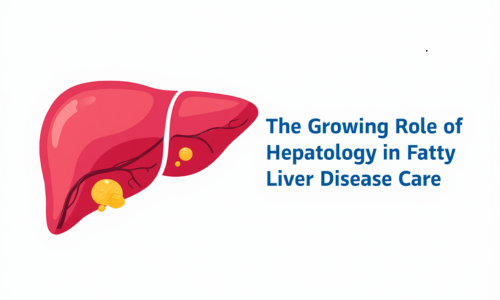
Fatty liver disease is becoming one of the most common liver conditions worldwide, largely due to lifestyle changes and rising obesity rates. This condition can progress silently without obvious symptoms, making early detection and management critical. Here’s where hepatology, the branch of medicine dedicated to liver health, plays a vital role. Hepatologists are not only diagnosing fatty liver disease earlier but also guiding patients with treatment strategies, lifestyle advice, and advanced medical care to prevent complications. Understanding Fatty Liver Disease Fatty liver disease occurs when excess fat builds up in liver cells. There are two main types: Alcoholic Fatty Liver Disease (AFLD): Linked to heavy alcohol consumption. Non-Alcoholic Fatty Liver Disease (NAFLD): Often associated with obesity, diabetes, and high cholesterol. If left unmanaged, fatty liver can progress to inflammation (steatohepatitis), fibrosis, cirrhosis, and even liver cancer. Why Hepatology Matters in Fatty Liver Care Hepatology bridges the gap between early detection and long-term management. A hepatologist provides: Accurate Diagnosis → through blood tests, imaging, and sometimes liver biopsy. Risk Assessment → identifying patients at higher risk of progression. Personalized Treatment → lifestyle guidance, medications, or interventional therapies. Long-Term Monitoring → ensuring the disease doesn’t silently advance. The Role of Hepatologists in Patient Care 1. Early Detection and Screening Fatty liver disease is often silent. Hepatologists use advanced imaging and non-invasive tests to catch it before damage becomes irreversible. 2. Lifestyle and Nutritional Guidance Dietary changes, weight management, and exercise are essential. Hepatologists work closely with nutritionists to create sustainable plans. 3. Managing Associated Conditions Patients with fatty liver often also face diabetes, high blood pressure, or heart disease. Hepatology integrates care for overall health improvement. 4. Preventing Progression With regular monitoring and tailored interventions, hepatologists help prevent fatty liver from progressing into cirrhosis or liver cancer. 5. Advanced Treatment Options For severe cases, hepatology provides access to advanced therapies, clinical trials, and when necessary, prepares patients for liver transplant evaluation. Lifestyle Choices Guided by Hepatology Balanced Diet: Focus on whole foods, vegetables, lean proteins, and reduced sugar. Regular Exercise: 30 minutes of moderate activity daily supports liver function. Avoid Excess Alcohol: Even mild intake can worsen fatty liver. Medication Review: Some drugs impact liver health—hepatologists advise safe alternatives. Future of Hepatology in Fatty Liver Disease The field of hepatology is rapidly evolving. With advancements in non-invasive diagnostics, targeted therapies, and personalized medicine, the outlook for fatty liver disease patients is improving. Early integration of hepatology care is set to redefine how we prevent and manage this widespread condition. FAQs Q1: Can fatty liver disease be reversed?👉 Yes, in many cases, especially if detected early and managed with proper lifestyle changes guided by a hepatologist. Q2: When should I see a hepatologist for fatty liver?👉 If you have risk factors like obesity, diabetes, high cholesterol, or unexplained liver enzyme changes, it’s wise to consult a specialist. Q3: Do all patients with fatty liver need medication?👉 Not always. Many can manage the condition through diet, exercise, and weight loss. Medication may be required in advanced cases. Q4: How does hepatology differ from general medicine in liver care?👉 Hepatology focuses exclusively on liver health, offering specialized tests, treatments, and long-term management strategies. Q5: Can fatty liver disease lead to liver transplant?👉 Yes, if it progresses to advanced cirrhosis or liver failure. This is why early hepatology intervention is critical. Conclusion Fatty liver disease is a growing global health concern, but with timely care, it doesn’t have to lead to severe complications. Through early detection, lifestyle guidance, and advanced treatment options, hepatology is becoming the cornerstone of effective fatty liver disease care. Consulting a hepatology specialist ensures that patients receive expert support from diagnosis to long-term management, protecting liver health for the future.
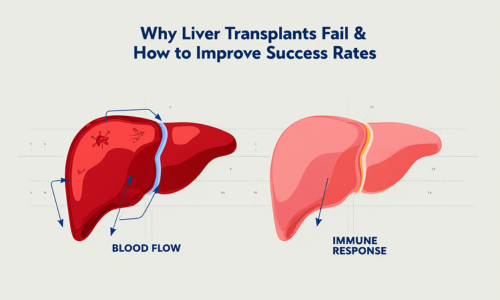
Why Liver Transplants Fail & How to Improve Success Rates
Liver transplants are life-saving procedures for patients with severe liver disease, but they are complex and carry significant risks. Understanding why liver transplants fail and taking preventive steps can greatly improve outcomes. This guide explores the main causes of transplant failure, strategies to minimize risks, and post-operative care recommendations for better long-term success. 1. Common Reasons Liver Transplants Fail a) Organ Rejection One of the most frequent causes of transplant failure is organ rejection, where the body’s immune system attacks the new liver. Prevention: Lifelong immunosuppressive therapy, regular blood tests, and strict adherence to prescribed medication schedules. b) Surgical Complications Problems during or after surgery, such as excessive bleeding, bile duct issues, or vascular complications, can impact the success of the transplant. Prevention: Choosing an experienced surgical team and high-volume transplant centers significantly reduces these risks. c) Pre-existing Medical Conditions Chronic illnesses such as diabetes, heart disease, or kidney problems increase the likelihood of complications after surgery. Prevention: Comprehensive pre-transplant evaluation and proper management of existing medical conditions. d) Post-Transplant Infections Patients are more vulnerable to infections due to immunosuppressive medications. Prevention: Strict hygiene, recommended vaccinations, and early treatment of infections are essential. e) Non-Adherence to Medication & Care Guidelines Skipping medications, ignoring dietary restrictions, or neglecting follow-up appointments can jeopardize transplant outcomes. Prevention: Patient education, counseling, and structured support for medication adherence and lifestyle management. 2. Factors That Influence Transplant Success a) Donor and Recipient Match Compatibility in blood type, liver size, and tissue type is crucial. Proper matching improves graft survival and reduces the risk of rejection. b) Age and Overall Health Younger, healthier patients often experience better outcomes, while older or frail patients may face higher risks. c) Timing of the Transplant Delays in receiving a transplant can worsen liver function and reduce chances of success. Early evaluation and listing increase survival rates. 3. Post-Transplant Care to Improve Outcomes Proper care after surgery is critical to prevent complications and maintain liver function. Medication Compliance: Strict adherence to immunosuppressants prevents rejection. Regular Follow-ups: Routine lab tests and imaging detect complications early. Healthy Lifestyle: Balanced nutrition, avoiding alcohol, and moderate exercise support recovery. Monitoring for Complications: Prompt recognition and treatment of infections, bile duct problems, or graft dysfunction is vital. 4. Accessibility and Support Considerations High-Quality Care Centers: Hospitals with high transplant volumes and experienced teams generally report better outcomes. Remote Follow-ups: Telemedicine can help patients in distant locations maintain post-transplant care. Support Networks: Engaging with patient groups or caregiver networks improves adherence and emotional well-being. 5. Lifestyle & Long-Term Strategies Nutrition: High-protein, nutrient-rich diets support liver health. Exercise: Light to moderate activity helps maintain overall fitness. Mental Health: Counseling or support groups reduce stress and improve adherence to care plans. Patient Education: Understanding risks, warning signs, and medication schedules increases transplant survival. Conclusion Liver transplants are complex procedures, but understanding the causes of failure and following preventive strategies can significantly improve success rates. From pre-transplant evaluations to long-term lifestyle management, every step matters. With proper medical care, adherence to medication, and structured support, patients can achieve the best possible outcomes and enjoy an improved quality of life. Frequently Asked Questions (FAQ) 1. What are the main reasons liver transplants fail? Liver transplants can fail due to organ rejection, surgical complications, pre-existing medical conditions, post-transplant infections, and non-adherence to medication or lifestyle guidelines. 2. How can I prevent liver transplant failure? Preventive measures include taking immunosuppressive medications as prescribed, attending regular follow-ups, choosing an experienced transplant center, maintaining a healthy lifestyle, and promptly addressing infections or complications. 3. How important is post-transplant care? Post-transplant care is critical. Regular check-ups, lab tests, proper diet, medication compliance, and monitoring for complications significantly improve transplant success rates. 4. Does age affect liver transplant success? Yes. Younger, healthier patients generally have better outcomes. However, careful pre-transplant evaluation and management of health conditions can improve success in older patients as well. 5. Can infections cause a liver transplant to fail? Yes. Immunosuppressive medications increase susceptibility to infections, which can jeopardize liver function. Maintaining hygiene, vaccinations, and early treatment of infections are essential. 6. How do donor-recipient compatibility factors influence success? Compatibility in blood type, liver size, and tissue type reduces the risk of organ rejection and improves graft survival. Proper matching is a key factor in transplant success. 7. Can lifestyle changes improve long-term transplant outcomes? Absolutely. Balanced nutrition, moderate exercise, avoiding alcohol, managing stress, and adhering to medications all contribute to long-term transplant success.
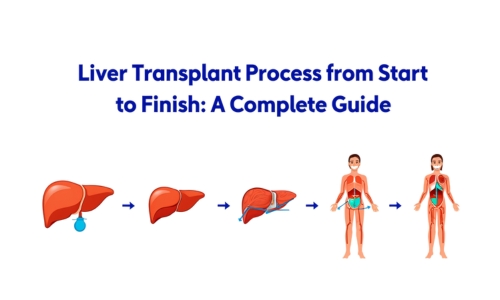
Liver Transplant Process from Start to Finish: A Complete Guide
The liver transplant process is a complex medical journey that involves more than just the surgery itself. From early diagnosis and preparation to the transplant procedure and post-operative recovery, every stage plays a crucial role in ensuring success. This guide will help you understand each step and provide essential tips for long-term wellness. 1. Understanding When a Liver Transplant Is Needed The liver is essential for filtering toxins, aiding digestion, and supporting many body functions. When it becomes severely damaged or fails, a transplant may be the only treatment option. Common causes that may lead to a liver transplant include: Chronic liver disease Acute liver failure Hepatitis-related damage Certain inherited or metabolic disorders Recognizing these conditions early increases the chances of a successful transplant. 2. Pre-Transplant Evaluation Before being placed on a transplant list, patients go through a thorough assessment to ensure surgery is safe and appropriate. This may involve: Detailed blood tests to evaluate liver health and donor compatibility Imaging scans such as MRI or CT for structural assessment Heart and lung function testing to ensure surgical readiness Nutritional and mental health evaluations to support recovery These steps help determine the right timing and prepare both patient and medical team for the procedure. 3. Choosing a Skilled Medical Team The success of a transplant depends heavily on the expertise of the team performing it. This team often includes: Specialists in liver diseases Transplant surgeons Anesthesiologists Intensive care and recovery nurses Nutritionists and rehabilitation experts This collaborative approach ensures every stage of care is handled with precision. 4. The Surgical Procedure Liver transplants usually take between 6 and 12 hours. Key steps include: Administering anesthesia and preparing the patient Removing the damaged liver Placing the donor liver (from a living or deceased donor) Connecting blood vessels and bile ducts Closing the incision and moving the patient to intensive care The procedure requires advanced skill, strict infection control, and careful monitoring. 5. Recovery After Surgery Initial recovery often begins in the intensive care unit, followed by a hospital stay. Typical steps include: Continuous monitoring of liver function Medication to prevent rejection Gradual reintroduction of movement and exercise Dietary adjustments to support healing Patients continue to receive regular follow-up care to ensure the new liver is functioning well. 6. Long-Term Health After a Transplant Living well after a transplant means maintaining healthy habits: Eating a balanced diet Staying active with safe exercise Avoiding alcohol and harmful substances Attending all follow-up appointments Consistent care can help ensure the transplanted liver works effectively for many years. 7. Support and Resources for Patients Transplant recipients benefit from: Peer support groups Counseling services Educational resources on medication and lifestyle adjustments Having a strong support system makes a significant difference in recovery and long-term wellbeing. Conclusion The liver transplant process is a life-changing medical journey that goes far beyond surgery. From recognizing the need to preparing for the operation, navigating the procedure, and committing to long-term recovery, each stage plays a critical role in achieving the best outcome. With the guidance of an experienced medical team and dedication to post-surgery care, patients can enjoy renewed health and a brighter future. Frequently Asked Questions How long can a person live after a liver transplant?Many live for decades when they follow medical advice and maintain a healthy lifestyle. Is a living donor liver transplant safe?Yes, when performed in an experienced center, it’s considered safe for both donor and recipient. How long will I need to wait for a liver transplant?Waiting time depends on urgency, organ availability, and compatibility. What foods should I avoid after a transplant?Avoid raw seafood, undercooked meat, unpasteurized dairy, and high-sodium processed foods.

Reduce Bloating and Indigestion with Proven Gut Health Strategies
If you often feel bloated, gassy, or uncomfortable after eating, your gut may be trying to tell you something. Bloating and indigestion are common signs of poor gut function—but the good news is that simple gut health strategies can help you feel better naturally. These proven, natural methods can improve your digestion, reduce discomfort, and support your overall well-being—without relying on medication. What Causes Bloating and Indigestion? Understanding the root causes helps you treat the problem effectively, not just the symptoms. Common culprits include: Poor eating habits (eating too quickly or too much) Lack of dietary fiber Processed or greasy foods Dysbiosis (an imbalance in gut bacteria) Food intolerances (like dairy or gluten) Stress and anxiety Dehydration Lack of physical activity These triggers can slow down your digestive process, cause fermentation in the gut, and create gas buildup—leading to bloating and indigestion. 8 Proven Gut Health Strategies to Reduce Bloating 1. Increase Fiber Intake Gradually Fiber supports healthy bowel movements and feeds good gut bacteria. Aim for 25–30g of fiber per day from sources like: Oats Lentils Apples Chia seeds Leafy greens ➡️ Tip: Increase fiber slowly and drink plenty of water to avoid temporary gas or discomfort. 2. Incorporate Probiotic-Rich Foods Probiotics are live bacteria that support a healthy gut microbiome. Natural sources include: Yogurt (with live cultures) Kefir Kimchi Sauerkraut Miso Kombucha They can reduce inflammation and improve digestion by restoring gut balance. 3. Chew Your Food Thoroughly Digestion starts in the mouth. Chewing properly reduces the load on your stomach and enhances nutrient absorption. ➡️ Try this: Count to 20 before swallowing each bite. It helps slow down your eating and minimizes bloating. 4. Stay Hydrated All Day Water aids digestion by helping break down food and prevent constipation. Aim for: 8+ glasses of water per day Herbal teas like ginger or peppermint (which also soothe the gut) 5. Limit Processed and High-Fat Foods Highly processed foods are often low in fiber and high in sugar and fats that disrupt digestion. Reduce intake of: Fried snacks Sugary drinks Packaged meals Red meat in excess Replace them with real, whole foods like vegetables, fruits, legumes, and lean protein. 6. Practice Mindful Eating Stress affects gut health. Try eating in a calm environment and avoid distractions like phones or TV while eating. Practicing gratitude or deep breathing before meals can reduce indigestion and promote better digestion. 7. Exercise Regularly Even a 20-minute walk after meals can help food move more efficiently through the digestive tract. Movement also reduces bloating and supports overall gut health. 8. Identify and Avoid Trigger Foods Common trigger foods include: Dairy (lactose intolerance) Gluten (for some individuals) Beans and legumes (for gas-prone people) Artificial sweeteners (like sorbitol) Keep a food diary to track what causes your symptoms and eliminate or reduce those items. When to Seek Medical Help If bloating or indigestion becomes frequent, painful, or is accompanied by other symptoms (like weight loss, vomiting, or fatigue), it’s important to see a doctor. Conditions like IBS, GERD, SIBO, or food intolerances may require targeted treatment. Conclusion Small daily changes can have a big impact on your gut. These gut health strategies are simple, science-backed, and easy to integrate into your routine. Whether you’re fighting occasional bloating or working toward long-term digestive wellness, these steps will help you feel lighter, healthier, and more energized—naturally.
Liver Transplant: Procedure, Eligibility, Recovery, and Risks Explained
A liver transplant is one of the most complex yet life-saving medical procedures available today. It is often the final option for individuals with end-stage liver disease or acute liver failure when other treatments have failed. This comprehensive guide explores every stage of the liver transplant process — from initial evaluation and eligibility criteria to surgical procedure, post-transplant recovery, and long-term care — all guided by the expertise of a liver transplant physician. What Is a Liver Transplant? A liver transplant is a surgical procedure in which a diseased or failing liver is replaced with a healthy liver from a donor. The liver is a vital organ responsible for detoxification, protein synthesis, bile production, and metabolic regulation. When it fails, the consequences can be life-threatening. There are two main types of liver transplants: Deceased donor liver transplant: The liver is sourced from a person who has been declared brain-dead. Living donor liver transplant: A portion of the liver is taken from a healthy, living person. Both the donor’s and recipient’s livers regenerate over time. Eligibility Criteria for Liver Transplant Not everyone with liver disease qualifies for a transplant. A liver transplant physician performs a comprehensive evaluation to determine whether a patient is a suitable candidate. The evaluation typically involves: Medical Criteria: End-stage liver disease (cirrhosis, liver failure) Acute liver failure due to infection, toxins, or overdose Liver cancers that meet transplant criteria (e.g., hepatocellular carcinoma) Genetic liver disorders (e.g., Wilson’s disease, hemochromatosis) Autoimmune hepatitis Assessment Tools: MELD Score (Model for End-stage Liver Disease): Predicts the urgency of need based on lab values. Child-Pugh Score: Evaluates liver function and predicts survival. Non-Medical Factors: Absence of active alcohol or substance abuse Psychosocial readiness (support system, mental health) No significant heart, lung, or uncontrolled infections Evaluation Process Before Transplant Before being listed for a liver transplant, patients undergo a rigorous pre-transplant evaluation, including: Blood tests (liver function, kidney function, viral screening) Imaging studies (ultrasound, CT, MRI) Cardiopulmonary assessment (to rule out surgical risks) Psychological and nutritional evaluation Assessment by a multidisciplinary transplant team The goal is to ensure the patient is fit for surgery and capable of managing the post-transplant regimen. Liver Transplant Procedure: Step-by-Step 1. Preoperative Preparation: Once a donor liver becomes available or a living donor is identified, the patient is prepared for surgery. This includes fasting, anesthesia assessment, and pre-surgical clearance. 2. Surgery: The surgical procedure can take between 6 to 12 hours. The diseased liver is removed, and the donor liver is implanted and connected to the blood vessels and bile ducts. The new liver should begin functioning immediately. 3. Postoperative ICU Care: After surgery, the patient is transferred to the intensive care unit (ICU) for close monitoring. Key focuses include: Monitoring for bleeding Preventing infection Ensuring liver function and bile production Starting immunosuppressive therapy Living Donor vs Deceased Donor Liver Transplant Aspect Living Donor Deceased Donor Organ Source Healthy living individual Brain-dead individual Wait Time Shorter (scheduled) Variable (based on availability) Donor Risk Yes (surgical risks) No risk (organ already donated) Regeneration Yes, liver regrows in both N/A Outcomes Comparable or slightly better Good outcomes with timely care A liver transplant physician helps assess whether a living donor transplant is appropriate, considering medical and ethical factors. Recovery After Liver Transplant Recovery from a liver transplant is gradual and involves both physical healing and lifestyle adjustment. Immediate Postoperative Period (First 1–2 weeks): Hospital stay typically lasts 10–14 days Intensive care for the first few days Monitoring for signs of organ rejection or infection Starting immunosuppressive medications First 3 Months: Frequent blood tests to monitor liver function and medication levels Adjustment of immunosuppressants Avoiding infection through hygiene and limited social exposure Nutritional guidance and moderate physical activity Long-Term Recovery (3 months onward): Lifelong immunosuppressant use Annual screenings and check-ups Alcohol and tobacco must be avoided permanently Healthy lifestyle with balanced diet and weight control Immunosuppressive Therapy To prevent the immune system from rejecting the new liver, patients must take immunosuppressant medications for life. These drugs reduce immune activity but also increase susceptibility to infections. Common medications include: Tacrolimus Cyclosporine Prednisone Mycophenolate mofetil Regular monitoring is essential to maintain balance between rejection prevention and avoiding side effects like kidney damage, diabetes, or hypertension. Common Risks and Complications Although liver transplants offer excellent outcomes, complications can occur: Early Complications: Bleeding Bile duct leakage or blockage Primary non-function of the new liver Acute rejection Long-Term Complications: Chronic rejection Opportunistic infections Side effects from immunosuppressants Recurrence of liver disease Patients should report signs such as fever, jaundice, fatigue, or abdominal pain to their transplant physician immediately. Cost of Liver Transplant The cost of a liver transplant varies based on the hospital, facilities, and individual case complexity. It generally includes: Pre-transplant evaluation and testing Surgery and hospitalization Immunosuppressive medications Post-transplant follow-up and rehabilitation In many regions, financial aid programs, government schemes, and insurance can help cover expenses. It is important to discuss cost structure with the transplant coordinator beforehand. Role of a Liver Transplant Physician A liver transplant physician is involved throughout the transplant journey — from initial consultation and evaluation to long-term follow-up. Their role includes: Assessing eligibility and coordinating the transplant workup Managing medical conditions related to liver disease Monitoring and managing immunosuppression Detecting early signs of complications Guiding patients on long-term care, diet, and medications A strong patient-physician relationship is critical to achieving the best possible outcomes. Frequently Asked Questions How long is the recovery after liver transplant? Initial recovery takes 2–3 months. Full return to normal activities may take 6–12 months, depending on the individual. Can the liver regenerate after donation? Yes, the liver can regenerate. Both the donor and recipient can regrow functional liver tissue within a few months. Is rejection common after transplant? Rejection is possible but usually manageable with proper immunosuppressive therapy and regular monitoring. Can I live a normal life after liver transplant? Yes. Most recipients return to normal or near-normal life with medical support, healthy habits, and regular follow-ups. Conclusion A liver transplant offers a

Gut Health Secrets for a Stronger Immune System
A healthy gut is the foundation of a strong immune system. Research shows that nearly 70% of the immune system is housed in the gut, making gut health a critical factor in overall wellness. Understanding the connection between the gut and immunity can help prevent illnesses, improve digestion, and boost overall health. In this article, we’ll explore gut health secrets that can strengthen your immune system, with expert insights from a gastroenterologist. The Gut-Immune System Connection The gut is home to trillions of bacteria, collectively known as the gut microbiome. These microbes play a crucial role in immune function by: Regulating immune responses Protecting against harmful pathogens Reducing inflammation Supporting nutrient absorption When the gut microbiome is imbalanced, it can lead to digestive disorders, increased susceptibility to infections, and chronic inflammation, which weakens the immune system. Consulting a gastroenterologist can help assess gut health and recommend dietary and lifestyle changes to optimize immunity. Essential Secrets to Improve Gut Health 1. Consume Probiotic-Rich Foods Probiotics are beneficial bacteria that help maintain a balanced gut microbiome. Including probiotic-rich foods in your diet can improve digestion and enhance immune function. Best Sources of Probiotics: Yogurt with live cultures Kefir Kimchi Sauerkraut Miso A gastroenterologist often recommends probiotics for individuals with digestive issues such as irritable bowel syndrome (IBS) or inflammatory bowel disease (IBD). 2. Increase Fiber Intake Dietary fiber feeds beneficial gut bacteria, promoting microbial diversity and gut integrity. A fiber-rich diet supports bowel regularity and reduces inflammation. Best Sources of Fiber: Whole grains (oats, quinoa, brown rice) Legumes (lentils, chickpeas, black beans) Fruits (apples, bananas, berries) Vegetables (broccoli, spinach, carrots) Nuts and seeds (chia seeds, flaxseeds, almonds) 3. Limit Processed Foods and Sugars Processed foods and excess sugar can disrupt gut bacteria, leading to inflammation and reduced immune function. Avoiding artificial sweeteners and refined carbohydrates can help maintain a healthy gut microbiome. 4. Stay Hydrated Water is essential for digestion and nutrient absorption. Proper hydration supports mucus production in the gut lining, which protects against harmful bacteria and toxins. 5. Manage Stress Levels Chronic stress negatively impacts gut bacteria and weakens the immune system. Practices like meditation, deep breathing exercises, and adequate sleep can improve gut health. 6. Regular Exercise Physical activity promotes healthy gut bacteria and reduces inflammation. Moderate exercise, such as walking, yoga, or strength training, can enhance gut function and immunity. The Role of a Gastroenterologist in Gut Health If you experience persistent digestive issues, consulting a gastroenterologist can provide personalized recommendations. A gastroenterologist can diagnose conditions like: Irritable Bowel Syndrome (IBS) Gastroesophageal Reflux Disease (GERD) Small Intestinal Bacterial Overgrowth (SIBO) Leaky Gut Syndrome Routine check-ups with a gastroenterologist can help optimize gut health and strengthen the immune system. Conclusion A healthy gut is vital for a robust immune system. By incorporating probiotic foods, increasing fiber intake, reducing processed foods, staying hydrated, managing stress, and exercising regularly, you can enhance gut health and immunity. If you experience persistent digestive problems, consulting a gastroenterologist can provide expert guidance tailored to your needs. Prioritizing gut health today can lead to a healthier, stronger immune system in the long run.
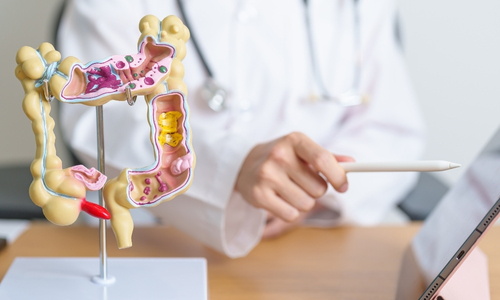
Finding the Right Gastroenterologist in Kochi for Comprehensive Care
When it comes to digestive health, finding the right gastroenterologist can make all the difference. From diagnosing common issues like acid reflux to managing chronic conditions, gastroenterologists specialize in keeping your digestive system functioning smoothly. But how do you go about finding the best gastroenterologist in Kochi? This guide will walk you through everything you need to know, from qualifications and specialties to accessibility and personalized care. What is a Gastroenterologist? A gastroenterologist is a medical doctor trained to diagnose and treat disorders of the gastrointestinal (GI) tract, which includes the stomach, intestines, pancreas, liver, and gallbladder. They specialize in managing both acute and chronic digestive issues, such as ulcers, inflammatory bowel disease (IBD), and liver conditions. Why You May Need a Gastroenterologist Common symptoms like stomach pain, bloating, or persistent heartburn can often signal more complex digestive issues. While general practitioners can handle many conditions, a gastroenterologist brings specialized expertise for diagnosis and long-term care, especially for chronic conditions like Crohn’s disease, ulcerative colitis, and liver diseases. Gastroenterology Services in Kochi Kochi is home to many high-quality healthcare centers that offer specialized gastroenterology services. From routine screenings to complex procedures, Kochi’s healthcare sector provides patients access to advanced technology and skilled specialists who are dedicated to providing comprehensive digestive care. Choosing the Right Gastroenterologist Selecting a gastroenterologist goes beyond searching for nearby clinics. Look for a combination of experience, expertise, and a compassionate approach. Consider checking the doctor’s qualifications, certifications, and years of practice. Ideally, choose someone with a solid reputation in the community, as this can be an indicator of quality care. Experience Matters An experienced gastroenterologist will likely have handled a range of cases, from straightforward to complex. Experience often brings refined diagnostic skills and a deeper understanding of treatment responses, making it easier for the doctor to tailor treatments effectively. Specializations Within Gastroenterology Gastroenterology covers many subspecialties. For example, hepatologists focus on liver diseases, while proctologists manage lower GI tract issues. If you’re dealing with a specific condition, such as liver disease or colon-related issues, finding a gastroenterologist with expertise in that area can be beneficial. Understanding Credentials and Certifications Credentials like board certification are essential markers of a gastroenterologist’s expertise. Certifications from reputed boards or associations indicate that the doctor has met stringent standards. Such qualifications ensure that you’re in capable hands. Facilities and Technology Advanced diagnostic tools like endoscopes and imaging machines allow gastroenterologists to examine the GI tract more accurately. Choosing a clinic with the latest technology can lead to quicker, more accurate diagnoses and effective treatments. Reputation and Patient Reviews Online reviews and testimonials from former patients can give you a glimpse into the quality of care you can expect. Look for comments on patient-doctor communication, treatment effectiveness, and overall satisfaction. These insights can help you narrow down your options. Location and Accessibility Convenience matters when dealing with ongoing care. Choose a gastroenterologist within a reasonable distance from your home or work, especially if you require regular visits. Accessibility can play a significant role in ensuring consistent follow-up and smooth care management. Personalized Care and Communication A good gastroenterologist listens and takes time to understand your unique health needs. Personalized care, combined with transparent communication, can enhance treatment outcomes. Seek a gastroenterologist who prioritizes a tailored approach and answers your questions thoroughly. Common Gastrointestinal Procedures Gastroenterologists perform a variety of procedures to diagnose and treat GI issues. Common ones include: Endoscopy – For examining the upper digestive tract Colonoscopy – Used to examine the lower digestive tract ERCP – For diagnosing and treating liver and pancreatic issues These procedures allow gastroenterologists to diagnose conditions more accurately and develop an effective treatment plan. Costs and Insurance Coverage The cost of gastroenterology services can vary, depending on the complexity of the issue and the type of treatment required. Before committing, inquire about treatment costs and check if the clinic accepts your health insurance. Some facilities offer affordable packages or flexible payment plans, which can be helpful if you’re managing long-term care. Conclusion Choosing the right gastroenterologist in Kochi is about finding a balance between experience, expertise, accessibility, and compassionate care. By taking the time to research your options, you can ensure that your digestive health is in capable hands. Comprehensive care doesn’t just treat the symptoms; it focuses on maintaining overall wellness, giving you peace of mind. FAQs What should I look for when choosing a gastroenterologist? Look for factors like experience, certifications, patient reviews, and communication style to ensure you receive quality care. How often should I visit a gastroenterologist? This depends on your health needs. Regular check-ups are recommended if you have a chronic digestive condition; otherwise, as needed. Is gastroenterology treatment expensive? Costs vary based on the complexity of treatment and clinic facilities. Insurance can help cover part of the expenses, so it’s worth checking with your provider. What procedures can a gastroenterologist perform? Gastroenterologists perform endoscopies, colonoscopies, biopsies, and other diagnostic procedures to identify GI conditions accurately. Can I visit a gastroenterologist without a referral? While some clinics require referrals, many allow direct appointments. It’s best to check with your chosen clinic regarding their policy.
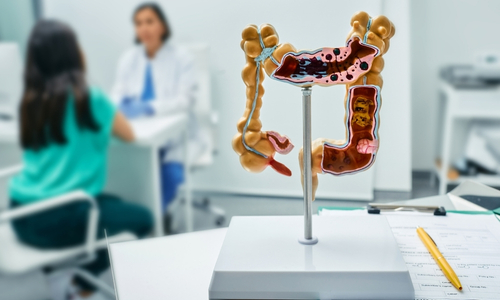
When to Consult a Gastroenterology Specialist for Digestive Issues
Digestive health is often an overlooked aspect of our overall well-being, yet it plays a crucial role in our quality of life. Many of us experience occasional digestive discomfort, but how do you know when it’s time to see a Gastroenterologist? In this blog, we’ll explore the signs that indicate a need for specialized care and what to expect when consulting a gastroenterology specialist. Understanding Digestive Health Our digestive system is responsible for breaking down food, absorbing nutrients, and eliminating waste. It includes the mouth, esophagus, stomach, intestines, liver, pancreas, and gallbladder. Problems in any of these areas can lead to discomfort, pain, and a range of health issues. Common Digestive Issues Before we dive into when to see a specialist, let’s briefly review some common digestive issues that many people face: Heartburn and Acid Reflux: Often experienced after meals, these conditions can cause a burning sensation in the chest and throat. Irritable Bowel Syndrome (IBS): Characterized by abdominal pain and changes in bowel habits, IBS affects many individuals but is often manageable with lifestyle changes. Inflammatory Bowel Disease (IBD): This term encompasses chronic conditions like Crohn’s disease and ulcerative colitis, which require ongoing management. Constipation or Diarrhea: Both can be symptoms of underlying issues that need to be addressed. When to Seek Help from a Gastroenterologist Recognizing when to consult a Gastroenterologist is key to maintaining good digestive health. Here are several signs that indicate it’s time to make that appointment: 1. Persistent Digestive Discomfort If you experience ongoing digestive pain, bloating, or discomfort that lasts for more than a few days, it’s a good idea to seek medical advice. Persistent symptoms can indicate a more serious condition that requires evaluation. 2. Significant Changes in Bowel Habits Noticing significant changes in your bowel habits—such as prolonged constipation or diarrhea—can be a sign of a digestive issue. If these changes persist or are accompanied by other symptoms, consult a specialist. 3. Unexplained Weight Loss Losing weight without trying can be concerning. If you’re shedding pounds without changing your diet or exercise routine, it’s essential to consult a gastroenterologist to rule out any underlying issues. 4. Difficulty Swallowing Experiencing pain or difficulty when swallowing (dysphagia) can be a sign of esophageal disorders. If this occurs frequently, seek medical attention. 5. Chronic Heartburn Frequent heartburn or acid reflux that disrupts your daily life may be indicative of gastroesophageal reflux disease (GERD). If you’re relying on over-the-counter medications regularly, it’s time to consult a specialist. 6. Family History of Digestive Disorders If digestive diseases run in your family, you may be at a higher risk. Discuss your family history with your doctor, especially if you have concerning symptoms. 7. Unusual Symptoms Certain symptoms, such as blood in your stool or vomit, jaundice (yellowing of the skin), or severe abdominal pain, require immediate medical attention. These can signal serious conditions that need urgent care. The Role of Your Primary Care Physician If you’re unsure whether you need to see a Gastroenterologist, start with your primary care physician. They can assess your symptoms and provide referrals to specialists if necessary. Your family doctor can also help manage less severe digestive issues or provide guidance on lifestyle changes. Preparing for Your Appointment Once you’ve decided to see a gastroenterologist, it’s helpful to prepare for your appointment: Keep a Symptom Diary: Note any symptoms, their frequency, and any triggers you’ve noticed. This information will help your doctor understand your condition better. List Medications and Supplements: Bring a list of all medications and supplements you’re taking, including over-the-counter products. Be Ready to Discuss Family History: Share any relevant family history of digestive issues, as this can provide valuable context for your doctor. Conclusion Don’t ignore your digestive health! Understanding when to consult a gastroenterology specialist can lead to better health outcomes and a more comfortable life. If you’re experiencing any concerning symptoms, don’t hesitate to reach out for professional help. Early diagnosis and treatment are key to addressing digestive issues effectively. FAQs 1. What is a gastroenterologist? A gastroenterologist is a specialist who focuses on diagnosing and treating disorders of the digestive system. 2. What are common tests a gastroenterologist may perform? Common tests include endoscopy, colonoscopy, and imaging tests to evaluate the digestive tract. 3. How often should I see a gastroenterologist? This depends on your specific health needs. If you have chronic digestive issues, regular visits may be necessary. 4. Are digestive issues common? Yes, many people experience digestive issues at some point in their lives. However, persistent symptoms should not be ignored. 5. Can I manage digestive issues with lifestyle changes? In many cases, dietary modifications and lifestyle changes can help manage digestive issues. Your gastroenterologist can provide personalized recommendations.

Diet and Gastroenterology: Foods That Promote a Healthy Gut
Gut health is a hot topic these days, and for a good reason! The gut, often referred to as our “second brain,” plays a crucial role in our overall well-being and is a focal point in Gastroenterology. It affects everything from digestion and immunity to mental health. The foods we eat significantly impact our gut health, making it essential to focus on a diet that promotes a healthy digestive system. So, let’s dive into the delicious world of gut-friendly foods and how they can transform your health! Understanding the Gut Anatomy of the Digestive System Before we get into the nitty-gritty of food, it’s important to understand what we’re dealing with. The digestive system consists of several organs, including the stomach, intestines, liver, and pancreas. Together, they work to break down food, absorb nutrients, and eliminate waste. It’s a complex system that requires a fine balance of bacteria, enzymes, and digestive juices. The Gut Microbiome Speaking of balance, let’s talk about the gut microbiome. This is a community of trillions of bacteria living in your intestines, playing a pivotal role in digestion and overall health. A diverse microbiome is a healthy microbiome, and what you eat can shape its composition. So, what can we eat to support our gut buddies? Key Nutrients for Gut Health Fiber First up, fiber! This nutrient is like a broom for your digestive system, sweeping through your intestines and keeping things moving smoothly. Foods rich in fiber help prevent constipation, support the growth of beneficial gut bacteria, and reduce the risk of digestive disorders. Probiotics Probiotics are live bacteria that are good for your gut. They help maintain a healthy balance of gut flora. You can find probiotics in fermented foods like yogurt, kefir, and sauerkraut. Adding these to your diet can boost your gut health and improve digestion. Prebiotics Now, let’s not forget about prebiotics! These are types of fiber that feed your good gut bacteria. Foods high in prebiotics include garlic, onions, bananas, and asparagus. They’re essential for nourishing your probiotics and keeping your gut ecosystem thriving. Healthy Fats Healthy fats, especially omega-3 fatty acids, are anti-inflammatory and beneficial for gut health. Foods like fatty fish (think salmon), chia seeds, and walnuts are great choices that support overall digestive function. Foods to Embrace for a Healthy Gut Whole Grains Whole grains are a powerhouse of fiber and nutrients. They help keep your gut bacteria happy and your digestion on track. Foods like brown rice, quinoa, and oats are excellent sources of whole grains. They not only support gut health but also provide sustained energy throughout the day. Benefits of Whole Grains Whole grains are known for their ability to promote regular bowel movements and lower the risk of digestive disorders. Plus, they’re versatile! You can add them to salads, soups, or enjoy them as a side dish. Fruits and Vegetables When it comes to gut health, fruits and veggies are your best friends. They’re packed with vitamins, minerals, and fiber. Specific Fruits and Their Benefits Berries: Blueberries, strawberries, and raspberries are high in antioxidants and fiber, promoting gut health. Apples: They contain pectin, a type of soluble fiber that can enhance gut bacteria. Bananas: Great for their prebiotic content, bananas help nourish good gut bacteria. Best Vegetables for Gut Health Leafy Greens: Spinach, kale, and Swiss chard are excellent choices, rich in nutrients and fiber. Cruciferous Vegetables: Broccoli and Brussels sprouts can boost gut health due to their high fiber content. Fermented Foods Fermented foods are a treasure trove for your gut! They undergo a process that makes them rich in probiotics. Importance of Fermentation Fermentation not only preserves food but also enhances its nutritional value. This process creates beneficial bacteria that aid digestion and boost the immune system. Examples of Fermented Foods Yogurt: A classic source of probiotics. Kefir: A fermented milk drink that’s even richer in probiotics than yogurt. Sauerkraut: Fermented cabbage that adds crunch and flavor to meals. Lean Proteins Proteins are essential for repairing tissues and supporting gut health. Opt for lean protein sources like chicken, turkey, fish, and legumes. They help maintain the integrity of the gut lining and provide essential nutrients for overall health. Healthy Fats Incorporating healthy fats into your diet is vital. Omega-3 fatty acids found in fish, nuts, and seeds reduce inflammation and support gut health. They help keep the gut lining strong, preventing issues like leaky gut. Foods to Avoid for Gut Health Just as there are foods that promote gut health, there are those that can harm it. Here’s a quick list of foods to minimize or avoid altogether: Processed Foods These are often low in nutrients and high in additives, which can disrupt the balance of gut bacteria. Think of them as fast food for the gut — quick and easy, but not the best for your health. Sugary Foods Sugar can promote the growth of harmful bacteria and yeast in the gut, leading to imbalances. It’s best to satisfy your sweet tooth with natural sources like fruit rather than processed sweets. High-Fat Foods Trans fats and saturated fats can lead to inflammation and negatively impact gut health. Opt for healthier fat sources instead. Dairy Products While some people digest dairy without issues, others may find it bothersome. If you notice discomfort after consuming dairy, consider limiting it or opting for lactose-free alternatives. Lifestyle Factors Affecting Gut Health Besides diet, several lifestyle factors can influence gut health. Here are a few to keep in mind: Hydration Staying hydrated is crucial for digestion. Water helps dissolve nutrients and fiber, making them easier to absorb. Aim for at least 8 cups of water a day! Stress Management Chronic stress can wreak havoc on your gut. Practices like meditation, yoga, or simply taking time for yourself can greatly improve gut health. Regular Exercise Physical activity promotes healthy digestion and helps maintain a healthy weight. Aim for at least 150 minutes of moderate exercise each week. Conclusion Incorporating gut-friendly foods into your diet can
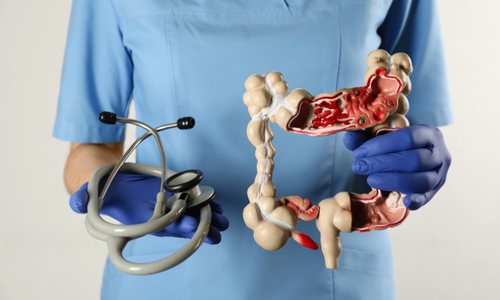
How Stress Impacts Your Digestive Health: Tips for Reducing the Effects
In our fast-paced world, stress is as common as the air we breathe. Whether it’s the pressure of work deadlines, family responsibilities, or financial worries, stress can feel like an unwelcome guest in our lives. But did you know that this seemingly normal part of life can wreak havoc on your digestive health? That’s right! The connection between stress and digestion is stronger than you might think, and it’s a significant focus in gastroenterology. In this article, we’ll dive deep into how stress impacts your gut and share practical tips to help you reclaim your digestive health. Understanding Stress Definition of Stress Stress is our body’s natural response to challenges and demands. When we encounter a stressful situation, our body reacts with a “fight or flight” response, preparing us to deal with perceived threats. While this response can be helpful in certain situations, prolonged stress can lead to a host of health problems. Types of Stress Acute Stress Acute stress is short-term and is often caused by specific events, like a presentation at work or a disagreement with a friend. It’s the kind of stress that usually dissipates quickly once the situation is resolved. Chronic Stress Chronic stress, on the other hand, lingers over a long period and can stem from ongoing issues such as a difficult job or persistent financial struggles. This type of stress can be particularly damaging to your health, including your digestive system. Common Sources of Stress Work Deadlines, demanding bosses, and the need to perform well can create a pressure cooker environment that leads to chronic stress. Relationships Whether it’s family dynamics or friendship troubles, interpersonal relationships can be a significant source of stress that affects your emotional and physical health. Financial Issues Worries about money, bills, and economic stability can cause ongoing stress that impacts various aspects of life, including digestion. The Gut-Brain Connection How Stress Affects the Gut The gut and brain are closely linked, often referred to as the gut-brain axis. Stress can disrupt this connection, leading to a cascade of digestive issues. When you’re stressed, your body prioritizes survival over digestion, causing slow or irregular digestive processes. Role of the Nervous System Sympathetic vs. Parasympathetic Responses The sympathetic nervous system kicks in during stress, initiating the fight-or-flight response. This diverts blood away from the digestive system, leading to reduced digestive function. In contrast, the parasympathetic nervous system promotes “rest and digest” activities, which can be impaired when you’re stressed. Hormonal Changes Stress triggers the release of hormones like cortisol, which can alter your metabolism and impact your gut health. Elevated cortisol levels can lead to inflammation and digestive disturbances. Common Digestive Issues Linked to Stress Irritable Bowel Syndrome (IBS) IBS is one of the most common digestive disorders linked to stress. Symptoms include cramping, bloating, diarrhea, and constipation. Stress can exacerbate these symptoms, creating a vicious cycle. Gastroesophageal Reflux Disease (GERD) Stress can worsen GERD symptoms by increasing stomach acid production and relaxing the lower esophageal sphincter. This can lead to uncomfortable heartburn and acid reflux. Ulcers Chronic stress may contribute to the development of ulcers in the stomach lining. The combination of increased acid production and reduced blood flow to the stomach can create a perfect storm for ulcer formation. Changes in Appetite Stress often leads to changes in eating habits. Some people may overeat or choose unhealthy comfort foods, while others may lose their appetite entirely. Both scenarios can lead to digestive issues. Tips for Managing Stress for Better Digestive Health Mindfulness and Meditation Practicing mindfulness and meditation can help calm your mind and reduce stress levels. Even just a few minutes of focused breathing can significantly impact your overall well-being and gut health. Regular Exercise Exercise is a natural stress reliever. Physical activity releases endorphins, which improve mood and can enhance digestive function. Aim for at least 30 minutes of moderate exercise most days. Balanced Diet Foods to Eat Incorporate fiber-rich foods like fruits, vegetables, and whole grains into your diet. These foods support gut health and can alleviate stress-related digestive issues. Foods to Avoid Limit caffeine, alcohol, and spicy foods, as these can exacerbate digestive discomfort during stressful times. Adequate Sleep Quality sleep is crucial for managing stress. Aim for 7-9 hours of sleep each night to allow your body to recover and maintain optimal digestive health. Seeking Professional Help If stress is overwhelming or leading to significant digestive issues, consider seeking help from a mental health professional or a dietitian. They can provide strategies tailored to your needs. Conclusion Understanding the intricate relationship between stress and digestive health is essential for anyone looking to improve their well-being. By recognizing the sources of stress and implementing strategies to manage it, you can alleviate its impact on your digestive system. Remember, taking small steps toward reducing stress can lead to significant improvements in your overall health. FAQs What are the immediate effects of stress on digestion? Immediate effects of stress on digestion may include stomach cramps, bloating, and changes in bowel habits. The body prioritizes survival, often shutting down digestive processes temporarily. Can reducing stress improve my digestive health? Absolutely! Managing stress through lifestyle changes, therapy, or mindfulness practices can significantly improve digestive health and alleviate symptoms. How long does it take to see improvements in digestion after reducing stress? The timeline for improvement varies by individual. Many people notice changes within a few weeks of implementing stress-reduction strategies. Are there specific foods that help reduce stress? Foods rich in omega-3 fatty acids (like salmon), antioxidants (like berries), and magnesium (like leafy greens) can help reduce stress and improve mood. When should I seek help for stress-related digestive issues? If you experience persistent digestive issues or find that stress is significantly impacting your daily life, it’s a good idea to seek help from a healthcare professional.