
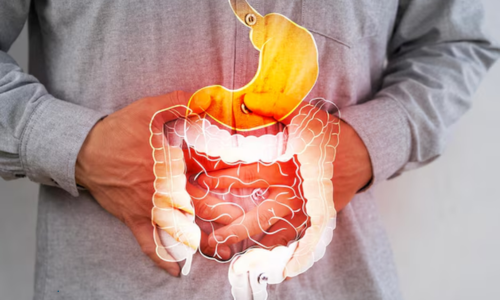
Gastrointestinal (GI) diseases are among the most common health issues affecting millions worldwide. The digestive system, which includes the esophagus, stomach, intestines, liver, pancreas, and gallbladder, is vital for breaking down food, absorbing nutrients, and removing waste. When this system is disrupted, it can lead to serious health complications. Understanding common gastrointestinal diseases, their symptoms, causes, and treatment options is essential for early detection, effective management, and improved quality of life. This guide covers a wide range of GI disorders, explains why they occur, how they are diagnosed, and the treatment strategies available. Whether you are experiencing mild digestive discomfort or are at risk for chronic conditions, this comprehensive article will help you make informed decisions about your digestive health. What Are Gastrointestinal Diseases? Gastrointestinal diseases are conditions that affect the digestive system, interfering with its ability to function normally. They may involve: Structural abnormalities like ulcers, polyps, or tumors Functional disorders such as irritable bowel syndrome Inflammatory conditions like Crohn’s disease or ulcerative colitis Metabolic or systemic issues affecting the liver or pancreas These diseases can lead to discomfort, impaired digestion, nutritional deficiencies, and, in severe cases, life-threatening complications. Early identification and intervention are crucial to prevent long-term damage. Common Gastrointestinal Diseases Below is a detailed look at the most common GI diseases, their causes, symptoms, and treatment options. 1. Gastroesophageal Reflux Disease (GERD) Symptoms: Frequent heartburn or burning sensation in the chest Acid regurgitation into the throat or mouth Difficulty swallowing (dysphagia) Chronic cough or hoarseness Causes: Weak lower esophageal sphincter (LES) Obesity or overweight Consumption of fatty, spicy, or acidic foods Smoking or excessive alcohol use Pregnancy Treatment Options: Lifestyle changes: weight management, small frequent meals, avoid triggers Medications: antacids, H2 blockers, proton pump inhibitors (PPIs) Surgery: Nissen fundoplication in severe or refractory cases GERD can increase the risk of Barrett’s esophagus if left untreated, highlighting the importance of early intervention. 2. Irritable Bowel Syndrome (IBS) Symptoms: Abdominal pain and cramping Bloating and gas Diarrhea, constipation, or alternating stool patterns Mucus in stool Causes: Abnormal gut motility Gut-brain axis dysfunction (stress or anxiety) Food intolerances (e.g., lactose, gluten) Imbalance in gut microbiota Treatment Options: Dietary modifications: low FODMAP diet, fiber supplements Medications: antispasmodics, laxatives, anti-diarrheal drugs Stress management: cognitive behavioral therapy (CBT), relaxation techniques IBS is a chronic functional disorder; while it cannot be cured, symptoms can be effectively managed with proper care. 3. Peptic Ulcers Symptoms: Burning or gnawing stomach pain Nausea, vomiting, or loss of appetite Weight loss Bloating and burping Causes: Infection with Helicobacter pylori (H. pylori) Long-term use of nonsteroidal anti-inflammatory drugs (NSAIDs) Smoking, alcohol, or stress Treatment Options: Antibiotic therapy for H. pylori Proton pump inhibitors to reduce stomach acid Lifestyle modifications (avoid NSAIDs, alcohol, and smoking) Peptic ulcers can lead to complications like bleeding or perforation if untreated. 4. Inflammatory Bowel Disease (IBD) IBD includes Crohn’s disease and ulcerative colitis, chronic inflammatory conditions of the digestive tract. Symptoms: Persistent diarrhea, sometimes with blood Abdominal pain and cramping Fatigue and weight loss Fever in severe cases Causes: Autoimmune dysfunction Genetic predisposition Environmental triggers, such as diet or infections Treatment Options: Anti-inflammatory medications (corticosteroids, aminosalicylates) Immunosuppressants and biologics Surgery for severe or resistant disease IBD requires long-term monitoring to prevent complications like strictures, fistulas, and malnutrition. 5. Gallstones (Cholelithiasis) Symptoms: Sudden, severe pain in the upper right abdomen Nausea and vomiting Pain after fatty meals Jaundice if bile ducts are blocked Causes: Excess cholesterol in bile Imbalance of bile salts Obesity or rapid weight loss Pregnancy Treatment Options: Surgical removal of gallbladder (cholecystectomy) Pain management and dietary modifications Non-surgical treatments in select cases (medications to dissolve stones) Gallstones are common in adults and can cause serious complications like pancreatitis if untreated. 6. Liver Diseases Symptoms: Fatigue and weakness Jaundice (yellowing of eyes and skin) Abdominal swelling (ascites) Dark urine Causes: Viral hepatitis (A, B, or C) Alcohol-related liver disease Non-alcoholic fatty liver disease (NAFLD) Autoimmune liver disorders Treatment Options: Antiviral medications for hepatitis Lifestyle and dietary modifications for fatty liver Liver transplant in end-stage liver disease Liver health is essential for metabolism, detoxification, and nutrient storage. 7. Pancreatitis Symptoms: Upper abdominal pain radiating to the back Nausea and vomiting Fever and rapid pulse Tender abdomen Causes: Gallstones blocking the bile duct Chronic alcohol consumption Certain medications and infections Treatment Options: Hospitalization and IV fluids Pain management Surgery or endoscopic procedures to remove gallstones Lifestyle changes for prevention Acute pancreatitis can be life-threatening, whereas chronic pancreatitis may require ongoing management. 8. Celiac Disease Symptoms: Diarrhea or constipation Bloating and gas Fatigue and anemia Weight loss and delayed growth in children Causes: Autoimmune reaction to gluten (wheat, barley, rye) Genetic predisposition Treatment Options: Strict gluten-free diet Nutritional supplements for deficiencies Regular monitoring for complications Celiac disease is increasingly diagnosed worldwide due to better awareness and testing. Tips for Maintaining Digestive Health Maintaining gastrointestinal health is vital for overall wellbeing. Key strategies include: Eating a high-fiber diet rich in fruits, vegetables, and whole grains Staying hydrated with sufficient water intake Limiting alcohol, caffeine, and spicy or processed foods Engaging in regular physical activity Managing stress through meditation, yoga, or counseling Avoiding smoking Seeking timely medical attention for persistent symptoms Frequently Asked Questions 1. What are the most common gastrointestinal diseases?GERD, IBS, peptic ulcers, IBD, gallstones, liver disease, pancreatitis, and celiac disease are among the most common. 2. How do I know when to see a gastroenterologist?Seek medical care for persistent abdominal pain, bloating, diarrhea, constipation, blood in stool, jaundice, or unexplained weight loss. 3. Can lifestyle changes prevent gastrointestinal diseases?Yes. A fiber-rich diet, regular exercise, hydration, avoiding alcohol and smoking, and stress management can reduce risk. 4. Are gastrointestinal diseases hereditary?Some, like IBD and celiac disease, have genetic predispositions. Lifestyle and environmental factors also play a major role. 5. What treatments are available for GI diseases?Treatment options include dietary adjustments, medications, endoscopic procedures, and surgery depending on the condition. 6. How quickly should I seek treatment for GI symptoms?Urgent attention is needed for severe pain,
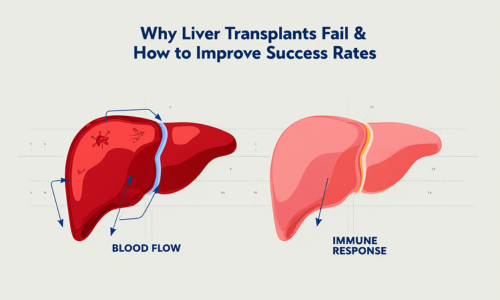
Why Liver Transplants Fail & How to Improve Success Rates
Liver transplants are life-saving procedures for patients with severe liver disease, but they are complex and carry significant risks. Understanding why liver transplants fail and taking preventive steps can greatly improve outcomes. This guide explores the main causes of transplant failure, strategies to minimize risks, and post-operative care recommendations for better long-term success. 1. Common Reasons Liver Transplants Fail a) Organ Rejection One of the most frequent causes of transplant failure is organ rejection, where the body’s immune system attacks the new liver. Prevention: Lifelong immunosuppressive therapy, regular blood tests, and strict adherence to prescribed medication schedules. b) Surgical Complications Problems during or after surgery, such as excessive bleeding, bile duct issues, or vascular complications, can impact the success of the transplant. Prevention: Choosing an experienced surgical team and high-volume transplant centers significantly reduces these risks. c) Pre-existing Medical Conditions Chronic illnesses such as diabetes, heart disease, or kidney problems increase the likelihood of complications after surgery. Prevention: Comprehensive pre-transplant evaluation and proper management of existing medical conditions. d) Post-Transplant Infections Patients are more vulnerable to infections due to immunosuppressive medications. Prevention: Strict hygiene, recommended vaccinations, and early treatment of infections are essential. e) Non-Adherence to Medication & Care Guidelines Skipping medications, ignoring dietary restrictions, or neglecting follow-up appointments can jeopardize transplant outcomes. Prevention: Patient education, counseling, and structured support for medication adherence and lifestyle management. 2. Factors That Influence Transplant Success a) Donor and Recipient Match Compatibility in blood type, liver size, and tissue type is crucial. Proper matching improves graft survival and reduces the risk of rejection. b) Age and Overall Health Younger, healthier patients often experience better outcomes, while older or frail patients may face higher risks. c) Timing of the Transplant Delays in receiving a transplant can worsen liver function and reduce chances of success. Early evaluation and listing increase survival rates. 3. Post-Transplant Care to Improve Outcomes Proper care after surgery is critical to prevent complications and maintain liver function. Medication Compliance: Strict adherence to immunosuppressants prevents rejection. Regular Follow-ups: Routine lab tests and imaging detect complications early. Healthy Lifestyle: Balanced nutrition, avoiding alcohol, and moderate exercise support recovery. Monitoring for Complications: Prompt recognition and treatment of infections, bile duct problems, or graft dysfunction is vital. 4. Accessibility and Support Considerations High-Quality Care Centers: Hospitals with high transplant volumes and experienced teams generally report better outcomes. Remote Follow-ups: Telemedicine can help patients in distant locations maintain post-transplant care. Support Networks: Engaging with patient groups or caregiver networks improves adherence and emotional well-being. 5. Lifestyle & Long-Term Strategies Nutrition: High-protein, nutrient-rich diets support liver health. Exercise: Light to moderate activity helps maintain overall fitness. Mental Health: Counseling or support groups reduce stress and improve adherence to care plans. Patient Education: Understanding risks, warning signs, and medication schedules increases transplant survival. Conclusion Liver transplants are complex procedures, but understanding the causes of failure and following preventive strategies can significantly improve success rates. From pre-transplant evaluations to long-term lifestyle management, every step matters. With proper medical care, adherence to medication, and structured support, patients can achieve the best possible outcomes and enjoy an improved quality of life. Frequently Asked Questions (FAQ) 1. What are the main reasons liver transplants fail? Liver transplants can fail due to organ rejection, surgical complications, pre-existing medical conditions, post-transplant infections, and non-adherence to medication or lifestyle guidelines. 2. How can I prevent liver transplant failure? Preventive measures include taking immunosuppressive medications as prescribed, attending regular follow-ups, choosing an experienced transplant center, maintaining a healthy lifestyle, and promptly addressing infections or complications. 3. How important is post-transplant care? Post-transplant care is critical. Regular check-ups, lab tests, proper diet, medication compliance, and monitoring for complications significantly improve transplant success rates. 4. Does age affect liver transplant success? Yes. Younger, healthier patients generally have better outcomes. However, careful pre-transplant evaluation and management of health conditions can improve success in older patients as well. 5. Can infections cause a liver transplant to fail? Yes. Immunosuppressive medications increase susceptibility to infections, which can jeopardize liver function. Maintaining hygiene, vaccinations, and early treatment of infections are essential. 6. How do donor-recipient compatibility factors influence success? Compatibility in blood type, liver size, and tissue type reduces the risk of organ rejection and improves graft survival. Proper matching is a key factor in transplant success. 7. Can lifestyle changes improve long-term transplant outcomes? Absolutely. Balanced nutrition, moderate exercise, avoiding alcohol, managing stress, and adhering to medications all contribute to long-term transplant success.

Top Tips for Maintaining a Healthy Digestive System
Maintaining a healthy digestive system is essential for overall well-being, as it plays a crucial role in breaking down food, absorbing nutrients, and eliminating waste. A well-functioning digestive system can prevent discomfort and reduce the risk of various gastrointestinal disorders. Here are some top tips to help you keep your digestive system healthy: 1. Eat a Balanced Diet A balanced diet rich in fiber, lean proteins, and healthy fats supports digestive health. Incorporate plenty of fruits, vegetables, whole grains, and legumes to ensure adequate fiber intake. Fiber helps regulate bowel movements, prevent constipation, and maintain a healthy gut microbiome. 2. Stay Hydrated Drinking enough water is crucial for digestion. Water helps break down food, dissolve nutrients, and facilitate their absorption into the bloodstream. It also softens stools, making them easier to pass and preventing constipation. Aim for at least eight glasses of water a day, and adjust your intake based on activity level and climate. 3. Chew Your Food Thoroughly Chewing food thoroughly is an often-overlooked aspect of good digestion. Properly chewing food breaks it down into smaller particles, making it easier for the digestive enzymes to work. This practice also slows down your eating, allowing your brain to signal when you’re full, which can help prevent overeating. 4. Manage Stress Chronic stress can negatively impact your digestive system, leading to issues like indigestion, constipation, or diarrhea. Incorporate stress-reducing activities such as yoga, meditation, or deep-breathing exercises into your routine. Adequate sleep and regular physical activity also play a role in managing stress and promoting digestive health. 5. Exercise Regularly Regular physical activity aids digestion by stimulating intestinal contractions, helping food move through the digestive tract more efficiently. Exercise can also help maintain a healthy weight, reducing the risk of digestive disorders such as gastroesophageal reflux disease (GERD). Aim for at least 30 minutes of moderate exercise most days of the week. 6. Avoid Overeating Eating large meals can overwhelm your digestive system, leading to discomfort and sluggish digestion. Instead, try eating smaller, more frequent meals throughout the day. This approach helps maintain steady energy levels and reduces the burden on your digestive system. 7. Limit Processed Foods and Sugar Processed foods and high sugar intake can disrupt the balance of your gut microbiome, leading to digestive issues. These foods often contain unhealthy fats and additives that can cause inflammation. Opt for whole, unprocessed foods whenever possible to support a healthy gut environment. 8. Be Mindful of Food Intolerances Food intolerances can lead to digestive discomfort, bloating, and other gastrointestinal symptoms. Pay attention to how your body reacts to certain foods, and consider eliminating potential triggers like dairy or gluten if you suspect an intolerance. Consulting with a healthcare professional can help you identify and manage food intolerances effectively. 9. Incorporate Probiotics Probiotics are beneficial bacteria that support a healthy gut microbiome. They can be found in fermented foods like yogurt, kefir, sauerkraut, and kimchi, or taken as supplements. Including probiotics in your diet can improve digestion, boost immunity, and reduce the risk of certain digestive disorders. 10. Don’t Ignore Digestive Symptoms If you experience persistent digestive symptoms like bloating, pain, or changes in bowel habits, consult a healthcare professional. Early intervention can prevent minor issues from developing into more serious conditions and help you maintain a healthy digestive system. By incorporating these tips into your daily routine, you can support your digestive health and enhance your overall quality of life. Remember, small changes can make a significant difference in how your digestive system functions.

Preventing Liver Disease: Tips and Strategies Shared by Hepatologists
Liver plays a crucial role in keeping us healthy, performing various functions such as filtering blood, metabolizing nutrients, and detoxifying harmful substances. Liver diseases can significantly impact our overall well-being, making prevention strategies paramount. Hepatologists, specialists in liver health, offer valuable insights and recommendations to safeguard this vital organ. In this comprehensive guide, we delve into expert advice and actionable tips for preventing liver disease effectively. Understanding Liver Disease To begin, it’s essential to grasp the types and causes of liver disease. Hepatologists categorize liver diseases into various types, including viral hepatitis, fatty liver disease, alcoholic liver disease, and autoimmune liver diseases. Viral hepatitis, caused by hepatitis viruses A, B, C, D, and E, can lead to acute or chronic liver inflammation. Fatty liver disease, often linked to obesity and unhealthy diets, results in the accumulation of fat in liver cells. Alcoholic liver disease stems from excessive alcohol consumption, while autoimmune liver diseases occur when the immune system mistakenly attacks liver cells. Lifestyle Modifications for Liver Health Hepatologists emphasize the significance of lifestyle modifications in preventing liver disease. Adopting a balanced diet rich in fruits, vegetables, whole grains, and lean proteins promotes liver health. Reduce intake of processed foods, sugary beverages, and saturated fats to prevent fatty liver disease. Regular exercise aids in weight management, reduces liver fat, and improves overall metabolic functions. Avoiding excessive alcohol consumption and quitting smoking are pivotal steps in preserving liver health. Vaccination and Screening Programs Viral hepatitis, particularly hepatitis B and C, can lead to chronic liver disease if left untreated. Hepatologists stress the importance of vaccination against hepatitis B to prevent infection. Additionally, screening programs for hepatitis C target early detection and intervention, minimizing the risk of complications such as liver cirrhosis and hepatocellular carcinoma. Routine check-ups and screenings are recommended for individuals at high risk of liver disease, including those with a family history or predisposing factors. Medication Safety and Awareness Hepatologists advise on medication safety to prevent drug-induced liver injury. Always follow prescribed dosages and avoid self-medicating, particularly with over-the-counter medications known to affect liver function. Consult healthcare professionals, including pharmacists and hepatologists, regarding medication interactions and potential liver-related side effects. Stay informed about the impact of medications on liver health, especially when managing chronic conditions. Managing Underlying Health Conditions Certain underlying health conditions, such as diabetes, obesity, and high cholesterol, can contribute to liver disease progression. Hepatologists recommend effective management of these conditions through lifestyle changes, medication adherence, and regular medical monitoring. Controlling blood sugar levels, maintaining a healthy weight, and optimizing lipid profiles are essential in reducing liver disease risk factors. Environmental and Occupational Safety Environmental toxins and occupational hazards can pose risks to liver health. Hepatologists advocate for environmental awareness and minimizing exposure to harmful substances such as industrial chemicals, pesticides, and pollutants. Occupational safety measures, including proper protective gear and adherence to safety protocols, are crucial in preventing occupational liver damage among workers in high-risk industries. Holistic Approaches to Liver Health In addition to conventional preventive measures, hepatologists highlight the value of holistic approaches to liver health. Stress management techniques such as meditation, yoga, and mindfulness promote overall well-being, reducing the impact of stress-related liver conditions. Incorporating nutritional supplements with hepatoprotective properties, such as milk thistle and turmeric, may offer additional support for liver function. Community Education and Support Community education initiatives play a vital role in raising awareness about liver disease prevention. Hepatologists collaborate with healthcare organizations, advocacy groups, and community leaders to disseminate educational resources and promote healthy lifestyle choices. Support groups provide emotional and social support for individuals living with liver conditions, fostering a sense of community and empowerment. Conclusion In conclusion, preventing liver disease requires a multifaceted approach encompassing lifestyle modifications, vaccination, medication safety, management of underlying health conditions, environmental awareness, holistic practices, and community engagement. By implementing the insights and strategies shared by hepatologists, individuals can proactively safeguard their liver health and reduce the burden of liver disease on a global scale. Stay informed, stay healthy, and prioritize your liver’s well-being for a vibrant and fulfilling life.
Best Liver Transplant Surgeon Kochi
If you find yourself facing the challenging prospect of a liver transplant in Kochi, you can place your trust in the capable hands of Dr. Harikumar R Nair. Renowned for his expertise and compassionate approach, Dr. Harikumar R Nair stands as a beacon of hope for patients in need of life-saving liver transplantation. In the bustling city of Kochi, where healthcare options abound, Dr. Harikumar R Nair has emerged as a leading liver transplant surgeon. His journey in the medical field has been marked by a relentless pursuit of excellence and a deep commitment to patient care. Dr. Harikumar R Nair’s proficiency in liver transplantation is not only a result of his extensive education and training but also a testament to his unwavering dedication to advancing medical knowledge and techniques in the field. As a liver transplant surgeon, Dr. Harikumar R Nair specializes in a procedure that can be both complex and emotionally charged. However, his approach is rooted in simplicity and empathy. He understands the gravity of the situation for patients and their families, and his communication reflects a genuine desire to alleviate their concerns. Dr.Harikumar R Nair takes the time to explain the procedure, potential risks, and expected outcomes in a language that is accessible to everyone, fostering a sense of trust and understanding. Dr. Harikumar R Nair’s reputation extends beyond his surgical skills; it encompasses his holistic approach to patient care. He recognizes that undergoing a liver transplant is not merely a physical challenge but a deeply emotional and psychological one as well. Dr.Harikumar R Nair and his team prioritize the overall well-being of the patient, offering support and counseling throughout the entire process. This comprehensive care sets him apart as a surgeon who not only mends bodies but also nurtures his patients’ spirit and emotional resilience. With years of experience under his belt, Dr. Harikumar R Nair has successfully conducted numerous liver transplant surgeries, earning him the trust and gratitude of many. His track record speaks volumes about his surgical precision and the positive outcomes achieved for patients facing the daunting prospect of liver failure. Dr.Harikumar R Nair’s commitment to staying abreast of the latest advancements in transplantation medicine ensures that his patients benefit from advanced techniques and technology. Beyond the operating room, Dr. Harikumar R Nair actively engages with the medical community, contributing to research and educational initiatives. His involvement in advancing the field of liver transplantation reflects not only his passion for medicine but also his commitment to improving the prospects for future patients. By sharing his knowledge and experience, Dr. Harikumar R Nair contributes to the growth of medical expertise in Kochi and beyond. In conclusion, if you are in search of a liver transplant surgeon in Kochi, Dr. Harikumar R Nair stands out as a beacon of hope and healing. His simple and human approach to patient care, coupled with unparalleled surgical expertise, makes him a trusted figure in the medical community. Facing a liver transplant can be a daunting prospect, but with Dr. Harikumar R Nair at the helm, patients can find solace in knowing that they are in the hands of a skilled and compassionate professional dedicated to their well-being.