

Digestive health plays a vital role in your overall well-being, yet it’s often overlooked until symptoms become severe. If you are Looking for Digestive Care in Kochi, recognizing early warning signs can help you seek timely medical attention and prevent serious complications. From occasional discomfort to persistent digestive issues, your body often signals when something isn’t right. In a fast-paced lifestyle, irregular eating habits, stress, and unhealthy food choices can significantly affect your digestive system. Kochi has access to experienced specialists and advanced care, but knowing when to consult a doctor is the first step toward better health. Why Digestive Health Matters Your digestive system is responsible for breaking down food, absorbing nutrients, and eliminating waste. When it doesn’t function properly, it can impact your energy levels, immunity, and overall quality of life. Common Causes of Digestive Problems Poor diet and processed foods Stress and anxiety Lack of physical activity Infections and gut imbalance Chronic medical conditions Ignoring these factors can lead to long-term digestive disorders. Key Signs You Shouldn’t Ignore Many digestive issues start with mild symptoms but can worsen over time. Here are important warning signs: 1. Persistent Abdominal Pain Occasional stomach discomfort is normal, but ongoing pain may indicate conditions like ulcers, gastritis, or intestinal disorders. 2. Frequent Bloating and Gas Bloating after meals can be common, but constant bloating may signal poor digestion, food intolerance, or gut imbalance. 3. Changes in Bowel Habits Sudden changes such as diarrhea, constipation, or irregular bowel movements should not be ignored. 4. Acid Reflux and Heartburn Frequent burning sensation in the chest may indicate acid reflux or GERD, which requires medical attention if persistent. 5. Unexplained Weight Loss Losing weight without trying can be a sign of underlying digestive or metabolic issues. 6. Loss of Appetite A reduced desire to eat may indicate digestive discomfort or liver-related conditions. 7. Blood in Stool This is a serious symptom that requires immediate medical evaluation. 8. Chronic Fatigue Poor digestion can affect nutrient absorption, leading to fatigue and weakness. When Should You See a Specialist? While mild symptoms can be managed with lifestyle changes, certain situations require expert care: Symptoms lasting more than a few weeks Severe abdominal pain Difficulty swallowing Persistent vomiting Family history of digestive disorders Consulting a specialist early can prevent complications and ensure effective treatment. Common Digestive Disorders Understanding common conditions can help you identify potential issues: 1. Gastritis Inflammation of the stomach lining causing pain and discomfort. 2. Irritable Bowel Syndrome (IBS) A chronic condition affecting bowel movements and digestion. 3. Acid Reflux (GERD) Frequent acid reflux leading to discomfort and potential complications. 4. Fatty Liver Disease Often linked to lifestyle and dietary habits. 5. Peptic Ulcers Open sores in the stomach lining causing pain and bleeding. Diagnosis of Digestive Issues in Kochi Specialists use various methods to diagnose digestive problems: Blood tests Endoscopy Colonoscopy Ultrasound scans Stool analysis Accurate diagnosis helps in identifying the root cause and planning treatment. Treatment Options for Digestive Care 1. Lifestyle Changes Eating a balanced diet Regular exercise Stress management Adequate hydration 2. Medications Doctors may prescribe medications to: Reduce acid production Treat infections Improve digestion 3. Advanced Treatments For severe conditions, advanced procedures may be required, including endoscopic treatments and specialized therapies. Role of a Gastroenterologist A specialist in digestive health plays a crucial role in: Diagnosing complex conditions Providing personalized treatment plans Monitoring chronic diseases Preventing complications Consulting an experienced gastroenterologist ensures better outcomes. Diet Tips for Better Digestive Health Your diet directly affects your digestive system: Foods to Include Fiber-rich foods (fruits, vegetables, whole grains) Probiotics (yogurt, fermented foods) Lean proteins Foods to Avoid Spicy and fried foods Processed foods Excess caffeine and alcohol Importance of Early Detection Early diagnosis can: Prevent disease progression Reduce treatment complexity Improve recovery outcomes Ignoring symptoms can lead to serious conditions requiring intensive treatment. Why Choose Kochi for Digestive Care? Kochi offers: Experienced specialists Advanced medical facilities Comprehensive diagnostic services Affordable healthcare options This makes it a preferred destination for digestive care. Preventive Tips for Digestive Health Eat meals on time Avoid overeating Stay active Manage stress Get regular health check-ups Simple habits can significantly improve your digestive health. Conclusion If you are Looking for Digestive Care in Kochi, paying attention to early warning signs is crucial. Digestive issues may seem minor initially, but they can lead to serious complications if ignored. With the right medical guidance, lifestyle changes, and timely treatment, most digestive problems can be effectively managed. Don’t wait for symptoms to worsen—take proactive steps toward better digestive health today. FAQ 1. What are the common signs of digestive problems? Common signs include abdominal pain, bloating, constipation, diarrhea, and acid reflux. 2. When should I see a doctor for digestive issues? If symptoms persist for more than a few weeks or worsen over time, consult a specialist. 3. Which doctor treats digestive problems? A gastroenterologist specializes in diagnosing and treating digestive disorders. 4. Can digestive problems be cured? Many conditions can be managed or cured with proper treatment and lifestyle changes. 5. What foods improve digestion? Fiber-rich foods, probiotics, and a balanced diet help improve digestion. 6. Is stress linked to digestive issues? Yes, stress can significantly impact digestion and worsen symptoms. 7. How are digestive disorders diagnosed? Through blood tests, imaging, endoscopy, and other diagnostic procedures. 8. Why is early diagnosis important? It helps prevent complications and ensures effective treatment.

Signs Your Digestive System Is Not Healthy (And What Your Gut Is Trying to Tell You)
Your body often sends early warnings when something isn’t right, and many of those signals come from your gut. Signs your digestive system is not healthy can appear as everyday discomforts—bloating, acidity, irregular bowel movements, or unexplained fatigue—that people tend to ignore. However, persistent digestive symptoms may indicate underlying issues that require medical attention. Understanding what your gut is trying to tell you helps you take timely action and protect your long-term digestive health. This detailed guide explains the common signs of poor digestive health, what they may mean, and when it’s time to consult a gastroenterologist. Why Digestive Health Matters More Than You Think The digestive system does more than process food. It: Absorbs essential nutrients Supports immune function Regulates metabolism Influences energy levels and mood When digestion is compromised, it can affect the entire body. That’s why ongoing digestive discomfort should never be dismissed as “normal.” Common Signs Your Digestive System Is Not Healthy 1. Frequent Bloating and Abdominal Discomfort Occasional bloating is normal, but frequent or persistent bloating may signal: Poor digestion Food intolerance Gut imbalance Irritable bowel syndrome (IBS) If bloating occurs even after small meals or is accompanied by pain, it may indicate a deeper digestive issue. 2. Persistent Acid Reflux or Heartburn Regular heartburn or acid reflux is one of the most common signs of an unhealthy digestive system. Possible causes include: Gastroesophageal reflux disease (GERD) Weak lower esophageal sphincter Poor dietary habits Delayed stomach emptying Ignoring frequent reflux can lead to complications affecting the esophagus. 3. Irregular Bowel Movements Your bowel pattern is a key indicator of digestive health. Warning signs include: Chronic constipation Frequent diarrhea Alternating constipation and diarrhea Incomplete bowel evacuation These symptoms may be linked to IBS, inflammatory bowel disease (IBD), or digestive motility disorders. 4. Excessive Gas While gas is a normal part of digestion, excessive or foul-smelling gas can indicate: Poor carbohydrate digestion Lactose or gluten intolerance Gut bacterial imbalance Malabsorption issues Persistent gas accompanied by bloating or pain should be evaluated. 5. Unexplained Weight Loss or Gain Sudden changes in weight without changes in diet or activity can be a digestive red flag. Possible digestive causes: Malabsorption of nutrients Chronic inflammation Thyroid-related digestive changes Underlying gastrointestinal disease Weight changes combined with digestive symptoms require medical assessment. 6. Constant Fatigue and Low Energy An unhealthy digestive system may prevent proper absorption of vitamins and minerals. This can lead to: Iron deficiency Vitamin B12 deficiency Weak immunity Ongoing tiredness Digestive health and energy levels are closely connected. 7. Nausea, Vomiting, or Loss of Appetite Frequent nausea or reduced appetite may point to: Gastritis Peptic ulcers Delayed gastric emptying Liver or pancreatic issues If these symptoms persist, they should not be ignored. 8. Food Sensitivities and Intolerances Developing discomfort after eating certain foods may signal: Lactose intolerance Gluten sensitivity Enzyme deficiencies Digestive inflammation A gastroenterologist can help differentiate between intolerance and digestive disease. 9. Blood in Stool or Black Stools This is one of the most serious warning signs. It may indicate: Hemorrhoids Ulcers Inflammatory bowel disease Gastrointestinal bleeding Any sign of blood in stools requires immediate medical evaluation. 10. Frequent Infections or Weakened Immunity A large portion of the immune system is located in the gut. Poor digestive health can lead to: Frequent illness Slow recovery Increased inflammation Gut health plays a direct role in immune defense. What Your Gut Is Trying to Tell You Digestive symptoms are messages, not inconveniences. Your gut may be signaling: Inflammation Imbalance in gut bacteria Poor nutrient absorption Structural or functional digestive disorders Listening to these signs early helps prevent complications. Common Digestive Conditions Behind These Symptoms Some underlying conditions include: Acid reflux and GERD Gastritis Irritable bowel syndrome (IBS) Inflammatory bowel disease (Crohn’s disease, ulcerative colitis) Fatty liver disease Peptic ulcers Food intolerances Early diagnosis improves long-term outcomes. When to See a Gastroenterologist You should seek gastroenterology care if: Symptoms persist for more than two weeks Pain interferes with daily activities There is unexplained weight loss You notice blood in stools Digestive symptoms worsen over time Timely evaluation prevents complications and supports effective treatment. How Gastroenterology Tests Help Identify the Cause Depending on symptoms, a specialist may recommend: Blood tests Stool analysis Ultrasound Endoscopy Colonoscopy These tests help pinpoint the root cause rather than just treating symptoms. Simple Habits That Support Digestive Health While medical care is important, daily habits also matter. Helpful practices include: Eating regular, balanced meals Staying hydrated Managing stress Avoiding overeating Getting enough sleep Limiting processed foods Lifestyle changes work best when guided by medical advice. FAQs – Signs of an Unhealthy Digestive System 1. Are digestive problems always serious? Not always, but persistent or worsening symptoms should be evaluated to rule out underlying conditions. 2. How long should digestive symptoms last before seeing a doctor? If symptoms last more than two weeks or keep returning, medical advice is recommended. 3. Can stress cause digestive problems? Yes. Stress can affect gut movement, acid production, and gut–brain communication. 4. Is bloating every day normal? Daily bloating is not normal and may indicate food intolerance, IBS, or digestive imbalance. 5. Can digestive issues affect overall health? Yes. Poor digestion can impact immunity, energy levels, and nutrient absorption. Final Thoughts Your digestive system constantly communicates with you. Ignoring early signs can allow small problems to grow into serious conditions. By understanding the signs your digestive system is not healthy, you can take timely steps toward diagnosis, treatment, and long-term digestive wellness. Listening to your gut isn’t just about comfort—it’s about protecting your overall health.
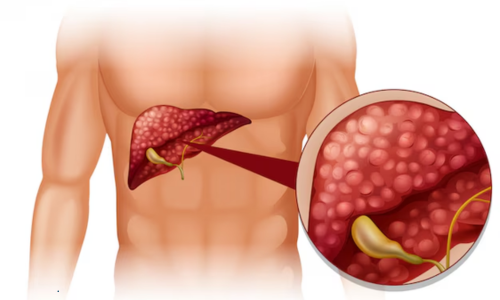
Understanding Cirrhosis: Causes, Stages, and Modern Treatments
Cirrhosis is a serious liver condition that develops gradually over time, often without obvious symptoms in its early stages. It occurs when healthy liver tissue is replaced by scar tissue, affecting the liver’s ability to function properly. Understanding cirrhosis—its causes, stages, symptoms, and modern treatment options—is essential for early detection, effective management, and improved long-term outcomes. This guide explains cirrhosis in a clear, patient-friendly way while covering the latest medical approaches used in modern liver care. What Is Cirrhosis? Cirrhosis is the result of long-term, continuous damage to the liver. As the liver attempts to repair itself, scar tissue forms. Over time, excessive scarring disrupts normal liver structure and blood flow, reducing the organ’s ability to perform essential functions such as: Detoxifying harmful substances Producing bile for digestion Regulating blood clotting Storing nutrients and energy Cirrhosis is usually irreversible, but early diagnosis and proper treatment can slow progression and prevent complications. Common Causes of Cirrhosis Cirrhosis does not develop overnight. It is typically the end result of chronic liver disease. The most common causes include: 1. Chronic Alcohol Use Long-term excessive alcohol consumption is a leading cause of cirrhosis. Alcohol damages liver cells and promotes inflammation and scarring. 2. Chronic Viral Hepatitis Hepatitis B Hepatitis C Untreated viral hepatitis can cause ongoing liver inflammation, eventually leading to cirrhosis. 3. Non-Alcoholic Fatty Liver Disease (NAFLD) Closely linked to obesity, diabetes, and metabolic syndrome, NAFLD can progress to non-alcoholic steatohepatitis (NASH), which may result in cirrhosis. 4. Autoimmune Liver Diseases Conditions such as autoimmune hepatitis cause the immune system to attack liver cells, leading to chronic inflammation and scarring. 5. Genetic and Metabolic Disorders Examples include: Hemochromatosis (iron overload) Wilson’s disease (copper accumulation) 6. Bile Duct Disorders Diseases like primary biliary cholangitis or primary sclerosing cholangitis interfere with bile flow and damage liver tissue over time. Stages of Cirrhosis Cirrhosis progresses through distinct stages, each with different symptoms and treatment goals. Stage 1: Compensated Cirrhosis At this stage, the liver is scarred but still able to perform most of its functions. Common features: Few or no symptoms Often detected through blood tests or imaging Disease progression can be slowed with proper care Stage 2: Decompensated Cirrhosis As liver function declines, complications begin to appear. Possible symptoms include: Fatigue and weakness Jaundice (yellowing of skin and eyes) Fluid accumulation in the abdomen (ascites) Swelling of legs and ankles This stage requires close medical monitoring. Stage 3: Advanced Decompensation Complications become more severe and may include: Variceal bleeding (enlarged veins in the esophagus) Hepatic encephalopathy (confusion due to toxin buildup) Frequent infections Quality of life may be significantly affected at this stage. Stage 4: End-Stage Liver Disease At this stage, the liver can no longer sustain essential functions. Severe complications are common Liver transplantation may be considered for eligible patients Symptoms of Cirrhosis Symptoms vary depending on disease stage and cause. Early cirrhosis may be silent, while advanced stages show clear signs. Common symptoms include: Persistent fatigue Loss of appetite and weight loss Nausea Itching Easy bruising or bleeding Mental confusion or memory issues Early recognition of symptoms can significantly improve outcomes. How Cirrhosis Is Diagnosed Diagnosis usually involves a combination of clinical evaluation and investigations: Blood tests: Liver function tests, clotting profile Imaging: Ultrasound, CT scan, or MRI Elastography: Measures liver stiffness Liver biopsy: In selected cases to assess severity Accurate staging is essential for planning appropriate treatment. Modern Treatment Options for Cirrhosis While cirrhosis-related scarring is often irreversible, modern treatments focus on slowing progression, managing complications, and improving quality of life. 1. Treating the Underlying Cause This is the most important step. Antiviral therapy for hepatitis B or C Complete alcohol abstinence in alcohol-related cirrhosis Weight management and metabolic control for fatty liver disease Addressing the root cause can significantly slow liver damage. 2. Medications to Manage Symptoms and Complications Depending on individual needs, doctors may prescribe: Diuretics for fluid retention Medications to reduce portal hypertension Lactulose or rifaximin for hepatic encephalopathy Vitamin and nutritional supplements Treatment is personalized and closely monitored. 3. Lifestyle and Dietary Management Lifestyle changes play a major role in managing cirrhosis safely: Balanced, protein-adequate diet Reduced salt intake for fluid control Avoiding alcohol completely Vaccination against hepatitis A and B Medical nutrition therapy is often recommended. 4. Endoscopic and Interventional Procedures For certain complications: Endoscopic band ligation for varices Paracentesis for severe ascites TIPS (Transjugular Intrahepatic Portosystemic Shunt) in selected cases These procedures help control life-threatening complications. 5. Liver Transplantation For advanced cirrhosis or liver failure, transplantation may be considered. Requires thorough evaluation Strict eligibility criteria Offers the possibility of long-term survival Modern transplant medicine has significantly improved success rates. Can Cirrhosis Be Prevented? In many cases, yes. Prevention strategies include: Early treatment of hepatitis Avoiding excessive alcohol consumption Managing diabetes, obesity, and cholesterol Regular liver check-ups for high-risk individuals Early intervention is key to preventing irreversible damage. Living with Cirrhosis: Long-Term Outlook Living with cirrhosis requires ongoing care, but many people maintain a good quality of life with proper management. Key factors that improve outcomes: Early diagnosis Regular follow-ups with a liver specialist Adherence to treatment and lifestyle recommendations Education and proactive care empower patients to manage the condition effectively. Final Thoughts Cirrhosis is a complex but manageable condition when identified early and treated appropriately. Understanding its causes, recognizing symptoms, and following modern medical treatment strategies can significantly slow disease progression and reduce complications. With advances in hepatology, antiviral therapy, interventional procedures, and transplantation, patients today have more options than ever before. If liver disease is suspected, timely medical evaluation can make a life-changing difference. FAQs on Cirrhosis Q1: What is cirrhosis of the liver? Cirrhosis is a chronic condition where healthy liver tissue is gradually replaced by scar tissue, reducing the liver’s ability to function properly. It usually develops over years due to long-term liver damage from causes such as hepatitis, alcohol use, or fatty liver disease. Q2: What are the main causes of cirrhosis? The most common causes of cirrhosis include chronic alcohol
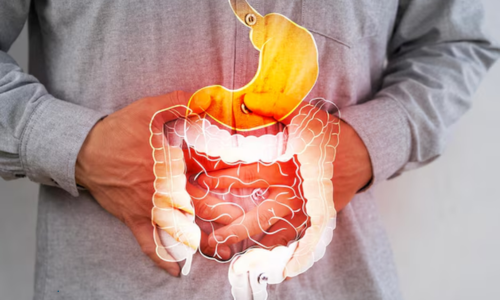
Common Gastrointestinal Diseases: Symptoms, Causes, and Treatment Options
Gastrointestinal (GI) diseases are among the most common health issues affecting millions worldwide. The digestive system, which includes the esophagus, stomach, intestines, liver, pancreas, and gallbladder, is vital for breaking down food, absorbing nutrients, and removing waste. When this system is disrupted, it can lead to serious health complications. Understanding common gastrointestinal diseases, their symptoms, causes, and treatment options is essential for early detection, effective management, and improved quality of life. This guide covers a wide range of GI disorders, explains why they occur, how they are diagnosed, and the treatment strategies available. Whether you are experiencing mild digestive discomfort or are at risk for chronic conditions, this comprehensive article will help you make informed decisions about your digestive health. What Are Gastrointestinal Diseases? Gastrointestinal diseases are conditions that affect the digestive system, interfering with its ability to function normally. They may involve: Structural abnormalities like ulcers, polyps, or tumors Functional disorders such as irritable bowel syndrome Inflammatory conditions like Crohn’s disease or ulcerative colitis Metabolic or systemic issues affecting the liver or pancreas These diseases can lead to discomfort, impaired digestion, nutritional deficiencies, and, in severe cases, life-threatening complications. Early identification and intervention are crucial to prevent long-term damage. Common Gastrointestinal Diseases Below is a detailed look at the most common GI diseases, their causes, symptoms, and treatment options. 1. Gastroesophageal Reflux Disease (GERD) Symptoms: Frequent heartburn or burning sensation in the chest Acid regurgitation into the throat or mouth Difficulty swallowing (dysphagia) Chronic cough or hoarseness Causes: Weak lower esophageal sphincter (LES) Obesity or overweight Consumption of fatty, spicy, or acidic foods Smoking or excessive alcohol use Pregnancy Treatment Options: Lifestyle changes: weight management, small frequent meals, avoid triggers Medications: antacids, H2 blockers, proton pump inhibitors (PPIs) Surgery: Nissen fundoplication in severe or refractory cases GERD can increase the risk of Barrett’s esophagus if left untreated, highlighting the importance of early intervention. 2. Irritable Bowel Syndrome (IBS) Symptoms: Abdominal pain and cramping Bloating and gas Diarrhea, constipation, or alternating stool patterns Mucus in stool Causes: Abnormal gut motility Gut-brain axis dysfunction (stress or anxiety) Food intolerances (e.g., lactose, gluten) Imbalance in gut microbiota Treatment Options: Dietary modifications: low FODMAP diet, fiber supplements Medications: antispasmodics, laxatives, anti-diarrheal drugs Stress management: cognitive behavioral therapy (CBT), relaxation techniques IBS is a chronic functional disorder; while it cannot be cured, symptoms can be effectively managed with proper care. 3. Peptic Ulcers Symptoms: Burning or gnawing stomach pain Nausea, vomiting, or loss of appetite Weight loss Bloating and burping Causes: Infection with Helicobacter pylori (H. pylori) Long-term use of nonsteroidal anti-inflammatory drugs (NSAIDs) Smoking, alcohol, or stress Treatment Options: Antibiotic therapy for H. pylori Proton pump inhibitors to reduce stomach acid Lifestyle modifications (avoid NSAIDs, alcohol, and smoking) Peptic ulcers can lead to complications like bleeding or perforation if untreated. 4. Inflammatory Bowel Disease (IBD) IBD includes Crohn’s disease and ulcerative colitis, chronic inflammatory conditions of the digestive tract. Symptoms: Persistent diarrhea, sometimes with blood Abdominal pain and cramping Fatigue and weight loss Fever in severe cases Causes: Autoimmune dysfunction Genetic predisposition Environmental triggers, such as diet or infections Treatment Options: Anti-inflammatory medications (corticosteroids, aminosalicylates) Immunosuppressants and biologics Surgery for severe or resistant disease IBD requires long-term monitoring to prevent complications like strictures, fistulas, and malnutrition. 5. Gallstones (Cholelithiasis) Symptoms: Sudden, severe pain in the upper right abdomen Nausea and vomiting Pain after fatty meals Jaundice if bile ducts are blocked Causes: Excess cholesterol in bile Imbalance of bile salts Obesity or rapid weight loss Pregnancy Treatment Options: Surgical removal of gallbladder (cholecystectomy) Pain management and dietary modifications Non-surgical treatments in select cases (medications to dissolve stones) Gallstones are common in adults and can cause serious complications like pancreatitis if untreated. 6. Liver Diseases Symptoms: Fatigue and weakness Jaundice (yellowing of eyes and skin) Abdominal swelling (ascites) Dark urine Causes: Viral hepatitis (A, B, or C) Alcohol-related liver disease Non-alcoholic fatty liver disease (NAFLD) Autoimmune liver disorders Treatment Options: Antiviral medications for hepatitis Lifestyle and dietary modifications for fatty liver Liver transplant in end-stage liver disease Liver health is essential for metabolism, detoxification, and nutrient storage. 7. Pancreatitis Symptoms: Upper abdominal pain radiating to the back Nausea and vomiting Fever and rapid pulse Tender abdomen Causes: Gallstones blocking the bile duct Chronic alcohol consumption Certain medications and infections Treatment Options: Hospitalization and IV fluids Pain management Surgery or endoscopic procedures to remove gallstones Lifestyle changes for prevention Acute pancreatitis can be life-threatening, whereas chronic pancreatitis may require ongoing management. 8. Celiac Disease Symptoms: Diarrhea or constipation Bloating and gas Fatigue and anemia Weight loss and delayed growth in children Causes: Autoimmune reaction to gluten (wheat, barley, rye) Genetic predisposition Treatment Options: Strict gluten-free diet Nutritional supplements for deficiencies Regular monitoring for complications Celiac disease is increasingly diagnosed worldwide due to better awareness and testing. Tips for Maintaining Digestive Health Maintaining gastrointestinal health is vital for overall wellbeing. Key strategies include: Eating a high-fiber diet rich in fruits, vegetables, and whole grains Staying hydrated with sufficient water intake Limiting alcohol, caffeine, and spicy or processed foods Engaging in regular physical activity Managing stress through meditation, yoga, or counseling Avoiding smoking Seeking timely medical attention for persistent symptoms Frequently Asked Questions 1. What are the most common gastrointestinal diseases?GERD, IBS, peptic ulcers, IBD, gallstones, liver disease, pancreatitis, and celiac disease are among the most common. 2. How do I know when to see a gastroenterologist?Seek medical care for persistent abdominal pain, bloating, diarrhea, constipation, blood in stool, jaundice, or unexplained weight loss. 3. Can lifestyle changes prevent gastrointestinal diseases?Yes. A fiber-rich diet, regular exercise, hydration, avoiding alcohol and smoking, and stress management can reduce risk. 4. Are gastrointestinal diseases hereditary?Some, like IBD and celiac disease, have genetic predispositions. Lifestyle and environmental factors also play a major role. 5. What treatments are available for GI diseases?Treatment options include dietary adjustments, medications, endoscopic procedures, and surgery depending on the condition. 6. How quickly should I seek treatment for GI symptoms?Urgent attention is needed for severe pain,
What Does a Hepatologist Do and When Should You Visit One?
What Does a Hepatologist Do and When Should You Visit One? This is a question many people start asking when they experience symptoms like fatigue, indigestion, abdominal discomfort, or elevated liver enzymes on a routine health check. Because liver diseases often remain silent until advanced stages, understanding when to consult a hepatologist is essential. In Kochi, access to specialised liver care from experts like Dr. Harikumar R. Nair helps patients receive timely diagnosis and personalised treatment. Hepatology is a specialised branch of medicine focused on the liver, gallbladder, pancreas, and biliary system. These organs are central to metabolism, detoxification, digestion, and nutrient absorption. When liver function is affected, the entire body begins to feel the impact. This detailed guide explains what hepatologists do, how liver conditions are diagnosed, and the warning signs that indicate it is time to schedule a consultation. What Exactly Does a Hepatologist Do? A hepatologist is a medical specialist dedicated to diagnosing and treating liver-related diseases. While gastroenterologists primarily address digestive system disorders, hepatologists focus exclusively on liver health and related organs. Their training equips them to identify early-stage liver issues, manage complex conditions, and guide patients through long-term treatment plans. Here are the core responsibilities of a hepatologist: 1. Evaluating Liver Function The liver filters toxins, processes nutrients, regulates energy, and supports digestion. A hepatologist assesses how well the liver is performing these tasks using blood tests, imaging, and physical examinations. 2. Diagnosing Liver Diseases A hepatologist is trained to detect conditions such as fatty liver disease, viral hepatitis, autoimmune hepatitis, cirrhosis, genetic liver disorders, and biliary tract diseases. Early detection helps prevent severe complications. 3. Managing Chronic Liver Conditions Diseases like hepatitis B, hepatitis C, NAFLD, and alcohol-related liver disease often require long-term monitoring. Hepatologists create personalised care plans focusing on medication, lifestyle modifications, and regular follow-ups. 4. Treating Liver Failure and Complex Disorders In advanced cases, hepatologists assess the severity of liver damage, manage symptoms, and guide patients through pre- and post-liver transplant evaluations. 5. Performing or Recommending Specialised Tests These include: Liver ultrasound FibroScan CT or MRI of the liver Liver biopsy Endoscopic procedures 6. Offering Lifestyle and Nutritional Guidance Because diet, alcohol, weight, and metabolic health directly impact the liver, hepatologists provide structured lifestyle recommendations to prevent disease progression. In Kochi, Dr. Harikumar R. Nair combines clinical expertise with patient-focused care to deliver comprehensive hepatology services. When Should You See a Hepatologist? Liver diseases often develop quietly. By the time symptoms appear, the condition may already be progressing. Understanding the early warning signs can help you take timely action. Below are the major symptoms that require a hepatology consultation. 1. Persistent Fatigue Constant tiredness or low energy can indicate metabolic stress on the liver. When the liver struggles, the body feels drained. 2. Discomfort or Pain in the Upper Right Abdomen The liver is located on the upper right side of the abdomen. Pain, heaviness, or tightness in this region may signal inflammation or structural changes. 3. Yellowing of Skin or Eyes (Jaundice) Jaundice is one of the clearest signs of liver malfunction. It results from the buildup of bilirubin in the bloodstream. 4. Unexplained Weight Loss If you begin losing weight without changes in diet or lifestyle, a hepatologist should evaluate whether liver function is compromised. 5. Dark Urine or Pale Stools These changes may suggest issues with bile production or flow, which require specialist evaluation. 6. Swelling in the Abdomen or Legs Fluid buildup in the abdomen (ascites) or swelling in the legs indicates possible liver damage or portal hypertension. 7. Persistent Itching When the liver cannot properly filter toxins, it may cause constant itching. 8. Digestive Issues Nausea, indigestion, vomiting, or loss of appetite may be associated with hepatitis or fatty liver disease. 9. Elevated Liver Enzymes in a Blood Test High levels of AST, ALT, GGT, or bilirubin require further investigation by a hepatologist. If you experience any of these symptoms, consulting Dr. Harikumar R. Nair in Kochi can help ensure accurate diagnosis and timely treatment. What to Expect During a Hepatology Consultation Many people hesitate to visit specialists because they are unsure of what to expect. A consultation with a hepatologist is a structured process that aims to understand your health concerns and identify the underlying cause. Here is what typically happens: 1. Detailed Medical and Lifestyle History The hepatologist will ask about your: Symptoms Daily routine Diet Alcohol intake Medications Family history This helps identify risk factors for liver disease. 2. Physical Examination The doctor checks for signs such as jaundice, tenderness, swelling, rashes, or other indicators of liver stress. 3. Liver Function Tests A blood test evaluates enzyme levels, bilirubin, proteins, and inflammation markers. 4. Imaging Tests Depending on your symptoms, imaging may include: Ultrasound FibroScan to assess liver stiffness CT or MRI for detailed visualisation 5. Discussion of Diagnosis and Treatment Plan Based on the results, the hepatologist explains the condition, potential complications, and management steps. 6. Lifestyle Guidance You may receive personalised dietary advice, recommendations for exercise, alcohol restriction guidelines, and tips for improving metabolic health. Common Liver Conditions Managed by Hepatologists A hepatologist treats a wide range of liver and biliary disorders. Some of the most common include: Non-alcoholic fatty liver disease (NAFLD) Non-alcoholic steatohepatitis (NASH) Alcohol-related liver disease Hepatitis A, B, and C Autoimmune hepatitis Liver fibrosis Cirrhosis Genetic liver disorders Liver tumors and cysts Biliary obstruction Wilson’s disease Hemochromatosis Each condition requires a different diagnostic and therapeutic approach, highlighting the importance of specialist care. Importance of Early Diagnosis The liver is capable of regeneration, but only when damage is detected early. Many conditions, especially fatty liver disease, are reversible with lifestyle changes if managed in time. Delayed diagnosis, however, can lead to complications such as: Internal bleeding Severe infections Liver failure Fluid accumulation Confusion due to toxin buildup The need for liver transplantation This is why early consultation with a hepatologist is essential for anyone at risk. Hepatology Care in Kochi with Dr. Harikumar R. Nair Kochi is

Which Tests Detect Liver Disease Early? A Hepatology Guide
Detecting liver disease early can make a significant difference in treatment and long-term health. Many liver conditions develop slowly and silently, showing few noticeable symptoms in the beginning. Because of this, people often discover liver issues only when the disease has already progressed. Knowing which tests detect liver disease early allows timely diagnosis, better treatment planning, and, in many cases, full reversal of early damage. For individuals in cities like Kochi, where lifestyle changes, sedentary work, diabetes, and stress-related health conditions are becoming common, regular liver screening is especially important. This guide explains the main tests used to detect liver disease, what they measure, when they are recommended, and what to expect during the diagnostic process. Why Early Detection Matters The liver is involved in more than 500 essential functions, including: Filtering toxins from the blood Breaking down and storing nutrients Producing proteins and enzymes Supporting immune function Aiding digestion through bile production When liver cells are damaged due to fat buildup, alcohol, viruses, or metabolic disorders, the liver often tries to repair itself quietly. Symptoms become noticeable only when damage becomes significant. Early detection provides an opportunity to stop, manage, and even reverse damage before it leads to fibrosis or cirrhosis. Who Should Consider Liver Screening? You should consider liver tests if you: Drink alcohol regularly (even moderate but frequent use) Have fatty liver diagnosed previously Have diabetes, obesity, high triglycerides, or cholesterol Have a family history of liver disease Have had hepatitis in the past Take long-term medications Experience chronic fatigue or digestive discomfort Screening is simple, non-invasive, and widely available in hospitals and diagnostic centers in Kochi and across Kerala. Early Signs of Possible Liver Stress These symptoms do not always mean liver disease, but they should not be ignored: Symptom Why It Happens Constant tiredness Reduced metabolic efficiency Bloating or poor digestion Bile flow issues Mild pain on the right side of the abdomen Enlarged or inflamed liver Yellowish skin or eyes Bilirubin buildup Dark urine and pale stool Bile imbalance Itchy skin Bile salts accumulating in blood If these occur for more than 2–3 weeks, screening is recommended. Key Tests That Detect Liver Disease Early Below are the tests hepatologists commonly use to evaluate liver health. Each test plays a different role. 1. Liver Function Tests (LFTs) A blood test that checks enzymes and proteins produced by the liver. What It Measures and Why It Matters Test Component Meaning What It Indicates ALT & AST Liver enzymes released when cells are damaged Detect inflammation or injury ALP & GGT Enzymes linked to bile ducts Detects bile flow issues or alcohol stress Bilirubin Waste pigment processed by liver High levels show processing dysfunction Albumin & Total Protein Proteins made by the liver Low levels indicate declining liver function LFT is usually the first step to check overall liver health. 2. Ultrasound Abdomen A painless imaging test used to view liver structure and texture. Useful For Detecting Fatty liver (fat accumulation) Liver enlargement or shrinkage Gallstones Cysts or masses Early signs of cirrhosis Ultrasound is widely available in most Kochi diagnostic centers and is usually combined with LFT for initial evaluation. 3. FibroScan (Liver Stiffness Measurement) A specialized scan that assesses whether the liver is soft, flexible, or stiffened due to scarring. Result Meaning Low stiffness Healthy or early-stage fatty liver Moderate stiffness Fibrosis (scarring beginning) High stiffness Cirrhosis (advanced scarring) FibroScan is important because it helps detect damage before symptoms appear.It is non-invasive and often replaces biopsy in early disease detection. 4. Hepatitis Blood Tests These tests check for viral infections that cause inflammation and long-term liver damage. Virus Test What It Identifies Hepatitis B HBsAg, Anti-HBc, HBeAg Active infection, immunity status Hepatitis C Anti-HCV, HCV RNA Past exposure and active viral load Early detection prevents long-term complications like cirrhosis and liver cancer. 5. MRI / MRCP and CT Scan These imaging tests are used when deeper detail is needed. Scan Type Purpose CT Scan Detects tumors, cysts, and structural changes MRI / MRCP Visualizes bile ducts, liver tissue details, and pancreas-related conditions These are usually recommended if ultrasound suggests abnormalities. 6. Autoimmune and Metabolic Tests If the cause is unclear, additional tests are done to rule out: Condition Test Used Autoimmune Hepatitis ANA, SMA, LKM antibodies Wilson’s Disease (copper buildup) Ceruloplasmin, serum copper Hemochromatosis (iron overload) Serum ferritin, transferrin saturation These require specific treatment plans. 7. Alpha-Fetoprotein (AFP) Test A blood test used to screen for liver cancer risk, especially in individuals with long-standing hepatitis or cirrhosis. 8. Liver Biopsy Recommended only when deeper evaluation is needed.A tiny sample of liver tissue is examined to confirm the stage and type of disease. Today’s biopsy techniques are safe, precise, and minimally invasive. How Often Should You Get Tested? Risk Level Recommended Screening Frequency No known risk Every 2 years Fatty liver or lifestyle-related risks Every 6–12 months Chronic hepatitis, fibrosis, or cirrhosis Every 3–6 months Regular monitoring prevents silent progression. Can Early Liver Damage Be Reversed? Yes. Fatty liver and early fibrosis are often reversible with: Balanced diet Regular physical activity Weight management Reduced alcohol consumption Proper diabetic and cholesterol control Once severe cirrhosis develops, reversal becomes limited — which is why early testing is essential. Conclusion The liver has an incredible ability to heal itself when problems are identified early. Simple tests like LFT and Ultrasound can detect early stress, while FibroScan and Hepatitis screening clarify the cause and severity. Understanding these tests empowers you to take your health seriously and prevents small issues from turning into long-term disease. For people in Kochi and surrounding areas, liver screening is easily accessible through hospitals, diagnostic centers, and hepatology clinics. If you have risk factors or mild persistent symptoms, do not wait — early testing protects your long-term health and quality of life. Frequently Asked Questions 1. What is the first test to check for liver disease? The first test is usually Liver Function Test (LFT), a simple blood test that checks enzyme levels. 2. Which
Can Liver Regenerate Itself? Facts Every Patient Should Know
Can liver regenerate itself? This is a common question among patients concerned about liver health. The liver is one of the few organs in the human body capable of repairing and regrowing damaged tissue. Its remarkable regenerative ability allows it to recover from mild injuries, infections, or damage caused by diet, lifestyle, or certain diseases. However, this capacity has limits, especially in chronic or repeated injury. Understanding how liver regeneration works, what factors affect recovery, and steps patients can take to support their liver is essential for long-term wellness. The liver is responsible for vital functions such as detoxification, metabolism, and bile production. Its health directly impacts energy levels, digestion, and the body’s ability to fight infections. Protecting and supporting the liver is therefore a cornerstone of overall health. How the Liver Regenerates The liver’s regenerative capacity is unique among human organs. Even when a significant portion is damaged or surgically removed, the remaining healthy tissue can grow to restore full function. Key aspects of liver regeneration include: Cellular multiplication: Hepatocytes, the liver’s main functional cells, divide to replace damaged tissue. Compensatory growth: Surviving cells increase their activity to maintain liver performance. Regeneration timeline: Minor injuries can begin to repair within days. Complete recovery depends on the extent of damage and overall health. Limits of regeneration: Chronic injury, cirrhosis, or repeated insults can reduce the liver’s ability to heal fully. For example, studies have shown that after surgical removal of up to 70% of the liver (partial hepatectomy), healthy liver tissue can regrow to near its original size within 6–8 weeks in healthy adults. However, repeated damage from alcohol, fatty liver, or viral infections can overwhelm this capacity. Factors That Affect Liver Regeneration Several factors influence the liver’s ability to heal and regenerate: 1. Diet and Nutrition A nutrient-rich diet supports hepatocyte repair. Key nutrients include: Proteins: Essential for cell repair and regeneration. Antioxidants: Found in fruits and vegetables, they protect liver cells from oxidative damage. Vitamins and minerals: Vitamins A, D, E, K, and minerals like zinc support enzymatic liver functions. Diets high in sugar, refined carbs, trans fats, and processed foods can slow regeneration and increase fat accumulation, contributing to fatty liver disease. 2. Alcohol Consumption Chronic alcohol intake is one of the most common causes of liver damage. Alcohol metabolizes into toxins that kill liver cells faster than they can regenerate. Abstaining from alcohol improves the liver’s ability to recover, particularly in early-stage alcohol-induced liver disease. 3. Underlying Liver Conditions The presence of liver disease affects regeneration: Fatty liver disease (NAFLD/NASH): Early stages are reversible with lifestyle changes, but advanced stages reduce regenerative capacity. Hepatitis B and C: Viral infections can cause chronic inflammation, scarring, and impaired regeneration. Cirrhosis: Scarring limits hepatocyte proliferation, making regeneration difficult or impossible. 4. Age and Overall Health Younger, healthier individuals regenerate liver tissue more efficiently than older adults. Comorbidities like diabetes, obesity, or metabolic syndrome slow recovery and increase risk of long-term damage. 5. Medications and Environmental Toxins Certain medications, supplements, and chemical exposures can hinder liver regeneration. Patients should consult hepatologists before starting new drugs to avoid hepatotoxicity. Can Chronic Liver Damage Be Reversed? Liver regeneration works best in acute or mild injury scenarios. Chronic damage may be partially reversible depending on the disease stage. Fatty Liver Disease: Lifestyle interventions like exercise, weight management, and a healthy diet can reverse fat accumulation in early stages. Alcoholic Liver Disease: Stopping alcohol and receiving medical supervision can allow partial regeneration if scarring is minimal. Cirrhosis: Advanced scarring significantly limits regeneration. Liver transplantation may become necessary in severe cases. Early intervention, routine checkups, and medical guidance are critical in reversing damage and supporting regeneration. Warning Signs That Indicate Liver Stress Because liver damage often develops silently, recognizing early signs is important: Persistent fatigue and weakness Yellowing of skin or eyes (jaundice) Abdominal swelling or leg edema Dark urine or pale stools Loss of appetite, nausea, or unexplained weight loss Consulting a hepatologist promptly can prevent progression and improve treatment outcomes. Lifestyle Practices to Support Liver Regeneration Even with natural regenerative capacity, lifestyle plays a critical role in recovery: Balanced Nutrition: Emphasize leafy greens, vegetables, lean proteins, whole grains, and healthy fats. Hydration: Adequate water intake supports detoxification. Physical Activity: Regular exercise reduces liver fat and enhances metabolic health. Avoid Alcohol and Toxins: Limit alcohol consumption, avoid unnecessary medications, and minimize chemical exposures. Vaccination: Hepatitis A and B vaccines protect against viral infections that can hinder regeneration. Routine Health Checks: Liver function tests (LFTs) monitor enzyme levels, helping detect early signs of damage. Additional supportive practices include maintaining a healthy weight, managing diabetes, and avoiding high-sugar diets that contribute to fat accumulation. Advanced Diagnostics and Monitoring Modern hepatology provides multiple tools to assess liver health: Blood Tests: Measure liver enzymes, bilirubin, and proteins to gauge function. Imaging Studies: Ultrasound, CT, and MRI can detect fat accumulation, fibrosis, or structural changes. Liver Biopsy: In select cases, provides a detailed view of tissue health. Non-Invasive Fibrosis Testing: Advanced elastography measures scarring without surgery. These diagnostics help physicians monitor regeneration, identify early problems, and recommend individualized treatment plans. How Regeneration Differs Across Liver Conditions Acute Hepatitis: Rapid healing is possible, usually within weeks. Chronic Hepatitis: Ongoing inflammation slows regeneration; antiviral therapy can help. Fatty Liver Disease: Early intervention can reverse damage; late stages may require medical therapy. Cirrhosis: Regeneration is severely limited; supportive care and transplantation may be required. Understanding the stage of liver disease helps patients set realistic expectations and follow effective care plans. When to See a Hepatologist Patients should consult a specialist if: Symptoms like jaundice, swelling, or fatigue persist Liver function tests are abnormal Risk factors exist, including obesity, diabetes, viral hepatitis, or alcohol use New medications or supplements may affect the liver Specialists can guide lifestyle changes, monitor regeneration, and design personalized treatment strategies. Conclusion The liver’s ability to regenerate is extraordinary but not unlimited. Protecting liver health through diet, lifestyle, early intervention, and medical guidance is critical. Patients with liver
How Do Hepatologists Treat Fatty Liver Disease Effectively?
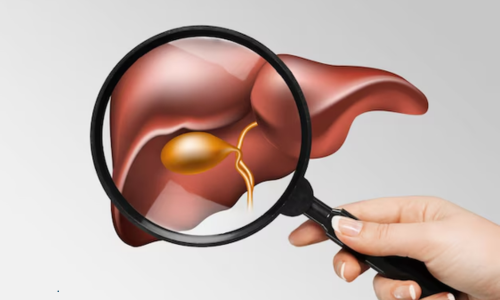
Fatty liver disease has become one of the most common liver disorders worldwide, affecting people of all ages and lifestyles. A hepatologist, a specialist in liver health and diseases, plays a key role in diagnosing, managing, and reversing fatty liver through tailored treatment plans. If you’re looking for expert care, consulting a hepatologist in Kochi, Kerala can help you manage the condition effectively and protect your long-term liver health. Understanding Fatty Liver Disease Fatty liver disease occurs when excess fat builds up in liver cells. When more than 5–10% of the liver’s weight is fat, it’s considered fatty liver. The condition can be categorized into two main types: Non-Alcoholic Fatty Liver Disease (NAFLD):Occurs in people who drink little or no alcohol. Closely linked to obesity, diabetes, and high cholesterol. Alcoholic Fatty Liver Disease (AFLD):Caused by excessive alcohol consumption that leads to fat accumulation and inflammation. Both conditions can progress silently and, if untreated, may lead to liver inflammation, fibrosis, cirrhosis, or even liver cancer. Why Hepatology Expertise Matters Hepatology is the branch of medicine focused entirely on the liver, gallbladder, bile ducts, and pancreas. Hepatologists bring deep expertise in managing complex liver disorders. They not only treat the symptoms but also identify the underlying causes — such as metabolic imbalance, alcohol use, or medication effects — ensuring a personalized and holistic recovery plan. Diagnosis: How Hepatologists Detect Fatty Liver Disease Before starting treatment, hepatologists perform a series of clinical assessments and diagnostic tests to determine the severity and stage of fatty liver disease. 1. Medical History & Physical Examination Your hepatologist will review lifestyle habits, alcohol intake, and metabolic conditions like diabetes or hypertension. Palpation may reveal liver enlargement. 2. Blood Tests Liver Function Tests (LFTs): To detect elevated enzymes such as ALT and AST. Lipid Profile & Glucose Tests: To evaluate cholesterol and insulin resistance. 3. Imaging Studies Ultrasound: A non-invasive way to detect fat accumulation. FibroScan (Transient Elastography): Measures liver stiffness to assess fibrosis. MRI or CT Scan: Used for detailed liver imaging in advanced cases. 4. Liver Biopsy In uncertain cases, a small tissue sample may be examined to determine inflammation, fibrosis, or cirrhosis. Treatment Approaches: How Hepatologists Manage Fatty Liver Disease Fatty liver treatment focuses on reversing fat buildup, reducing inflammation, and preventing complications. Hepatologists develop individualized treatment plans that include lifestyle modification, medical therapy, and continuous monitoring. 1. Lifestyle and Diet Modifications The cornerstone of treatment is lifestyle change. Weight Management: Losing 7–10% of body weight can significantly reduce liver fat. Healthy Diet: Emphasis on high-fiber foods, whole grains, fruits, vegetables, and lean proteins. Avoid Sugary Drinks and Processed Foods: Reducing fructose and refined carbs lowers liver stress. Exercise: At least 150 minutes of moderate activity weekly improves metabolism and insulin sensitivity. Limit Alcohol: Even minimal consumption can worsen fatty liver in some patients. 2. Medical Management While no specific drug is approved solely for fatty liver disease, hepatologists prescribe medicines to control underlying conditions: Insulin Sensitizers (like Metformin): For patients with type 2 diabetes. Vitamin E Supplements: May reduce inflammation in non-diabetic patients. Lipid-Lowering Agents: Statins can control cholesterol safely under medical supervision. Antioxidants and Hepatoprotective Agents: Support liver regeneration and repair. 3. Treating Associated Metabolic Conditions Managing obesity, high blood pressure, and cholesterol is crucial. Hepatologists often coordinate with dietitians and endocrinologists for comprehensive metabolic control. 4. Monitoring and Follow-Up Regular check-ups are essential to track liver enzyme levels and detect early signs of fibrosis. Periodic imaging and lab evaluations ensure the treatment plan remains effective. Advanced Hepatology Treatments for Severe Cases If fatty liver progresses to non-alcoholic steatohepatitis (NASH) or cirrhosis, hepatologists employ advanced therapeutic strategies: Antifibrotic Medications (in trial settings) to slow scarring. Liver Transplant Evaluation: In cases of liver failure or end-stage cirrhosis, transplantation may be considered. Clinical Trials: Access to emerging therapies through specialized hepatology centers. Can Fatty Liver Be Reversed? Yes — in most early cases, fatty liver is completely reversible through timely diagnosis and disciplined lifestyle changes. Under a hepatologist’s guidance, patients often see significant improvement in liver enzyme levels within months. The key is consistency in diet, exercise, and medical follow-up. Preventive Hepatology: Keeping Your Liver Healthy Prevention is far easier than cure. Hepatologists emphasize: Maintaining a balanced diet low in saturated fats. Staying physically active. Avoiding excessive alcohol. Getting regular liver function tests, especially if you have diabetes or obesity. Taking vaccinations for Hepatitis A and B, if recommended. When to See a Hepatologist You should consult a hepatologist if you experience: Persistent fatigue or weakness. Pain or fullness in the upper right abdomen. Unexplained weight loss. Jaundice (yellowing of skin or eyes). Abnormal liver test results. Early consultation prevents irreversible liver damage and supports faster recovery. The Role of a Hepatologist in Kochi, Kerala Kochi has become a hub for advanced liver care and hepatology services. Experienced specialists like Dr. Harikumar R. Nair, one of the leading hepatologists in Kerala, offer comprehensive evaluation, evidence-based treatment, and long-term management for all liver conditions — from fatty liver to transplant medicine. Patients receive personalized care supported by modern diagnostic tools and multidisciplinary expertise. Conclusion Fatty liver disease is a silent yet reversible condition when addressed early under the guidance of an expert hepatologist. By combining healthy lifestyle changes, medical supervision, and regular follow-ups, patients can restore liver health and prevent future complications.If you suspect liver problems or have risk factors such as diabetes or obesity, consulting a hepatologist in Kochi, Kerala is the first step toward effective recovery and long-term well-being. Frequently Asked Questions (FAQ) 1. Can fatty liver disease be completely cured?In its early stages, fatty liver is reversible through proper diet, exercise, and medical monitoring. Advanced stages may require more intensive care. 2. How long does it take to improve fatty liver?Most patients notice improvement in liver enzyme levels within 3–6 months of lifestyle modification and consistent follow-up. 3. Is medication always required for fatty liver disease?Not always. Many cases respond to non-pharmacological measures like weight loss and diet changes. Medication is prescribed
Early Warning Signs of Liver Disease — What Your Body Is Trying to Tell You
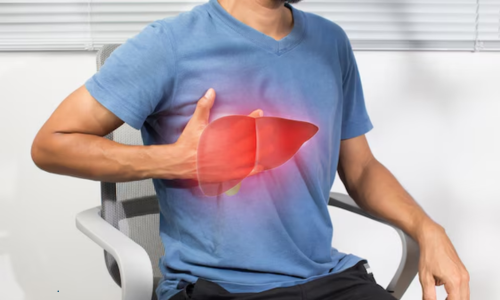
Why Recognizing Liver Disease Early Matters The early signs of liver disease often appear subtle, yet they hold critical clues about your body’s health. The liver is a vital organ responsible for detoxifying the blood, aiding digestion, and storing essential nutrients. When it’s under stress or damaged, the symptoms can be easily overlooked — until the condition becomes severe.Understanding these early warning signs can help you take timely action, seek medical attention, and prevent long-term complications. Why the Liver Is So Important to Your Health The liver is the body’s silent workhorse — performing over 500 essential functions.It filters toxins from the bloodstream, metabolizes nutrients, produces bile for digestion, and helps regulate hormones and cholesterol. When liver cells are damaged due to infection, fatty buildup, alcohol, or medications, these processes slow down, causing toxins to accumulate in the body.Without early detection, this can progress to chronic liver disease, fibrosis, or cirrhosis. Common Early Warning Signs of Liver Disease 1. Persistent Fatigue and Weakness One of the earliest and most common signs of liver trouble is ongoing fatigue. The liver plays a key role in converting food into energy. When it becomes inflamed or damaged, the body produces less glucose and stores fewer nutrients — leading to constant tiredness and weakness. 2. Yellowing of Skin and Eyes (Jaundice) Jaundice occurs when bilirubin, a yellow pigment produced from old red blood cells, builds up in the bloodstream. A healthy liver filters bilirubin effectively. When it fails to do so, the skin and eyes turn yellow — a clear indicator that your liver needs immediate attention. 3. Abdominal Pain or Swelling Discomfort or fullness in the upper right side of the abdomen is often linked to liver inflammation. In advanced stages, fluid may accumulate in the abdomen (ascites), causing visible swelling and pressure. 4. Dark Urine and Pale Stools Changes in urine and stool color are strong indicators of liver distress.Dark urine may suggest high bilirubin levels, while pale or clay-colored stools occur when bile flow is blocked — both are warning signs that the liver isn’t processing waste properly. 5. Loss of Appetite or Nausea A damaged liver can affect digestion, leading to reduced appetite, bloating, or nausea after meals. In many cases, people lose weight unintentionally as their body struggles to metabolize fats and proteins. 6. Itchy Skin and Easy Bruising When bile salts accumulate beneath the skin, it may cause intense itching. Additionally, the liver produces proteins that help with blood clotting — so when it’s impaired, you may notice bruising or bleeding more easily than usual. What Causes Liver Disease? Liver disease can stem from a range of underlying issues, and identifying the cause is crucial for treatment. Alcohol consumption: Long-term drinking can cause inflammation and scarring (alcoholic liver disease). Non-alcoholic fatty liver disease (NAFLD): Often linked to obesity, diabetes, or poor diet. Viral infections: Hepatitis A, B, and C can lead to chronic inflammation. Medications and toxins: Certain drugs and herbal supplements can damage liver tissue. Autoimmune disorders: The immune system may mistakenly attack liver cells. Knowing the cause allows hepatologists to tailor treatment — whether through medication, lifestyle changes, or further testing. When Should You See a Hepatologist? If you experience persistent fatigue, unexplained nausea, or yellowing of your eyes, it’s time to consult a hepatologist.Early intervention can prevent progression to cirrhosis or liver failure. A hepatologist specializes in diagnosing and managing liver-related disorders, offering advanced tests such as liver function analysis, ultrasound, or biopsy. For patients in Kerala, consulting a hepatologist in Kochi like Dr. Harikumar R. Nair can provide personalized evaluation and treatment based on your symptoms and medical history. How Hepatologists Diagnose Liver Problems Diagnosis begins with a detailed medical history, physical examination, and targeted testing. Blood tests: To evaluate enzymes, bilirubin, and protein levels. Ultrasound or MRI: To detect inflammation, fat buildup, or tumors. Liver biopsy: A small tissue sample may be taken to confirm fibrosis or cirrhosis.These diagnostic tools help determine the stage of liver disease and guide appropriate treatment options. Protecting Your Liver — Prevention Tips from Hepatology Experts Healthy lifestyle habits are key to preventing liver disease and supporting recovery. 1. Maintain a Balanced Diet Focus on fruits, vegetables, lean proteins, and whole grains. Limit processed foods, saturated fats, and sugar. 2. Exercise Regularly Physical activity improves metabolism and reduces fat buildup in the liver. 3. Avoid Alcohol and Unnecessary Medications Alcohol is one of the leading causes of liver damage. Use medications only under medical supervision. 4. Get Vaccinated for Hepatitis Vaccines for Hepatitis A and B provide essential protection. 5. Stay Hydrated and Manage Weight Proper hydration supports liver detoxification. Maintaining a healthy weight reduces the risk of non-alcoholic fatty liver disease. 6. Go for Routine Checkups If you have diabetes, high cholesterol, or obesity, schedule regular liver function tests to detect early changes. Complications of Ignoring Early Signs Ignoring the early warning signs of liver disease can lead to serious complications such as: Liver fibrosis and cirrhosis (scarring of liver tissue) Portal hypertension (increased pressure in liver blood vessels) Liver failure Increased risk of liver cancer Timely diagnosis and lifestyle modifications can significantly reduce these risks. Final Thoughts Your liver quietly supports nearly every system in your body — until it struggles. Recognizing the early warning signs of liver disease allows you to act before the damage becomes irreversible.If you notice unusual fatigue, yellowing skin, or persistent digestive issues, consult a hepatologist for professional evaluation. With early care, most liver problems can be managed effectively, helping you lead a healthy, active life. For expert liver care and diagnosis, visit Dr. Harikumar R. Nair, an experienced Hepatologist in Kochi, Kerala, specializing in liver diseases, hepatology, and transplant medicine. FAQs (For Featured Snippet & AEO Optimization) Q1: What are the earliest symptoms of liver disease?The most common early symptoms include fatigue, yellowing of the eyes or skin (jaundice), dark urine, and abdominal discomfort. Q2: Can liver disease be cured?Some liver conditions, like fatty liver or mild hepatitis, can
How Hepatologists Diagnose Liver Problems: Key Tests and Procedures
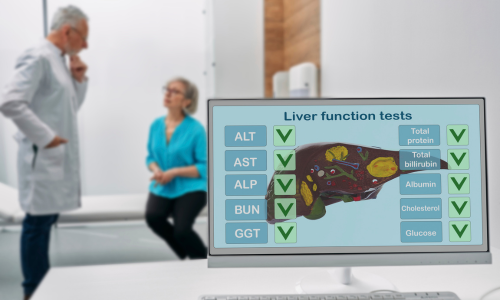
Understanding how hepatologists diagnose liver problems is crucial for anyone experiencing symptoms such as fatigue, abdominal discomfort, jaundice, dark urine, or unexplained weight fluctuations. The liver is a vital organ responsible for detoxification, metabolism, and maintaining overall health. Subtle changes in liver function can indicate serious conditions like hepatitis, fatty liver disease, cirrhosis, or liver cancer. Many liver disorders develop silently, which makes early evaluation by a specialist essential to prevent progression and ensure effective management. Hepatologists combine comprehensive medical history, physical examinations, laboratory testing, advanced imaging, and specialized procedures to identify underlying causes, determine disease severity, and formulate personalized treatment plans. Patients in regions such as Kochi, Kerala, and Sharjah are increasingly seeking professional guidance, recognizing that early diagnosis improves outcomes, enhances quality of life, and supports long-term liver wellness. This article explores the diagnostic journey, highlighting key tests, procedures, and strategies used by liver specialists to maintain optimal liver health. Comprehensive Clinical Evaluation The diagnostic journey begins with a thorough clinical evaluation. Hepatologists gather information about: Medical history: Past liver conditions, medications, alcohol consumption, viral infections Family history: Genetic liver disorders or autoimmune conditions Lifestyle factors: Diet, physical activity, alcohol or drug use During the physical examination, specialists look for jaundice, liver enlargement, abdominal swelling, and signs of chronic liver disease such as spider angiomas or palmar erythema. This stage provides a crucial foundation for determining which tests and procedures are necessary, ensuring a tailored and effective diagnostic approach. Laboratory Testing: Key Insights into Liver Function Laboratory investigations are central to evaluating liver health. They help identify conditions ranging from fatty liver and hepatitis to cirrhosis and early liver cancer. Liver Function Tests (LFTs) measure enzymes, proteins, and bilirubin levels to detect inflammation or liver cell damage. Common markers include ALT, AST, ALP, GGT, albumin, and bilirubin. Viral Hepatitis Screening is essential to detect hepatitis A, B, or C infections, guiding timely antiviral therapy. Metabolic and Autoimmune Panels evaluate disorders such as autoimmune hepatitis, hemochromatosis, or Wilson’s disease. Complete Blood Count (CBC) and Coagulation Tests assess overall health and identify complications related to chronic liver disease, such as anemia or clotting abnormalities. Laboratory tests provide critical insights that guide imaging studies and advanced procedures, ensuring that hepatologists can accurately pinpoint the nature and severity of liver issues. Imaging Techniques: Visualizing Liver Structure Imaging allows hepatologists to assess the liver’s structure, detect abnormalities, and monitor disease progression. Ultrasound (USG) is commonly used to evaluate liver size, texture, fatty infiltration, fibrosis, cysts, or tumors. Computed Tomography (CT) Scan provides detailed 3D images, helping identify structural changes or vascular complications. Magnetic Resonance Imaging (MRI) and MRCP offer high-resolution views of liver tissue and bile ducts, aiding in complex diagnoses. Elastography (FibroScan) measures liver stiffness, evaluating fibrosis or cirrhosis without the need for invasive procedures. Imaging complements lab tests by giving hepatologists a visual understanding of liver health and guiding treatment decisions. Specialized Procedures Some liver conditions require targeted procedures for precise diagnosis: Liver Biopsy involves removing a small tissue sample to examine inflammation, fibrosis, or early signs of liver cancer. This minimally invasive procedure provides definitive insights into liver health. Endoscopic Procedures (ERCP) are used to evaluate and treat bile duct disorders, allowing direct assessment and sometimes therapeutic intervention. Genetic and Metabolic Testing identifies rare liver disorders such as Wilson’s disease or alpha-1 antitrypsin deficiency, helping tailor personalized management strategies. Emerging Non-Invasive and AI-Based Diagnostics Modern hepatology is incorporating non-invasive methods and technology to enhance early detection and monitoring: Non-Invasive Biomarkers include blood-based fibrosis scores like APRI or FibroTest, providing valuable information without tissue sampling. Artificial Intelligence (AI) and Machine Learning assist in interpreting imaging results, predicting fibrosis progression, and supporting early intervention strategies. These innovations complement traditional diagnostic methods, improving accuracy and patient experience while reinforcing the authority of hepatology care. Lifestyle Factors and Risk Assessment Understanding lifestyle and risk factors is critical for early detection and prevention: Obesity, diabetes, and high cholesterol increase the risk of fatty liver disease. Chronic viral infections, prolonged alcohol use, and certain medications contribute to liver damage. Family history may indicate genetic susceptibility. Patients are advised to maintain a balanced diet, regular physical activity, alcohol moderation, and routine monitoring to protect liver health. Importance of Early Detection and Follow-Up Proactive monitoring allows hepatologists to intervene early, reducing the risk of complications. Follow-up schedules are tailored based on risk factors, previous diagnoses, and the results of laboratory and imaging tests. Early detection supports lifestyle modifications, medication management, and timely therapeutic interventions, ultimately improving long-term outcomes. Patient Education and Preparing for Tests Patients play a key role in successful diagnosis: Blood tests may require fasting or temporary medication adjustments. Imaging procedures often require preparation such as wearing comfortable clothing or avoiding metal objects. Biopsy procedures involve understanding the process, post-procedure care, and possible minor side effects. Clear communication with hepatologists ensures accurate testing and reduces patient anxiety during evaluation. Frequently Asked Questions How can hepatologists detect liver problems early?Early detection combines clinical evaluation, lab tests, imaging, and risk assessment to identify issues before severe symptoms develop. Are liver tests painful or risky?Most tests are non-invasive and safe. Procedures like liver biopsy may involve minor discomfort but are carefully managed. Can lifestyle changes improve liver health?Yes, especially in cases like fatty liver. Balanced nutrition, regular exercise, and limiting alcohol consumption can significantly improve liver function. How often should liver health be monitored?High-risk individuals may require more frequent evaluations, while healthy adults should consider annual check-ups or as advised by a hepatologist. Is AI used in liver diagnostics?Yes, AI helps analyze imaging results, predict disease progression, and support early intervention. Conclusion Understanding how hepatologists diagnose liver problems empowers patients to seek timely care, make informed decisions, and adopt preventive practices. From initial clinical evaluation and laboratory testing to imaging, specialized procedures, and emerging AI tools, liver specialists use a comprehensive approach to ensure accurate diagnosis and effective management. Patients in Kochi, Kerala, Sharjah, and across the UAE benefit from this structured, expert-guided process, enabling early intervention, lifestyle