Fatty liver disease, also known as hepatic steatosis, is a common condition that affects millions of people worldwide. It occurs when fat accumulates in the liver, often due to lifestyle factors such as poor diet, obesity, and lack of exercise. While medical treatment is sometimes necessary, there are several natural remedies that can help manage and potentially reverse fatty liver disease. In this blog, we’ll explore some effective natural remedies to support liver health. 1. Maintain a Healthy Diet Eat Plenty of Fruits and Vegetables A diet rich in fruits and vegetables provides essential vitamins, minerals, and antioxidants that support liver health. Leafy greens, berries, and citrus fruits are particularly beneficial due to their high antioxidant content. Choose Whole Grains Whole grains like brown rice, oats, and quinoa are excellent sources of fiber and nutrients. They help regulate blood sugar levels and reduce liver fat. Include Healthy Fats Incorporate healthy fats from sources such as avocados, nuts, seeds, and olive oil. These fats can reduce inflammation and support overall liver function. Avoid Processed Foods and Sugars Processed foods and sugary beverages contribute to fat accumulation in the liver. Limiting these can significantly improve liver health. 2. Exercise Regularly Regular physical activity helps reduce liver fat and improve overall health. Aim for at least 150 minutes of moderate-intensity exercise, such as brisk walking or cycling, each week. Strength training exercises are also beneficial for maintaining muscle mass and improving metabolism. 3. Maintain a Healthy Weight Achieving and maintaining a healthy weight is crucial for managing fatty liver disease. Weight loss of 5-10% can significantly reduce liver fat and inflammation. Focus on gradual, sustainable weight loss through a combination of diet and exercise. 4. Stay Hydrated Drinking plenty of water helps flush toxins from the body and supports liver function. Aim to drink at least eight glasses of water per day. Herbal teas, such as dandelion or milk thistle, can also be beneficial for liver health. 5. Limit Alcohol Consumption Alcohol can exacerbate fatty liver disease and lead to more severe liver conditions. Limiting or eliminating alcohol intake can help improve liver health and prevent further damage. 6. Consider Natural Supplements Milk Thistle Milk thistle is a well-known herb for liver health. It contains silymarin, a compound that has antioxidant and anti-inflammatory properties. Milk thistle supplements can help protect liver cells and promote regeneration. Turmeric Turmeric contains curcumin, which has powerful anti-inflammatory and antioxidant effects. Including turmeric in your diet or taking curcumin supplements can support liver health. Omega-3 Fatty Acids Omega-3 fatty acids, found in fish oil supplements and fatty fish like salmon and mackerel, can reduce liver fat and inflammation. They are beneficial for overall cardiovascular health as well. Green Tea Green tea is rich in antioxidants, particularly catechins, which can improve liver function and reduce fat accumulation. Drinking green tea regularly or taking green tea extract supplements can be helpful. 7. Manage Stress Chronic stress can negatively impact liver health. Incorporate stress-reducing activities such as yoga, meditation, deep breathing exercises, or spending time in nature to support overall well-being. 8. Get Regular Check-ups Regular medical check-ups are essential to monitor liver health and catch any potential issues early. Work with your healthcare provider to track your progress and make any necessary adjustments to your lifestyle or treatment plan. Conclusion Managing fatty liver disease requires a comprehensive approach that includes dietary changes, regular exercise, weight management, and stress reduction. By incorporating these natural remedies into your daily routine, you can support your liver health and improve your overall well-being. Always consult with your healthcare provider before starting any new supplement or making significant changes to your diet or exercise routine. With dedication and consistency, you can take control of your liver health and lead a healthier, more vibrant life.

Understanding the Intricacies of Your Digestive System: A Comprehensive Guide
1. Understanding the basics of your digestive system Navigating the complexities of your digestive system can be a daunting task, but with the right knowledge and guidance, you can gain a better understanding of how this vital system works. Dr. Harikumar, a renowned intestine specialist in Kochi, has extensive expertise in this field and is here to provide you with a comprehensive guide to your digestive system. From the functions of the stomach, small intestine, and large intestine to common digestive disorders and their treatments, this blog will help you understand the intricacies of your digestive system and how to maintain optimal gut health. 2. The role of enzymes and gut bacteria in digestion Enzymes and gut bacteria play a crucial role in the digestion process. Enzymes such as amylase, lipase, and protease break down carbohydrates, fats, and proteins into smaller molecules for easier absorption. Gut bacteria help in the fermentation of fiber and produce essential vitamins like vitamin K and B vitamins. Maintaining a healthy balance of enzymes and gut bacteria is essential for optimal digestive health. In the next section, we will delve deeper into how these factors contribute to the efficiency of your digestive system and ways to support their function. Stay tuned for more insights from Dr. Harikumar on understanding the intricate workings of your digestive system. 3. Common digestive disorders and their symptoms Digestive disorders affect many people, causing discomfort and health issues. Common conditions include: Irritable Bowel Syndrome (IBS): Symptoms include abdominal pain, bloating, gas, and altered bowel habits (diarrhea or constipation). Gastroesophageal Reflux Disease (GERD): Symptoms involve heartburn, acid reflux, chest pain, and difficulty swallowing. Celiac Disease: Triggered by gluten, symptoms include diarrhea, weight loss, fatigue, and nutrient deficiencies. Crohn’s Disease: Inflammatory bowel disease causing abdominal pain, severe diarrhea, fatigue, weight loss, and malnutrition. Early diagnosis and treatment are crucial for managing these conditions and improving quality of life. 4. The importance of a healthy diet for digestive health In order to ensure optimal digestive function, maintaining a healthy diet is paramount. A diet rich in fiber, fruits, vegetables, whole grains, and lean proteins is essential for promoting digestive health. These food groups help regulate bowel movements, support the growth of beneficial gut bacteria, and aid in the efficient breakdown of food. Additionally, staying hydrated is crucial for proper digestion. By incorporating a variety of nutrient-dense foods into your daily meals and drinking an adequate amount of water, you can support your digestive system and overall well-being. Stay tuned for the next section where we will delve into the impact of stress on digestive health. 5. Lifestyle factors that can impact your digestive system Apart from diet and hydration, various lifestyle factors can significantly affect your digestive health. Stress, lack of physical activity, smoking, and excessive alcohol consumption can all disrupt the delicate balance of your digestive system. Stress, in particular, can lead to gastrointestinal issues such as bloating, stomach pain, and changes in bowel habits. Finding effective ways to manage stress, engaging in regular exercise, quitting smoking, and limiting alcohol intake are all crucial steps towards maintaining a healthy digestive system. In the upcoming section, we will explore practical strategies to mitigate the negative effects of these lifestyle factors on your digestive health. Stay tuned for valuable insights and tips. 6. Seeking medical help for digestive issues Seeking medical help for digestive issues is imperative when lifestyle adjustments alone do not alleviate symptoms. Persistent bloating, abdominal pain, diarrhea, or constipation should not be ignored. Consulting a healthcare professional, such as a gastroenterologist, can help in diagnosing the root cause of the problem. Diagnostic tests, including endoscopies, colonoscopies, and imaging studies, may be recommended to identify any underlying conditions. Early detection and intervention can prevent potential complications and improve your digestive health in the long run. Remember, your well-being is paramount, and addressing digestive issues promptly is key to maintaining overall health. Be proactive in seeking medical advice when needed. Stay informed for more actionable steps in our upcoming posts. 7. Tips for maintaining a healthy digestive system To ensure optimal digestive health, incorporate these simple yet effective tips into your daily routine: 1. Stay hydrated by drinking plenty of water throughout the day. 2. Eat a balanced diet rich in fiber, fruits, vegetables, and whole grains. 3. Practice mindful eating habits, chewing food thoroughly and eating at a relaxed pace. 4. Limit intake of processed foods, sugary snacks, and fatty meals. 5. Engage in regular physical activity to promote digestion and overall well-being. 6. Manage stress levels through relaxation techniques like meditation or yoga. 7. Prioritize regular check-ups with your healthcare provider to address any digestive concerns promptly. By following these tips, you can support your digestive system and maintain optimal health for years to come. Stay tuned for more insightful advice on digestive wellness in our upcoming posts.

How to Keep Your Liver Healthy: Essential Tips for Liver Care
The liver plays a crucial role in maintaining overall health by filtering toxins from the blood, producing bile for digestion, and storing essential nutrients. Keeping your liver healthy is key to a vibrant life. Here are some important tips to ensure your liver stays in top condition: Maintain a Healthy Weight: Obesity and excess fat accumulation can lead to fatty liver disease, impairing liver function. Aim for a balanced diet and regular exercise to maintain a healthy weight. Eat a Nutritious Diet: Consume a diet rich in fruits, vegetables, whole grains, and lean proteins. Limit saturated fats, sugars, and processed foods that can strain the liver. Stay Hydrated: Adequate water intake helps flush toxins from the body and supports optimal liver function. Aim for at least 8-10 glasses of water daily. Limit Alcohol Consumption: Excessive alcohol can damage liver cells and lead to liver diseases like cirrhosis. Moderation is key, with recommended limits being one drink per day for women and two for men. Avoid Smoking and Recreational Drugs: Smoking and illicit drug use can harm liver health over time. Quit smoking and avoid recreational drugs to protect your liver. Practice Safe Sex: Hepatitis viruses can be transmitted through unprotected sex. Use condoms and get vaccinated against hepatitis B to reduce the risk of infection. Manage Medications Carefully: Some medications, including over-the-counter drugs and supplements, can harm the liver. Follow dosage instructions, and consult your doctor before starting new medications. Get Vaccinated: Vaccination against hepatitis A and B can prevent these viral infections, which can cause liver damage. Exercise Regularly: Physical activity helps maintain a healthy weight, improves blood flow, and supports overall liver function. Aim for at least 30 minutes of moderate exercise most days of the week. Practice Good Hygiene: Wash your hands regularly, especially before eating or preparing food, to prevent the spread of infections that can affect liver health. Get Regular Check-ups: Schedule routine medical check-ups to monitor liver function and detect any potential issues early. Follow your doctor’s recommendations for screenings and tests. By incorporating these lifestyle habits into your daily routine, you can take proactive steps to keep your liver healthy and functioning optimally. Prioritize liver care for overall well-being and longevity.

Nonalcoholic Fatty Liver Disease (NAFLD): Diagnosis and Treatment
Nonalcoholic fatty liver disease (NAFLD) is an increasingly common condition that affects a significant portion of the global population. Unlike alcoholic liver disease, NAFLD occurs in individuals who consume little to no alcohol. This blog explores the diagnosis and treatment of NAFLD, providing valuable insights for those affected by or at risk of this condition. What is Nonalcoholic Fatty Liver Disease? NAFLD is a condition where excess fat builds up in the liver cells. It can range from simple fatty liver (steatosis) to more severe forms like nonalcoholic steatohepatitis (NASH), which can lead to liver fibrosis, cirrhosis, and even liver cancer. Diagnosis of NAFLD 1. Medical History and Physical Examination The diagnosis of NAFLD typically begins with a detailed medical history and physical examination. Doctors will inquire about your lifestyle, dietary habits, alcohol consumption, and any underlying health conditions such as diabetes, obesity, or metabolic syndrome. 2. Blood Tests Blood tests are commonly used to assess liver function and identify potential liver damage. Key markers include: Alanine Aminotransferase (ALT) and Aspartate Aminotransferase (AST): Elevated levels of these liver enzymes can indicate liver inflammation or damage. Lipid Profile: Measures levels of cholesterol and triglycerides in the blood. Fasting Blood Sugar and Hemoglobin A1c: Assess for diabetes or insulin resistance. 3. Imaging Studies Ultrasound: A non-invasive imaging technique that can detect fat accumulation in the liver. Computed Tomography (CT) Scan and Magnetic Resonance Imaging (MRI): Provide more detailed images and can help in assessing the extent of liver fat and potential fibrosis. 4. Liver Biopsy In some cases, a liver biopsy may be recommended to confirm the diagnosis and determine the severity of liver damage. A small sample of liver tissue is extracted and examined under a microscope. This is particularly useful for distinguishing between simple steatosis and NASH. 5. Non-Invasive Tests for Liver Fibrosis Several non-invasive tests can assess liver fibrosis, such as: FibroScan (Transient Elastography): Measures liver stiffness to detect fibrosis. FibroTest and Enhanced Liver Fibrosis (ELF) Test: Blood tests that combine several biomarkers to estimate liver fibrosis. Treatment of NAFLD 1. Lifestyle Modifications The cornerstone of NAFLD treatment is lifestyle modification. Key changes include: Diet: Adopt a healthy, balanced diet rich in fruits, vegetables, whole grains, and lean proteins. Avoid high-sugar and high-fat foods. Exercise: Regular physical activity, such as walking, jogging, or swimming, can help reduce liver fat and improve overall health. Aim for at least 150 minutes of moderate-intensity exercise per week. Weight Loss: Losing 7-10% of body weight can significantly reduce liver fat and inflammation. 2. Medications While no specific medications are approved for NAFLD, several drugs are used to manage associated conditions: Insulin Sensitizers: Such as metformin, to improve insulin resistance. Lipid-Lowering Agents: Such as statins, to manage high cholesterol and triglycerides. Antioxidants: Such as vitamin E, which may help reduce liver inflammation in some patients. 3. Management of Underlying Conditions Effective management of conditions like diabetes, hypertension, and dyslipidemia is crucial for patients with NAFLD. This may involve: Antidiabetic Medications: To control blood sugar levels. Antihypertensive Drugs: To manage high blood pressure. Lifestyle Interventions: Including dietary changes and physical activity. 4. Regular Monitoring Patients with NAFLD should undergo regular monitoring to assess liver function and detect any progression of the disease. This may involve periodic blood tests, imaging studies, and consultations with a hepatologist. 5. Advanced Treatments In cases where NAFLD progresses to cirrhosis or liver failure, more advanced treatments such as liver transplantation may be considered. Conclusion Nonalcoholic fatty liver disease is a prevalent and potentially serious condition that requires early diagnosis and comprehensive management. Through lifestyle modifications, medical management of underlying conditions, and regular monitoring, many patients can effectively manage NAFLD and prevent its progression. If you suspect you may have NAFLD or are at risk, consult with a healthcare provider to discuss appropriate screening and treatment options.

When should I see a Liver Specialist or Hepatologist?
Your liver is a vital organ responsible for numerous essential functions, including detoxification, protein synthesis, and production of biochemicals necessary for digestion. When your liver is not functioning correctly, it can affect your overall health significantly. So, when should you see a liver specialist or hepatologist? This guide will help you understand the signs and symptoms that indicate it’s time to seek professional help. Understanding the Role of a Hepatologist Who is a Hepatologist? A hepatologist is a medical specialist focused on diagnosing, treating, and managing diseases related to the liver, gallbladder, biliary tree, and pancreas. Hepatologists undergo extensive training, including medical school, residency, and additional fellowship training in hepatology. What Does a Hepatologist Treat? Hepatologists treat a wide range of liver-related conditions, including: Hepatitis (A, B, C) Fatty liver disease Cirrhosis Liver cancer Alcoholic liver disease Genetic liver disorders Biliary tract diseases Signs and Symptoms That Require a Hepatologist’s Attention 1. Persistent Fatigue Chronic fatigue can be an early sign of liver disease. If you feel constantly tired despite getting adequate rest, it may be time to see a specialist. 2. Jaundice Jaundice, characterized by yellowing of the skin and eyes, indicates high levels of bilirubin in the blood. This symptom requires immediate medical attention. 3. Abdominal Pain and Swelling Persistent pain or swelling in the upper right side of your abdomen could indicate liver inflammation or enlargement, signaling the need for a specialist’s evaluation. 4. Dark Urine and Pale Stools Dark urine and pale stools can be signs of liver dysfunction, indicating a problem with bile production or flow. 5. Unexplained Weight Loss Sudden, unexplained weight loss can be a symptom of liver disease, especially if accompanied by other symptoms like fatigue and loss of appetite. 6. Nausea and Vomiting Persistent nausea and vomiting may indicate liver issues, particularly if they occur frequently and are unexplained. 7. Itchy Skin Itchy skin can be a symptom of bile salt accumulation under the skin, often related to liver disease. 8. Swelling in the Legs and Ankles Swelling in the lower extremities can occur due to the liver’s inability to produce enough albumin, a protein that prevents fluid from leaking out of blood vessels. 9. Easy Bruising and Bleeding If you notice that you bruise or bleed easily, it could be due to a decrease in the proteins necessary for blood clotting, often associated with liver dysfunction. Risk Factors for Liver Disease 1. Heavy Alcohol Consumption Excessive alcohol intake is a leading cause of liver disease, including alcoholic hepatitis and cirrhosis. If you have a history of heavy drinking, regular liver check-ups are essential. 2. Viral Hepatitis Hepatitis B and C are viral infections that can lead to chronic liver disease. If you have been diagnosed with or are at risk for these infections, a hepatologist’s care is crucial. 3. Obesity and Diabetes Non-alcoholic fatty liver disease (NAFLD) is commonly associated with obesity and diabetes. Monitoring liver health is essential if you fall into these categories. 4. Family History of Liver Disease A family history of liver diseases, such as hemochromatosis or Wilson’s disease, increases your risk, warranting regular check-ups with a specialist. 5. Exposure to Toxins Prolonged exposure to certain chemicals and toxins can damage the liver. If your occupation or lifestyle exposes you to harmful substances, consider seeing a hepatologist. 6. Use of Certain Medications Some medications can cause liver damage. Long-term use of these drugs requires monitoring of liver function by a specialist. When to Schedule a Visit 1. Regular Check-Ups If you have risk factors for liver disease, such as those mentioned above, scheduling regular check-ups with a hepatologist can help in early detection and management of potential issues. 2. Abnormal Liver Function Tests Abnormal results from routine liver function tests (LFTs) should prompt a visit to a hepatologist for further evaluation and diagnosis. 3. Post-Diagnosis Follow-Up If you have been diagnosed with a liver condition, ongoing management and monitoring by a hepatologist are essential for effective treatment and preventing complications. 4. Symptoms Persist Despite General Treatment If you have persistent symptoms that do not improve with general treatment, a specialist’s input may be necessary to identify and manage underlying liver issues. Preparing for Your Appointment 1. Gather Medical Records Bring any relevant medical records, including previous test results, imaging studies, and a list of medications you are taking. 2. Note Symptoms and Triggers Keep a diary of your symptoms, noting any patterns or triggers that may help the hepatologist in diagnosing your condition. 3. Prepare Questions Prepare a list of questions to ask your hepatologist to better understand your condition, treatment options, and any lifestyle changes you may need to make. Conclusion Seeing a liver specialist or hepatologist is crucial if you experience symptoms of liver disease or have risk factors that predispose you to liver conditions. Early detection and management are key to maintaining liver health and preventing serious complications. If you notice any concerning symptoms or fall into high-risk categories, don’t hesitate to schedule an appointment with a hepatologist. FAQs 1. What does a hepatologist do on the first visit? During your first visit, a hepatologist will review your medical history, discuss your symptoms, and may order blood tests, imaging studies, or a liver biopsy to diagnose your condition. 2. How can I prepare for a hepatologist appointment? Gather your medical records, list your symptoms and any triggers, and prepare questions to ask your doctor about your condition and treatment options. 3. Are liver diseases curable? Some liver diseases can be managed or cured, especially if detected early. Treatment options vary depending on the specific condition and its severity. 4. Can lifestyle changes improve liver health? Yes, lifestyle changes such as reducing alcohol intake, maintaining a healthy weight, and avoiding exposure to toxins can significantly improve liver health. 5. How often should I see a hepatologist if I have liver disease? The frequency of visits depends on the severity of your condition and your treatment plan. Your hepatologist will provide a schedule tailored

How can I Protect Myself from Viral Hepatitis?
Are you concerned about viral hepatitis and looking for ways to protect yourself from this potentially dangerous infection? Viral hepatitis is a major global health problem, with millions of people affected each year. In this article, we will explore how you can safeguard yourself against viral hepatitis and reduce your risk of contracting this illness. What is Viral Hepatitis? First, let’s discuss what viral hepatitis is and how it can affect your health. Viral hepatitis is an inflammation of the liver caused by a viral infection. There are several types of hepatitis viruses, including hepatitis A, hepatitis B, and hepatitis C. These viruses can be transmitted through contaminated food or water, blood-to-blood contact, or sexual contact with an infected person. How can I Protect Myself? Now, let’s dive into the steps you can take to protect yourself from viral hepatitis: 1. Practice Good Hygiene One of the most important ways to prevent viral hepatitis is by practicing good hygiene. Make sure to wash your hands thoroughly with soap and water after using the bathroom, before preparing food, and after coming into contact with potentially contaminated surfaces. Avoid sharing personal items such as toothbrushes or razors with others. 2. Get Vaccinated Vaccination is an effective way to prevent hepatitis A and hepatitis B. Make sure to get vaccinated against these viruses, especially if you are at a higher risk, such as healthcare workers, travelers to endemic areas, or individuals with multiple sexual partners. 3. Use Protection During Intercourse To reduce your risk of contracting hepatitis B and hepatitis C through sexual contact, make sure to use protection such as condoms. This can help prevent the transmission of these viruses and protect both you and your partner. 4. Be Cautious with Tattoos and Piercings If you are considering getting a tattoo or body piercing, make sure to choose a reputable and licensed facility. Ensure that sterile equipment is used, and proper hygiene practices are followed to prevent the transmission of hepatitis viruses. 5. Avoid Sharing Needles If you use syringes for medical purposes or recreational drug use, never share needles with others. Sharing needles can significantly increase your risk of contracting hepatitis B and hepatitis C. Make sure to use sterile needles and dispose of them properly after use. Conclusion In conclusion, protecting yourself from viral hepatitis is essential for maintaining your overall health and well-being. By following these preventive measures, you can reduce your risk of contracting hepatitis A, hepatitis B, or hepatitis C. Remember to prioritize good hygiene, get vaccinated, use protection during intercourse, be cautious with tattoos and piercings, and avoid sharing needles. If you have any concerns about viral hepatitis or need more information, consult with a healthcare provider for personalized recommendations. Stay safe and stay informed!
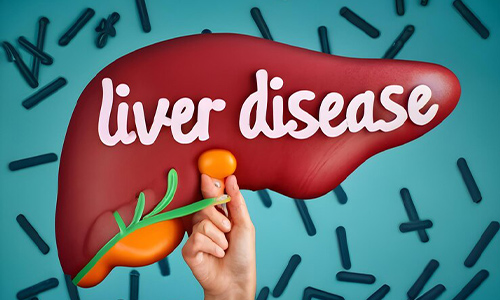
Signs & Symptoms of Liver Disease
Liver disease is a serious condition that can have a significant impact on your health and wellbeing. Understanding the signs and symptoms of liver disease is crucial for early detection and treatment. In this article, we will explore the various indicators that may signal the presence of liver disease. What are the common signs of liver disease? Jaundice: One of the most prominent signs of liver disease is jaundice, which causes your skin and eyes to turn yellow. This occurs when there is a buildup of bilirubin in the blood due to liver dysfunction. Fatigue: Feeling constantly tired or fatigued is another common symptom of liver disease. The liver plays a vital role in energy metabolism, so when it is not functioning properly, you may experience low energy levels. Abdominal pain: Liver disease can cause pain and discomfort in the upper right part of your abdomen. This pain may be dull or sharp and can worsen after eating fatty foods. Swelling: Liver disease can lead to the accumulation of fluid in the abdomen, known as ascites, or in the legs, called edema. This swelling is due to decreased liver function and increased pressure in the blood vessels. How does liver disease affect your overall health? Liver disease can have a profound impact on your overall health and wellbeing. A malfunctioning liver can lead to various complications, including: Impaired digestion: The liver produces bile, which helps break down fats in the digestive process. When the liver is not functioning correctly, it can lead to digestive issues such as nausea, bloating, and indigestion. Toxin buildup: The liver plays a crucial role in detoxifying the body and removing harmful substances from the bloodstream. When the liver is compromised, toxins can accumulate in the body and cause further damage. Blood clotting problems: The liver produces proteins necessary for clotting blood. In liver disease, this process can be disrupted, leading to excessive bleeding or bruising. Nutrient deficiencies: A damaged liver may not be able to effectively metabolize nutrients, leading to deficiencies in essential vitamins and minerals. Can liver disease be prevented? While some risk factors for liver disease, such as genetics or family history, cannot be controlled, there are steps you can take to reduce your risk and maintain a healthy liver: Limit alcohol consumption: Excessive alcohol consumption is a leading cause of liver disease. If you drink alcohol, do so in moderation and avoid binge drinking. Maintain a healthy weight: Obesity and related conditions such as diabetes are risk factors for liver disease. Eat a balanced diet and exercise regularly to maintain a healthy weight. Get vaccinated: Hepatitis B and C are common causes of liver disease. Make sure to get vaccinated if you are at risk of exposure to these viruses. Practice safe sex: Hepatitis can be transmitted through unprotected sex. Use protection to reduce your risk of contracting hepatitis viruses. In conclusion, being aware of the signs and symptoms of liver disease is essential for early detection and treatment. By recognizing these indicators and taking proactive steps to maintain a healthy liver, you can reduce your risk of developing liver disease and protect your overall health and wellbeing. Don’t ignore any alarming symptoms and consult with a healthcare professional if you suspect liver-related issues.

Top Gastroenterology Treatments for Digestive Health
Are you struggling with digestive issues and looking for effective treatments to improve your digestive health? Gastroenterology offers a wide range of treatments aimed at addressing various digestive problems and improving overall gut health. In this article, we will explore some of the top gastroenterology treatments that can help you achieve better digestive health. Gastroenterology Treatments: Endoscopy: Endoscopy is a common diagnostic and treatment procedure used in gastroenterology. It involves inserting a flexible tube with a camera at the end into the digestive tract to visually inspect the lining of the esophagus, stomach, and small intestine. This procedure can help identify issues such as ulcers, inflammation, and even early signs of cancer. Colonoscopy: Colonoscopy is another important procedure in gastroenterology that is used to examine the large intestine and rectum. It can help detect conditions such as colorectal cancer, polyps, and inflammatory bowel disease. During a colonoscopy, the gastroenterologist can also remove polyps and take tissue samples for further analysis. Medications: Gastroenterologists may prescribe medications to manage various digestive conditions such as acid reflux, irritable bowel syndrome, Crohn’s disease, and ulcerative colitis. These medications can help reduce inflammation, improve digestion, and alleviate symptoms such as abdominal pain, bloating, and diarrhea. Dietary Changes: Making dietary changes is an essential part of improving digestive health. Gastroenterologists may recommend specific diets such as low FODMAP, gluten-free, or low-fat diets depending on the underlying condition. They can also provide guidance on avoiding trigger foods that may worsen digestive symptoms. Lifestyle Modifications: In addition to medications and dietary changes, gastroenterologists may recommend lifestyle modifications to promote digestive health. This may include regular exercise, stress management techniques, adequate sleep, and avoiding smoking and excessive alcohol consumption. These lifestyle changes can help improve overall gut function and reduce the risk of digestive disorders. Surgical Interventions: In some cases, surgery may be necessary to address certain digestive conditions such as gallstones, hernias, or severe cases of inflammatory bowel disease. Gastroenterologists work closely with surgeons to determine the most appropriate surgical intervention based on the individual’s needs and condition. Probiotics: Probiotics are beneficial bacteria that can help maintain a healthy balance of gut flora and improve digestion. Gastroenterologists may recommend probiotic supplements or probiotic-rich foods such as yogurt, sauerkraut, and kefir to support digestive health and boost immunity. Behavioral Therapy: Behavioral therapy, such as cognitive-behavioral therapy (CBT), can be helpful in managing stress-related digestive disorders such as irritable bowel syndrome (IBS). Gastroenterologists may work with mental health professionals to address the psychological aspects of gastrointestinal conditions and provide comprehensive care to patients. Achieving optimal digestive health requires a combination of medical interventions, lifestyle modifications, and dietary changes. By working closely with a gastroenterologist, you can receive personalized treatment plans tailored to your unique needs and goals. Don’t hesitate to consult a gastroenterology expert if you are experiencing persistent digestive issues or seeking preventive care for gastrointestinal health. In conclusion, gastroenterology offers a wide range of treatments to address various digestive issues and improve overall gut health. By incorporating a combination of medical interventions, dietary changes, lifestyle modifications, and behavioral therapy, you can achieve optimal digestive health and enhance your quality of life. Consult a gastroenterology expert to receive personalized care and guidance on managing your digestive concerns effectively.

Preventing Liver Disease: Tips and Strategies Shared by Hepatologists
Liver plays a crucial role in keeping us healthy, performing various functions such as filtering blood, metabolizing nutrients, and detoxifying harmful substances. Liver diseases can significantly impact our overall well-being, making prevention strategies paramount. Hepatologists, specialists in liver health, offer valuable insights and recommendations to safeguard this vital organ. In this comprehensive guide, we delve into expert advice and actionable tips for preventing liver disease effectively. Understanding Liver Disease To begin, it’s essential to grasp the types and causes of liver disease. Hepatologists categorize liver diseases into various types, including viral hepatitis, fatty liver disease, alcoholic liver disease, and autoimmune liver diseases. Viral hepatitis, caused by hepatitis viruses A, B, C, D, and E, can lead to acute or chronic liver inflammation. Fatty liver disease, often linked to obesity and unhealthy diets, results in the accumulation of fat in liver cells. Alcoholic liver disease stems from excessive alcohol consumption, while autoimmune liver diseases occur when the immune system mistakenly attacks liver cells. Lifestyle Modifications for Liver Health Hepatologists emphasize the significance of lifestyle modifications in preventing liver disease. Adopting a balanced diet rich in fruits, vegetables, whole grains, and lean proteins promotes liver health. Reduce intake of processed foods, sugary beverages, and saturated fats to prevent fatty liver disease. Regular exercise aids in weight management, reduces liver fat, and improves overall metabolic functions. Avoiding excessive alcohol consumption and quitting smoking are pivotal steps in preserving liver health. Vaccination and Screening Programs Viral hepatitis, particularly hepatitis B and C, can lead to chronic liver disease if left untreated. Hepatologists stress the importance of vaccination against hepatitis B to prevent infection. Additionally, screening programs for hepatitis C target early detection and intervention, minimizing the risk of complications such as liver cirrhosis and hepatocellular carcinoma. Routine check-ups and screenings are recommended for individuals at high risk of liver disease, including those with a family history or predisposing factors. Medication Safety and Awareness Hepatologists advise on medication safety to prevent drug-induced liver injury. Always follow prescribed dosages and avoid self-medicating, particularly with over-the-counter medications known to affect liver function. Consult healthcare professionals, including pharmacists and hepatologists, regarding medication interactions and potential liver-related side effects. Stay informed about the impact of medications on liver health, especially when managing chronic conditions. Managing Underlying Health Conditions Certain underlying health conditions, such as diabetes, obesity, and high cholesterol, can contribute to liver disease progression. Hepatologists recommend effective management of these conditions through lifestyle changes, medication adherence, and regular medical monitoring. Controlling blood sugar levels, maintaining a healthy weight, and optimizing lipid profiles are essential in reducing liver disease risk factors. Environmental and Occupational Safety Environmental toxins and occupational hazards can pose risks to liver health. Hepatologists advocate for environmental awareness and minimizing exposure to harmful substances such as industrial chemicals, pesticides, and pollutants. Occupational safety measures, including proper protective gear and adherence to safety protocols, are crucial in preventing occupational liver damage among workers in high-risk industries. Holistic Approaches to Liver Health In addition to conventional preventive measures, hepatologists highlight the value of holistic approaches to liver health. Stress management techniques such as meditation, yoga, and mindfulness promote overall well-being, reducing the impact of stress-related liver conditions. Incorporating nutritional supplements with hepatoprotective properties, such as milk thistle and turmeric, may offer additional support for liver function. Community Education and Support Community education initiatives play a vital role in raising awareness about liver disease prevention. Hepatologists collaborate with healthcare organizations, advocacy groups, and community leaders to disseminate educational resources and promote healthy lifestyle choices. Support groups provide emotional and social support for individuals living with liver conditions, fostering a sense of community and empowerment. Conclusion In conclusion, preventing liver disease requires a multifaceted approach encompassing lifestyle modifications, vaccination, medication safety, management of underlying health conditions, environmental awareness, holistic practices, and community engagement. By implementing the insights and strategies shared by hepatologists, individuals can proactively safeguard their liver health and reduce the burden of liver disease on a global scale. Stay informed, stay healthy, and prioritize your liver’s well-being for a vibrant and fulfilling life.

Tips for Maintaining a Healthy Digestive System, According to Gastroenterologists
Maintaining a healthy digestive system is essential for overall well-being and optimal functioning of the body. Gastroenterologists, experts in the field of digestive health, recommend several tips to ensure the health of your digestive system. Here are some key guidelines to follow to keep your gut happy and functioning properly. Eat a balanced diet: Consuming a well-balanced diet that is rich in fruits, vegetables, whole grains, lean proteins, and healthy fats is essential for good digestion. Avoiding processed foods, sugary snacks, and excessive amounts of red meat can help prevent digestive issues such as bloating, gas, and constipation. Stay hydrated: Drinking an adequate amount of water throughout the day is crucial for maintaining good digestive health. Water helps to keep the digestive system running smoothly and aids in the absorption of nutrients from food. Get regular exercise: Physical activity is not only important for overall health but also for digestion. Engaging in regular exercise helps to stimulate the muscles of the digestive tract, promoting the movement of food through the system and preventing constipation. Practice mindful eating: Eating mindfully, without distractions, allows you to tune into your body’s hunger and fullness cues. This can help prevent overeating and improve digestion by allowing your body to properly process and absorb nutrients from food. Manage stress: Chronic stress can have a negative impact on digestion and can lead to issues such as irritable bowel syndrome (IBS) or indigestion. Finding healthy ways to manage stress, such as practicing yoga, meditation, or deep breathing exercises, can help improve digestive health. Limit alcohol and caffeine: Both alcohol and caffeine can irritate the digestive system and lead to problems such as acid reflux, heartburn, and diarrhea. Limiting your intake of these substances can help prevent digestive issues and promote a healthier gut. Take probiotics: Probiotics are live bacteria that are beneficial for gut health. They can help restore the balance of good bacteria in the gut and improve digestion. Incorporating probiotic-rich foods such as yogurt, kefir, and sauerkraut into your diet can help support a healthy digestive system. By following these tips from gastroenterologists, you can promote a healthy digestive system and improve your overall health and well-being. Remember to listen to your body, make healthy lifestyle choices, and consult with a medical professional if you experience persistent digestive issues. Your gut will thank you!