
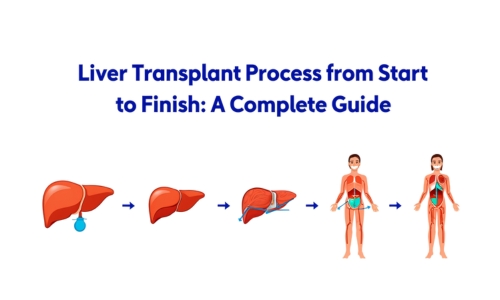
The liver transplant process is a complex medical journey that involves more than just the surgery itself. From early diagnosis and preparation to the transplant procedure and post-operative recovery, every stage plays a crucial role in ensuring success. This guide will help you understand each step and provide essential tips for long-term wellness. 1. Understanding When a Liver Transplant Is Needed The liver is essential for filtering toxins, aiding digestion, and supporting many body functions. When it becomes severely damaged or fails, a transplant may be the only treatment option. Common causes that may lead to a liver transplant include: Chronic liver disease Acute liver failure Hepatitis-related damage Certain inherited or metabolic disorders Recognizing these conditions early increases the chances of a successful transplant. 2. Pre-Transplant Evaluation Before being placed on a transplant list, patients go through a thorough assessment to ensure surgery is safe and appropriate. This may involve: Detailed blood tests to evaluate liver health and donor compatibility Imaging scans such as MRI or CT for structural assessment Heart and lung function testing to ensure surgical readiness Nutritional and mental health evaluations to support recovery These steps help determine the right timing and prepare both patient and medical team for the procedure. 3. Choosing a Skilled Medical Team The success of a transplant depends heavily on the expertise of the team performing it. This team often includes: Specialists in liver diseases Transplant surgeons Anesthesiologists Intensive care and recovery nurses Nutritionists and rehabilitation experts This collaborative approach ensures every stage of care is handled with precision. 4. The Surgical Procedure Liver transplants usually take between 6 and 12 hours. Key steps include: Administering anesthesia and preparing the patient Removing the damaged liver Placing the donor liver (from a living or deceased donor) Connecting blood vessels and bile ducts Closing the incision and moving the patient to intensive care The procedure requires advanced skill, strict infection control, and careful monitoring. 5. Recovery After Surgery Initial recovery often begins in the intensive care unit, followed by a hospital stay. Typical steps include: Continuous monitoring of liver function Medication to prevent rejection Gradual reintroduction of movement and exercise Dietary adjustments to support healing Patients continue to receive regular follow-up care to ensure the new liver is functioning well. 6. Long-Term Health After a Transplant Living well after a transplant means maintaining healthy habits: Eating a balanced diet Staying active with safe exercise Avoiding alcohol and harmful substances Attending all follow-up appointments Consistent care can help ensure the transplanted liver works effectively for many years. 7. Support and Resources for Patients Transplant recipients benefit from: Peer support groups Counseling services Educational resources on medication and lifestyle adjustments Having a strong support system makes a significant difference in recovery and long-term wellbeing. Conclusion The liver transplant process is a life-changing medical journey that goes far beyond surgery. From recognizing the need to preparing for the operation, navigating the procedure, and committing to long-term recovery, each stage plays a critical role in achieving the best outcome. With the guidance of an experienced medical team and dedication to post-surgery care, patients can enjoy renewed health and a brighter future. Frequently Asked Questions How long can a person live after a liver transplant?Many live for decades when they follow medical advice and maintain a healthy lifestyle. Is a living donor liver transplant safe?Yes, when performed in an experienced center, it’s considered safe for both donor and recipient. How long will I need to wait for a liver transplant?Waiting time depends on urgency, organ availability, and compatibility. What foods should I avoid after a transplant?Avoid raw seafood, undercooked meat, unpasteurized dairy, and high-sodium processed foods.

Liver Transplant: Procedure, Eligibility, Recovery, and Risks Explained
A liver transplant is one of the most complex yet life-saving medical procedures available today. It is often the final option for individuals with end-stage liver disease or acute liver failure when other treatments have failed. This comprehensive guide explores every stage of the liver transplant process — from initial evaluation and eligibility criteria to surgical procedure, post-transplant recovery, and long-term care — all guided by the expertise of a liver transplant physician. What Is a Liver Transplant? A liver transplant is a surgical procedure in which a diseased or failing liver is replaced with a healthy liver from a donor. The liver is a vital organ responsible for detoxification, protein synthesis, bile production, and metabolic regulation. When it fails, the consequences can be life-threatening. There are two main types of liver transplants: Deceased donor liver transplant: The liver is sourced from a person who has been declared brain-dead. Living donor liver transplant: A portion of the liver is taken from a healthy, living person. Both the donor’s and recipient’s livers regenerate over time. Eligibility Criteria for Liver Transplant Not everyone with liver disease qualifies for a transplant. A liver transplant physician performs a comprehensive evaluation to determine whether a patient is a suitable candidate. The evaluation typically involves: Medical Criteria: End-stage liver disease (cirrhosis, liver failure) Acute liver failure due to infection, toxins, or overdose Liver cancers that meet transplant criteria (e.g., hepatocellular carcinoma) Genetic liver disorders (e.g., Wilson’s disease, hemochromatosis) Autoimmune hepatitis Assessment Tools: MELD Score (Model for End-stage Liver Disease): Predicts the urgency of need based on lab values. Child-Pugh Score: Evaluates liver function and predicts survival. Non-Medical Factors: Absence of active alcohol or substance abuse Psychosocial readiness (support system, mental health) No significant heart, lung, or uncontrolled infections Evaluation Process Before Transplant Before being listed for a liver transplant, patients undergo a rigorous pre-transplant evaluation, including: Blood tests (liver function, kidney function, viral screening) Imaging studies (ultrasound, CT, MRI) Cardiopulmonary assessment (to rule out surgical risks) Psychological and nutritional evaluation Assessment by a multidisciplinary transplant team The goal is to ensure the patient is fit for surgery and capable of managing the post-transplant regimen. Liver Transplant Procedure: Step-by-Step 1. Preoperative Preparation: Once a donor liver becomes available or a living donor is identified, the patient is prepared for surgery. This includes fasting, anesthesia assessment, and pre-surgical clearance. 2. Surgery: The surgical procedure can take between 6 to 12 hours. The diseased liver is removed, and the donor liver is implanted and connected to the blood vessels and bile ducts. The new liver should begin functioning immediately. 3. Postoperative ICU Care: After surgery, the patient is transferred to the intensive care unit (ICU) for close monitoring. Key focuses include: Monitoring for bleeding Preventing infection Ensuring liver function and bile production Starting immunosuppressive therapy Living Donor vs Deceased Donor Liver Transplant Aspect Living Donor Deceased Donor Organ Source Healthy living individual Brain-dead individual Wait Time Shorter (scheduled) Variable (based on availability) Donor Risk Yes (surgical risks) No risk (organ already donated) Regeneration Yes, liver regrows in both N/A Outcomes Comparable or slightly better Good outcomes with timely care A liver transplant physician helps assess whether a living donor transplant is appropriate, considering medical and ethical factors. Recovery After Liver Transplant Recovery from a liver transplant is gradual and involves both physical healing and lifestyle adjustment. Immediate Postoperative Period (First 1–2 weeks): Hospital stay typically lasts 10–14 days Intensive care for the first few days Monitoring for signs of organ rejection or infection Starting immunosuppressive medications First 3 Months: Frequent blood tests to monitor liver function and medication levels Adjustment of immunosuppressants Avoiding infection through hygiene and limited social exposure Nutritional guidance and moderate physical activity Long-Term Recovery (3 months onward): Lifelong immunosuppressant use Annual screenings and check-ups Alcohol and tobacco must be avoided permanently Healthy lifestyle with balanced diet and weight control Immunosuppressive Therapy To prevent the immune system from rejecting the new liver, patients must take immunosuppressant medications for life. These drugs reduce immune activity but also increase susceptibility to infections. Common medications include: Tacrolimus Cyclosporine Prednisone Mycophenolate mofetil Regular monitoring is essential to maintain balance between rejection prevention and avoiding side effects like kidney damage, diabetes, or hypertension. Common Risks and Complications Although liver transplants offer excellent outcomes, complications can occur: Early Complications: Bleeding Bile duct leakage or blockage Primary non-function of the new liver Acute rejection Long-Term Complications: Chronic rejection Opportunistic infections Side effects from immunosuppressants Recurrence of liver disease Patients should report signs such as fever, jaundice, fatigue, or abdominal pain to their transplant physician immediately. Cost of Liver Transplant The cost of a liver transplant varies based on the hospital, facilities, and individual case complexity. It generally includes: Pre-transplant evaluation and testing Surgery and hospitalization Immunosuppressive medications Post-transplant follow-up and rehabilitation In many regions, financial aid programs, government schemes, and insurance can help cover expenses. It is important to discuss cost structure with the transplant coordinator beforehand. Role of a Liver Transplant Physician A liver transplant physician is involved throughout the transplant journey — from initial consultation and evaluation to long-term follow-up. Their role includes: Assessing eligibility and coordinating the transplant workup Managing medical conditions related to liver disease Monitoring and managing immunosuppression Detecting early signs of complications Guiding patients on long-term care, diet, and medications A strong patient-physician relationship is critical to achieving the best possible outcomes. Frequently Asked Questions How long is the recovery after liver transplant? Initial recovery takes 2–3 months. Full return to normal activities may take 6–12 months, depending on the individual. Can the liver regenerate after donation? Yes, the liver can regenerate. Both the donor and recipient can regrow functional liver tissue within a few months. Is rejection common after transplant? Rejection is possible but usually manageable with proper immunosuppressive therapy and regular monitoring. Can I live a normal life after liver transplant? Yes. Most recipients return to normal or near-normal life with medical support, healthy habits, and regular follow-ups. Conclusion A liver transplant offers a