
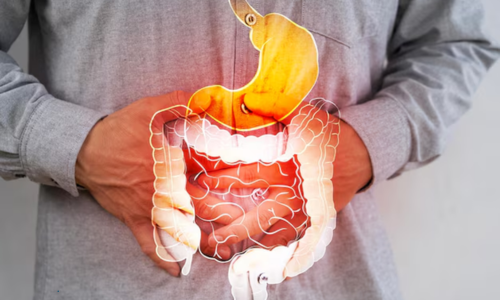
Gastrointestinal (GI) diseases are among the most common health issues affecting millions worldwide. The digestive system, which includes the esophagus, stomach, intestines, liver, pancreas, and gallbladder, is vital for breaking down food, absorbing nutrients, and removing waste. When this system is disrupted, it can lead to serious health complications. Understanding common gastrointestinal diseases, their symptoms, causes, and treatment options is essential for early detection, effective management, and improved quality of life.
This guide covers a wide range of GI disorders, explains why they occur, how they are diagnosed, and the treatment strategies available. Whether you are experiencing mild digestive discomfort or are at risk for chronic conditions, this comprehensive article will help you make informed decisions about your digestive health.
What Are Gastrointestinal Diseases?
Gastrointestinal diseases are conditions that affect the digestive system, interfering with its ability to function normally. They may involve:
-
Structural abnormalities like ulcers, polyps, or tumors
-
Functional disorders such as irritable bowel syndrome
-
Inflammatory conditions like Crohn’s disease or ulcerative colitis
-
Metabolic or systemic issues affecting the liver or pancreas
These diseases can lead to discomfort, impaired digestion, nutritional deficiencies, and, in severe cases, life-threatening complications. Early identification and intervention are crucial to prevent long-term damage.
Common Gastrointestinal Diseases
Below is a detailed look at the most common GI diseases, their causes, symptoms, and treatment options.
1. Gastroesophageal Reflux Disease (GERD)
Symptoms:
-
Frequent heartburn or burning sensation in the chest
-
Acid regurgitation into the throat or mouth
-
Difficulty swallowing (dysphagia)
-
Chronic cough or hoarseness
Causes:
-
Weak lower esophageal sphincter (LES)
-
Obesity or overweight
-
Consumption of fatty, spicy, or acidic foods
-
Smoking or excessive alcohol use
-
Pregnancy
Treatment Options:
-
Lifestyle changes: weight management, small frequent meals, avoid triggers
-
Medications: antacids, H2 blockers, proton pump inhibitors (PPIs)
-
Surgery: Nissen fundoplication in severe or refractory cases
GERD can increase the risk of Barrett’s esophagus if left untreated, highlighting the importance of early intervention.
2. Irritable Bowel Syndrome (IBS)
Symptoms:
-
Abdominal pain and cramping
-
Bloating and gas
-
Diarrhea, constipation, or alternating stool patterns
-
Mucus in stool
Causes:
-
Abnormal gut motility
-
Gut-brain axis dysfunction (stress or anxiety)
-
Food intolerances (e.g., lactose, gluten)
-
Imbalance in gut microbiota
Treatment Options:
-
Dietary modifications: low FODMAP diet, fiber supplements
-
Medications: antispasmodics, laxatives, anti-diarrheal drugs
-
Stress management: cognitive behavioral therapy (CBT), relaxation techniques
IBS is a chronic functional disorder; while it cannot be cured, symptoms can be effectively managed with proper care.
3. Peptic Ulcers
Symptoms:
-
Burning or gnawing stomach pain
-
Nausea, vomiting, or loss of appetite
-
Weight loss
-
Bloating and burping
Causes:
-
Infection with Helicobacter pylori (H. pylori)
-
Long-term use of nonsteroidal anti-inflammatory drugs (NSAIDs)
-
Smoking, alcohol, or stress
Treatment Options:
-
Antibiotic therapy for H. pylori
-
Proton pump inhibitors to reduce stomach acid
-
Lifestyle modifications (avoid NSAIDs, alcohol, and smoking)
Peptic ulcers can lead to complications like bleeding or perforation if untreated.
4. Inflammatory Bowel Disease (IBD)
IBD includes Crohn’s disease and ulcerative colitis, chronic inflammatory conditions of the digestive tract.
Symptoms:
-
Persistent diarrhea, sometimes with blood
-
Abdominal pain and cramping
-
Fatigue and weight loss
-
Fever in severe cases
Causes:
-
Autoimmune dysfunction
-
Genetic predisposition
-
Environmental triggers, such as diet or infections
Treatment Options:
-
Anti-inflammatory medications (corticosteroids, aminosalicylates)
-
Immunosuppressants and biologics
-
Surgery for severe or resistant disease
IBD requires long-term monitoring to prevent complications like strictures, fistulas, and malnutrition.
5. Gallstones (Cholelithiasis)
Symptoms:
-
Sudden, severe pain in the upper right abdomen
-
Nausea and vomiting
-
Pain after fatty meals
-
Jaundice if bile ducts are blocked
Causes:
-
Excess cholesterol in bile
-
Imbalance of bile salts
-
Obesity or rapid weight loss
-
Pregnancy
Treatment Options:
-
Surgical removal of gallbladder (cholecystectomy)
-
Pain management and dietary modifications
-
Non-surgical treatments in select cases (medications to dissolve stones)
Gallstones are common in adults and can cause serious complications like pancreatitis if untreated.
6. Liver Diseases
Symptoms:
-
Fatigue and weakness
-
Jaundice (yellowing of eyes and skin)
-
Abdominal swelling (ascites)
-
Dark urine
Causes:
-
Viral hepatitis (A, B, or C)
-
Alcohol-related liver disease
-
Non-alcoholic fatty liver disease (NAFLD)
-
Autoimmune liver disorders
Treatment Options:
-
Antiviral medications for hepatitis
-
Lifestyle and dietary modifications for fatty liver
-
Liver transplant in end-stage liver disease
Liver health is essential for metabolism, detoxification, and nutrient storage.
7. Pancreatitis
Symptoms:
-
Upper abdominal pain radiating to the back
-
Nausea and vomiting
-
Fever and rapid pulse
-
Tender abdomen
Causes:
-
Gallstones blocking the bile duct
-
Chronic alcohol consumption
-
Certain medications and infections
Treatment Options:
-
Hospitalization and IV fluids
-
Pain management
-
Surgery or endoscopic procedures to remove gallstones
-
Lifestyle changes for prevention
Acute pancreatitis can be life-threatening, whereas chronic pancreatitis may require ongoing management.
8. Celiac Disease
Symptoms:
-
Diarrhea or constipation
-
Bloating and gas
-
Fatigue and anemia
-
Weight loss and delayed growth in children
Causes:
-
Autoimmune reaction to gluten (wheat, barley, rye)
-
Genetic predisposition
Treatment Options:
-
Strict gluten-free diet
-
Nutritional supplements for deficiencies
-
Regular monitoring for complications
Celiac disease is increasingly diagnosed worldwide due to better awareness and testing.
Tips for Maintaining Digestive Health
Maintaining gastrointestinal health is vital for overall wellbeing. Key strategies include:
-
Eating a high-fiber diet rich in fruits, vegetables, and whole grains
-
Staying hydrated with sufficient water intake
-
Limiting alcohol, caffeine, and spicy or processed foods
-
Engaging in regular physical activity
-
Managing stress through meditation, yoga, or counseling
-
Avoiding smoking
-
Seeking timely medical attention for persistent symptoms
Frequently Asked Questions
1. What are the most common gastrointestinal diseases?
GERD, IBS, peptic ulcers, IBD, gallstones, liver disease, pancreatitis, and celiac disease are among the most common.
2. How do I know when to see a gastroenterologist?
Seek medical care for persistent abdominal pain, bloating, diarrhea, constipation, blood in stool, jaundice, or unexplained weight loss.
3. Can lifestyle changes prevent gastrointestinal diseases?
Yes. A fiber-rich diet, regular exercise, hydration, avoiding alcohol and smoking, and stress management can reduce risk.
4. Are gastrointestinal diseases hereditary?
Some, like IBD and celiac disease, have genetic predispositions. Lifestyle and environmental factors also play a major role.
5. What treatments are available for GI diseases?
Treatment options include dietary adjustments, medications, endoscopic procedures, and surgery depending on the condition.
6. How quickly should I seek treatment for GI symptoms?
Urgent attention is needed for severe pain, persistent vomiting, blood in stool, jaundice, or unexplained weight loss.
7. How are gastrointestinal diseases diagnosed?
Diagnosis may involve blood tests, stool tests, endoscopy, colonoscopy, imaging (ultrasound, CT, MRI), and biopsy in select cases.