
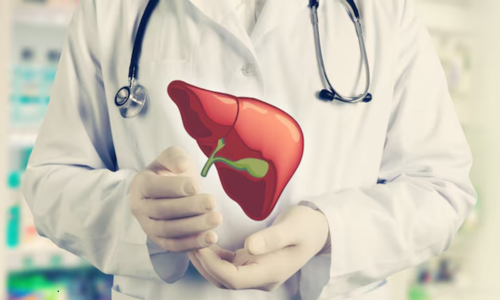
What Does a Hepatologist Do and When Should You Visit One? This is a question many people start asking when they experience symptoms like fatigue, indigestion, abdominal discomfort, or elevated liver enzymes on a routine health check. Because liver diseases often remain silent until advanced stages, understanding when to consult a hepatologist is essential. In Kochi, access to specialised liver care from experts like Dr. Harikumar R. Nair helps patients receive timely diagnosis and personalised treatment.
Hepatology is a specialised branch of medicine focused on the liver, gallbladder, pancreas, and biliary system. These organs are central to metabolism, detoxification, digestion, and nutrient absorption. When liver function is affected, the entire body begins to feel the impact. This detailed guide explains what hepatologists do, how liver conditions are diagnosed, and the warning signs that indicate it is time to schedule a consultation.
What Exactly Does a Hepatologist Do?
A hepatologist is a medical specialist dedicated to diagnosing and treating liver-related diseases. While gastroenterologists primarily address digestive system disorders, hepatologists focus exclusively on liver health and related organs. Their training equips them to identify early-stage liver issues, manage complex conditions, and guide patients through long-term treatment plans.
Here are the core responsibilities of a hepatologist:
1. Evaluating Liver Function
The liver filters toxins, processes nutrients, regulates energy, and supports digestion. A hepatologist assesses how well the liver is performing these tasks using blood tests, imaging, and physical examinations.
2. Diagnosing Liver Diseases
A hepatologist is trained to detect conditions such as fatty liver disease, viral hepatitis, autoimmune hepatitis, cirrhosis, genetic liver disorders, and biliary tract diseases. Early detection helps prevent severe complications.
3. Managing Chronic Liver Conditions
Diseases like hepatitis B, hepatitis C, NAFLD, and alcohol-related liver disease often require long-term monitoring. Hepatologists create personalised care plans focusing on medication, lifestyle modifications, and regular follow-ups.
4. Treating Liver Failure and Complex Disorders
In advanced cases, hepatologists assess the severity of liver damage, manage symptoms, and guide patients through pre- and post-liver transplant evaluations.
5. Performing or Recommending Specialised Tests
These include:
-
Liver ultrasound
-
FibroScan
-
CT or MRI of the liver
-
Liver biopsy
-
Endoscopic procedures
6. Offering Lifestyle and Nutritional Guidance
Because diet, alcohol, weight, and metabolic health directly impact the liver, hepatologists provide structured lifestyle recommendations to prevent disease progression.
In Kochi, Dr. Harikumar R. Nair combines clinical expertise with patient-focused care to deliver comprehensive hepatology services.
When Should You See a Hepatologist?
Liver diseases often develop quietly. By the time symptoms appear, the condition may already be progressing. Understanding the early warning signs can help you take timely action.
Below are the major symptoms that require a hepatology consultation.
1. Persistent Fatigue
Constant tiredness or low energy can indicate metabolic stress on the liver. When the liver struggles, the body feels drained.
2. Discomfort or Pain in the Upper Right Abdomen
The liver is located on the upper right side of the abdomen. Pain, heaviness, or tightness in this region may signal inflammation or structural changes.
3. Yellowing of Skin or Eyes (Jaundice)
Jaundice is one of the clearest signs of liver malfunction. It results from the buildup of bilirubin in the bloodstream.
4. Unexplained Weight Loss
If you begin losing weight without changes in diet or lifestyle, a hepatologist should evaluate whether liver function is compromised.
5. Dark Urine or Pale Stools
These changes may suggest issues with bile production or flow, which require specialist evaluation.
6. Swelling in the Abdomen or Legs
Fluid buildup in the abdomen (ascites) or swelling in the legs indicates possible liver damage or portal hypertension.
7. Persistent Itching
When the liver cannot properly filter toxins, it may cause constant itching.
8. Digestive Issues
Nausea, indigestion, vomiting, or loss of appetite may be associated with hepatitis or fatty liver disease.
9. Elevated Liver Enzymes in a Blood Test
High levels of AST, ALT, GGT, or bilirubin require further investigation by a hepatologist.
If you experience any of these symptoms, consulting Dr. Harikumar R. Nair in Kochi can help ensure accurate diagnosis and timely treatment.
What to Expect During a Hepatology Consultation
Many people hesitate to visit specialists because they are unsure of what to expect. A consultation with a hepatologist is a structured process that aims to understand your health concerns and identify the underlying cause.
Here is what typically happens:
1. Detailed Medical and Lifestyle History
The hepatologist will ask about your:
-
Symptoms
-
Daily routine
-
Diet
-
Alcohol intake
-
Medications
-
Family history
This helps identify risk factors for liver disease.
2. Physical Examination
The doctor checks for signs such as jaundice, tenderness, swelling, rashes, or other indicators of liver stress.
3. Liver Function Tests
A blood test evaluates enzyme levels, bilirubin, proteins, and inflammation markers.
4. Imaging Tests
Depending on your symptoms, imaging may include:
-
Ultrasound
-
FibroScan to assess liver stiffness
-
CT or MRI for detailed visualisation
5. Discussion of Diagnosis and Treatment Plan
Based on the results, the hepatologist explains the condition, potential complications, and management steps.
6. Lifestyle Guidance
You may receive personalised dietary advice, recommendations for exercise, alcohol restriction guidelines, and tips for improving metabolic health.
Common Liver Conditions Managed by Hepatologists
A hepatologist treats a wide range of liver and biliary disorders. Some of the most common include:
-
Non-alcoholic fatty liver disease (NAFLD)
-
Non-alcoholic steatohepatitis (NASH)
-
Alcohol-related liver disease
-
Hepatitis A, B, and C
-
Autoimmune hepatitis
-
Liver fibrosis
-
Cirrhosis
-
Genetic liver disorders
-
Liver tumors and cysts
-
Biliary obstruction
-
Wilson’s disease
-
Hemochromatosis
Each condition requires a different diagnostic and therapeutic approach, highlighting the importance of specialist care.
Importance of Early Diagnosis
The liver is capable of regeneration, but only when damage is detected early. Many conditions, especially fatty liver disease, are reversible with lifestyle changes if managed in time. Delayed diagnosis, however, can lead to complications such as:
-
Internal bleeding
-
Severe infections
-
Liver failure
-
Fluid accumulation
-
Confusion due to toxin buildup
-
The need for liver transplantation
This is why early consultation with a hepatologist is essential for anyone at risk.
Hepatology Care in Kochi with Dr. Harikumar R. Nair
Kochi is a well-established medical hub in Kerala, known for its advanced healthcare facilities. Dr. Harikumar R. Nair, a leading gastroenterologist and hepatologist in Kochi, offers comprehensive liver evaluation, accurate diagnosis, and personalised treatment plans.
His approach combines clinical expertise with modern diagnostic tools, ensuring patients receive clear answers and effective care.
Final Thoughts
Understanding what a hepatologist does and when you should visit one helps you protect your liver health and prevent long-term complications. Even mild symptoms or abnormal test results should not be ignored, as they may indicate underlying liver stress. If you are located in Kochi or nearby areas, consulting Dr. Harikumar R. Nair ensures precise diagnosis, expert medical guidance, and appropriate treatment.
FAQ (Answer Engine Optimization – Featured Snippet Style)
These are short, direct, Google-friendly answers.
1. What does a hepatologist do?
A hepatologist diagnoses and treats diseases of the liver, gallbladder, pancreas, and bile ducts using tests, imaging, and specialised treatment plans.
2. When should I visit a hepatologist?
You should visit a hepatologist if you have jaundice, persistent fatigue, abdominal discomfort, elevated liver enzymes, or symptoms of fatty liver or hepatitis.
3. How does a hepatologist diagnose liver disease?
Diagnosis involves blood tests, liver imaging such as ultrasound or FibroScan, and sometimes liver biopsy to assess inflammation, fibrosis, or structural damage.
4. What symptoms indicate a liver problem?
Symptoms include fatigue, jaundice, abdominal pain, dark urine, pale stools, itching, swelling, and unexplained weight loss.
5. Can liver disease be reversed?
Yes. Early-stage fatty liver, inflammation, and some forms of hepatitis can be reversed with lifestyle changes, medication, and regular monitoring by a hepatologist.
AIO FAQ (AI-Optimized Answers – Clear and Human-Readable)
Longer, helpful, patient-friendly responses.
6. What happens during a hepatology consultation?
The doctor reviews your symptoms, lifestyle, and medical history, checks for signs of liver stress, and may order blood tests or imaging such as ultrasound or FibroScan. Based on the results, you receive a personalised treatment or monitoring plan.
7. Is fatty liver a serious condition?
Fatty liver becomes serious when inflammation and scarring develop. Early fatty liver is reversible, but if untreated, it can progress to fibrosis, cirrhosis, or liver failure. A hepatologist helps prevent progression with timely treatment.
8. What are the first signs of liver damage?
Early signs include tiredness, discomfort in the upper right abdomen, digestion issues, mild jaundice, or elevated liver enzymes. These changes often appear before major symptoms develop.
9. How often should liver tests be done?
If you have diabetes, obesity, high cholesterol, fatty liver, or use medication affecting the liver, tests should be done every 6 to 12 months. A hepatologist guides the right screening frequency based on your risk level.
FAQ
10. Who is the best specialist for liver problems?
A hepatologist is the best specialist for diagnosing and treating liver diseases. In Kochi, many patients consult Dr. Harikumar R. Nair for expert liver care and comprehensive evaluation.
11. Do I need a hepatologist or a gastroenterologist?
You need a hepatologist if the issue is specifically related to liver function, fatty liver, hepatitis, jaundice, or liver enzyme abnormalities. Gastroenterologists treat general digestive conditions.
12. What test shows liver damage most accurately?
A combination of liver function tests, ultrasound, and FibroScan offers the most accurate assessment. FibroScan measures liver stiffness and detects fibrosis early.
13. Can lifestyle changes alone improve liver health?
Yes. Healthy diet, weight control, reduced alcohol intake, and regular exercise can significantly reduce liver fat and inflammation, especially when guided by a hepatologist.