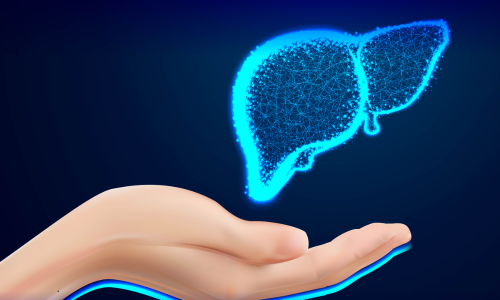
Can liver regenerate itself? This is a common question among patients concerned about liver health. The liver is one of the few organs in the human body capable of repairing and regrowing damaged tissue. Its remarkable regenerative ability allows it to recover from mild injuries, infections, or damage caused by diet, lifestyle, or certain diseases. However, this capacity has limits, especially in chronic or repeated injury. Understanding how liver regeneration works, what factors affect recovery, and steps patients can take to support their liver is essential for long-term wellness. The liver is responsible for vital functions such as detoxification, metabolism, and bile production. Its health directly impacts energy levels, digestion, and the body’s ability to fight infections. Protecting and supporting the liver is therefore a cornerstone of overall health. How the Liver Regenerates The liver’s regenerative capacity is unique among human organs. Even when a significant portion is damaged or surgically removed, the remaining healthy tissue can grow to restore full function. Key aspects of liver regeneration include: Cellular multiplication: Hepatocytes, the liver’s main functional cells, divide to replace damaged tissue. Compensatory growth: Surviving cells increase their activity to maintain liver performance. Regeneration timeline: Minor injuries can begin to repair within days. Complete recovery depends on the extent of damage and overall health. Limits of regeneration: Chronic injury, cirrhosis, or repeated insults can reduce the liver’s ability to heal fully. For example, studies have shown that after surgical removal of up to 70% of the liver (partial hepatectomy), healthy liver tissue can regrow to near its original size within 6–8 weeks in healthy adults. However, repeated damage from alcohol, fatty liver, or viral infections can overwhelm this capacity. Factors That Affect Liver Regeneration Several factors influence the liver’s ability to heal and regenerate: 1. Diet and Nutrition A nutrient-rich diet supports hepatocyte repair. Key nutrients include: Proteins: Essential for cell repair and regeneration. Antioxidants: Found in fruits and vegetables, they protect liver cells from oxidative damage. Vitamins and minerals: Vitamins A, D, E, K, and minerals like zinc support enzymatic liver functions. Diets high in sugar, refined carbs, trans fats, and processed foods can slow regeneration and increase fat accumulation, contributing to fatty liver disease. 2. Alcohol Consumption Chronic alcohol intake is one of the most common causes of liver damage. Alcohol metabolizes into toxins that kill liver cells faster than they can regenerate. Abstaining from alcohol improves the liver’s ability to recover, particularly in early-stage alcohol-induced liver disease. 3. Underlying Liver Conditions The presence of liver disease affects regeneration: Fatty liver disease (NAFLD/NASH): Early stages are reversible with lifestyle changes, but advanced stages reduce regenerative capacity. Hepatitis B and C: Viral infections can cause chronic inflammation, scarring, and impaired regeneration. Cirrhosis: Scarring limits hepatocyte proliferation, making regeneration difficult or impossible. 4. Age and Overall Health Younger, healthier individuals regenerate liver tissue more efficiently than older adults. Comorbidities like diabetes, obesity, or metabolic syndrome slow recovery and increase risk of long-term damage. 5. Medications and Environmental Toxins Certain medications, supplements, and chemical exposures can hinder liver regeneration. Patients should consult hepatologists before starting new drugs to avoid hepatotoxicity. Can Chronic Liver Damage Be Reversed? Liver regeneration works best in acute or mild injury scenarios. Chronic damage may be partially reversible depending on the disease stage. Fatty Liver Disease: Lifestyle interventions like exercise, weight management, and a healthy diet can reverse fat accumulation in early stages. Alcoholic Liver Disease: Stopping alcohol and receiving medical supervision can allow partial regeneration if scarring is minimal. Cirrhosis: Advanced scarring significantly limits regeneration. Liver transplantation may become necessary in severe cases. Early intervention, routine checkups, and medical guidance are critical in reversing damage and supporting regeneration. Warning Signs That Indicate Liver Stress Because liver damage often develops silently, recognizing early signs is important: Persistent fatigue and weakness Yellowing of skin or eyes (jaundice) Abdominal swelling or leg edema Dark urine or pale stools Loss of appetite, nausea, or unexplained weight loss Consulting a hepatologist promptly can prevent progression and improve treatment outcomes. Lifestyle Practices to Support Liver Regeneration Even with natural regenerative capacity, lifestyle plays a critical role in recovery: Balanced Nutrition: Emphasize leafy greens, vegetables, lean proteins, whole grains, and healthy fats. Hydration: Adequate water intake supports detoxification. Physical Activity: Regular exercise reduces liver fat and enhances metabolic health. Avoid Alcohol and Toxins: Limit alcohol consumption, avoid unnecessary medications, and minimize chemical exposures. Vaccination: Hepatitis A and B vaccines protect against viral infections that can hinder regeneration. Routine Health Checks: Liver function tests (LFTs) monitor enzyme levels, helping detect early signs of damage. Additional supportive practices include maintaining a healthy weight, managing diabetes, and avoiding high-sugar diets that contribute to fat accumulation. Advanced Diagnostics and Monitoring Modern hepatology provides multiple tools to assess liver health: Blood Tests: Measure liver enzymes, bilirubin, and proteins to gauge function. Imaging Studies: Ultrasound, CT, and MRI can detect fat accumulation, fibrosis, or structural changes. Liver Biopsy: In select cases, provides a detailed view of tissue health. Non-Invasive Fibrosis Testing: Advanced elastography measures scarring without surgery. These diagnostics help physicians monitor regeneration, identify early problems, and recommend individualized treatment plans. How Regeneration Differs Across Liver Conditions Acute Hepatitis: Rapid healing is possible, usually within weeks. Chronic Hepatitis: Ongoing inflammation slows regeneration; antiviral therapy can help. Fatty Liver Disease: Early intervention can reverse damage; late stages may require medical therapy. Cirrhosis: Regeneration is severely limited; supportive care and transplantation may be required. Understanding the stage of liver disease helps patients set realistic expectations and follow effective care plans. When to See a Hepatologist Patients should consult a specialist if: Symptoms like jaundice, swelling, or fatigue persist Liver function tests are abnormal Risk factors exist, including obesity, diabetes, viral hepatitis, or alcohol use New medications or supplements may affect the liver Specialists can guide lifestyle changes, monitor regeneration, and design personalized treatment strategies. Conclusion The liver’s ability to regenerate is extraordinary but not unlimited. Protecting liver health through diet, lifestyle, early intervention, and medical guidance is critical. Patients with liver
Early Warning Signs of Liver Disease — What Your Body Is Trying to Tell You
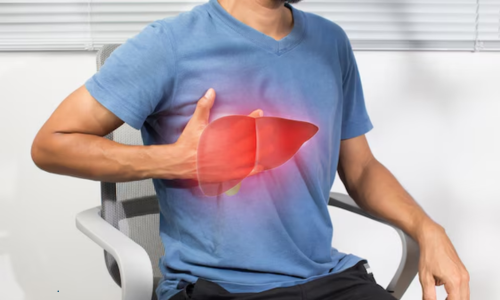
Why Recognizing Liver Disease Early Matters The early signs of liver disease often appear subtle, yet they hold critical clues about your body’s health. The liver is a vital organ responsible for detoxifying the blood, aiding digestion, and storing essential nutrients. When it’s under stress or damaged, the symptoms can be easily overlooked — until the condition becomes severe.Understanding these early warning signs can help you take timely action, seek medical attention, and prevent long-term complications. Why the Liver Is So Important to Your Health The liver is the body’s silent workhorse — performing over 500 essential functions.It filters toxins from the bloodstream, metabolizes nutrients, produces bile for digestion, and helps regulate hormones and cholesterol. When liver cells are damaged due to infection, fatty buildup, alcohol, or medications, these processes slow down, causing toxins to accumulate in the body.Without early detection, this can progress to chronic liver disease, fibrosis, or cirrhosis. Common Early Warning Signs of Liver Disease 1. Persistent Fatigue and Weakness One of the earliest and most common signs of liver trouble is ongoing fatigue. The liver plays a key role in converting food into energy. When it becomes inflamed or damaged, the body produces less glucose and stores fewer nutrients — leading to constant tiredness and weakness. 2. Yellowing of Skin and Eyes (Jaundice) Jaundice occurs when bilirubin, a yellow pigment produced from old red blood cells, builds up in the bloodstream. A healthy liver filters bilirubin effectively. When it fails to do so, the skin and eyes turn yellow — a clear indicator that your liver needs immediate attention. 3. Abdominal Pain or Swelling Discomfort or fullness in the upper right side of the abdomen is often linked to liver inflammation. In advanced stages, fluid may accumulate in the abdomen (ascites), causing visible swelling and pressure. 4. Dark Urine and Pale Stools Changes in urine and stool color are strong indicators of liver distress.Dark urine may suggest high bilirubin levels, while pale or clay-colored stools occur when bile flow is blocked — both are warning signs that the liver isn’t processing waste properly. 5. Loss of Appetite or Nausea A damaged liver can affect digestion, leading to reduced appetite, bloating, or nausea after meals. In many cases, people lose weight unintentionally as their body struggles to metabolize fats and proteins. 6. Itchy Skin and Easy Bruising When bile salts accumulate beneath the skin, it may cause intense itching. Additionally, the liver produces proteins that help with blood clotting — so when it’s impaired, you may notice bruising or bleeding more easily than usual. What Causes Liver Disease? Liver disease can stem from a range of underlying issues, and identifying the cause is crucial for treatment. Alcohol consumption: Long-term drinking can cause inflammation and scarring (alcoholic liver disease). Non-alcoholic fatty liver disease (NAFLD): Often linked to obesity, diabetes, or poor diet. Viral infections: Hepatitis A, B, and C can lead to chronic inflammation. Medications and toxins: Certain drugs and herbal supplements can damage liver tissue. Autoimmune disorders: The immune system may mistakenly attack liver cells. Knowing the cause allows hepatologists to tailor treatment — whether through medication, lifestyle changes, or further testing. When Should You See a Hepatologist? If you experience persistent fatigue, unexplained nausea, or yellowing of your eyes, it’s time to consult a hepatologist.Early intervention can prevent progression to cirrhosis or liver failure. A hepatologist specializes in diagnosing and managing liver-related disorders, offering advanced tests such as liver function analysis, ultrasound, or biopsy. For patients in Kerala, consulting a hepatologist in Kochi like Dr. Harikumar R. Nair can provide personalized evaluation and treatment based on your symptoms and medical history. How Hepatologists Diagnose Liver Problems Diagnosis begins with a detailed medical history, physical examination, and targeted testing. Blood tests: To evaluate enzymes, bilirubin, and protein levels. Ultrasound or MRI: To detect inflammation, fat buildup, or tumors. Liver biopsy: A small tissue sample may be taken to confirm fibrosis or cirrhosis.These diagnostic tools help determine the stage of liver disease and guide appropriate treatment options. Protecting Your Liver — Prevention Tips from Hepatology Experts Healthy lifestyle habits are key to preventing liver disease and supporting recovery. 1. Maintain a Balanced Diet Focus on fruits, vegetables, lean proteins, and whole grains. Limit processed foods, saturated fats, and sugar. 2. Exercise Regularly Physical activity improves metabolism and reduces fat buildup in the liver. 3. Avoid Alcohol and Unnecessary Medications Alcohol is one of the leading causes of liver damage. Use medications only under medical supervision. 4. Get Vaccinated for Hepatitis Vaccines for Hepatitis A and B provide essential protection. 5. Stay Hydrated and Manage Weight Proper hydration supports liver detoxification. Maintaining a healthy weight reduces the risk of non-alcoholic fatty liver disease. 6. Go for Routine Checkups If you have diabetes, high cholesterol, or obesity, schedule regular liver function tests to detect early changes. Complications of Ignoring Early Signs Ignoring the early warning signs of liver disease can lead to serious complications such as: Liver fibrosis and cirrhosis (scarring of liver tissue) Portal hypertension (increased pressure in liver blood vessels) Liver failure Increased risk of liver cancer Timely diagnosis and lifestyle modifications can significantly reduce these risks. Final Thoughts Your liver quietly supports nearly every system in your body — until it struggles. Recognizing the early warning signs of liver disease allows you to act before the damage becomes irreversible.If you notice unusual fatigue, yellowing skin, or persistent digestive issues, consult a hepatologist for professional evaluation. With early care, most liver problems can be managed effectively, helping you lead a healthy, active life. For expert liver care and diagnosis, visit Dr. Harikumar R. Nair, an experienced Hepatologist in Kochi, Kerala, specializing in liver diseases, hepatology, and transplant medicine. FAQs (For Featured Snippet & AEO Optimization) Q1: What are the earliest symptoms of liver disease?The most common early symptoms include fatigue, yellowing of the eyes or skin (jaundice), dark urine, and abdominal discomfort. Q2: Can liver disease be cured?Some liver conditions, like fatty liver or mild hepatitis, can